


Cherise Doyley, a professional birthing doula and mother of three from Jacksonville, arrived at the University of Florida Health Hospital in September 2024 after going into labor.
She told clinicians she hoped to deliver without surgery, but she said doctors strongly advised against it, citing the possibility of uterine rupture and recommending a C-section.
Doyley, who had previously had C-sections, said she was aware of the dangers yet still wanted the chance to attempt a vaginal birth first.
She said she had already discussed the numbers with her care team, accepting that the rupture risk was under two percent, and explained that earlier surgeries had caused significant complications for her.
As per PEOPLE, what happened next was hard to fathom.
By the 12th hour of labor, Doyley said a nurse rolled a tablet into her room.
She alleged the screen showed a live Zoom courtroom proceeding, with a judge present alongside doctors, hospital attorneys, and additional staff.
According to Doyley, she was not provided a lawyer.
“This was exactly when I found out that we were going to court,” Cherise said.
“I was so afraid, I was confused. I did not know what was going on or what to expect.”
She said she repeatedly asked for either legal counsel or a patient advocate during the hearing, but neither request was granted.
Instead, she said she was expected to speak on her own behalf from her hospital bed while in labor, as medical and legal representatives argued that the state had filed an emergency petition seeking authorization for a C-section in the interest of her unborn child.
Despite the circumstances, she said she tried to remain firm about her autonomy and her wishes for the birth.
“I still have rights as an American citizen and as a patient that I am allowed to decide what goes on with me and my body and my baby,” she said during the testimony.
“If it’s between them choosing whether I have to live or the baby has to live, I did tell them I want to live. I have other children out here in the world that need me.
“And that is my right because at the end of the day, if I die from a C-section, nobody on this call is going to take care of my children.”
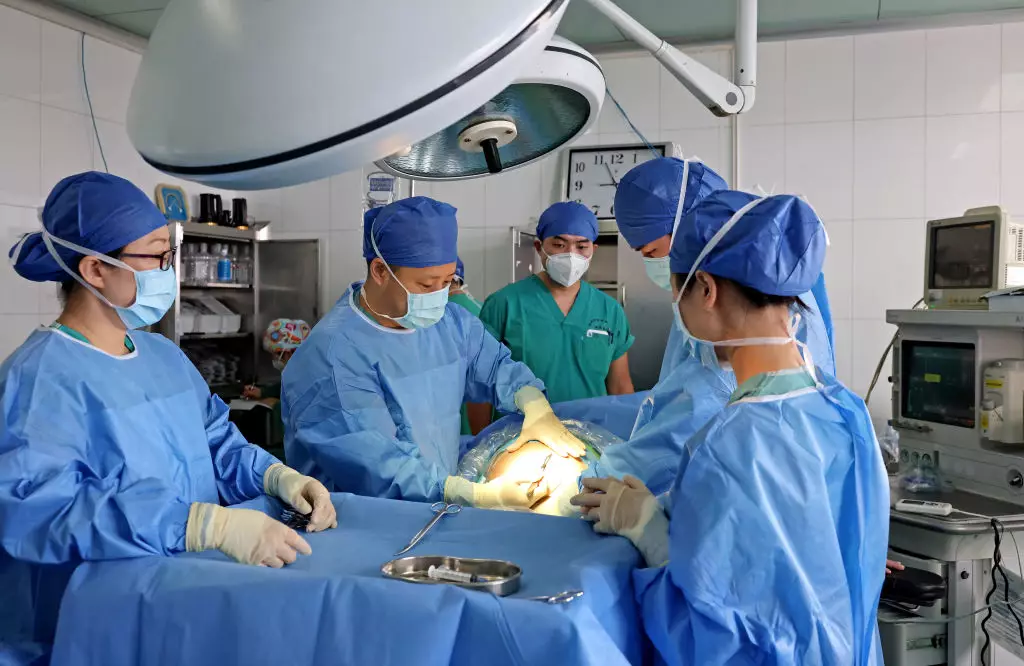
After around three hours, the judge stopped short of ordering an immediate C-section, but ruled that the hospital could proceed without her consent if doctors determined an emergency situation had developed.
Doctors later reported that the baby’s heart rate dropped overnight, and Doyley was taken for surgery.
Her daughter Arewa, now one, was delivered by C-section and brought to the Neonatal Intensive Care Unit (NICU).
Doyley said she continues to feel deeply distressed by the experience and believes her rights were overridden.
She said: “When we use the courts to basically strong-arm, bully someone into an unnecessary medical procedure against their will, it’s akin to torture in my eyes.”
More broadly, while competent patients typically have the legal ability to refuse medical treatment, pregnancy can complicate those boundaries.
In certain states, hospitals may petition a court when a pregnant patient declines a recommended intervention, arguing that the foetus has distinct interests that must be weighed — which Doyley says is what occurred in her case.
The University of Florida Health Hospital has been approached for comment.