

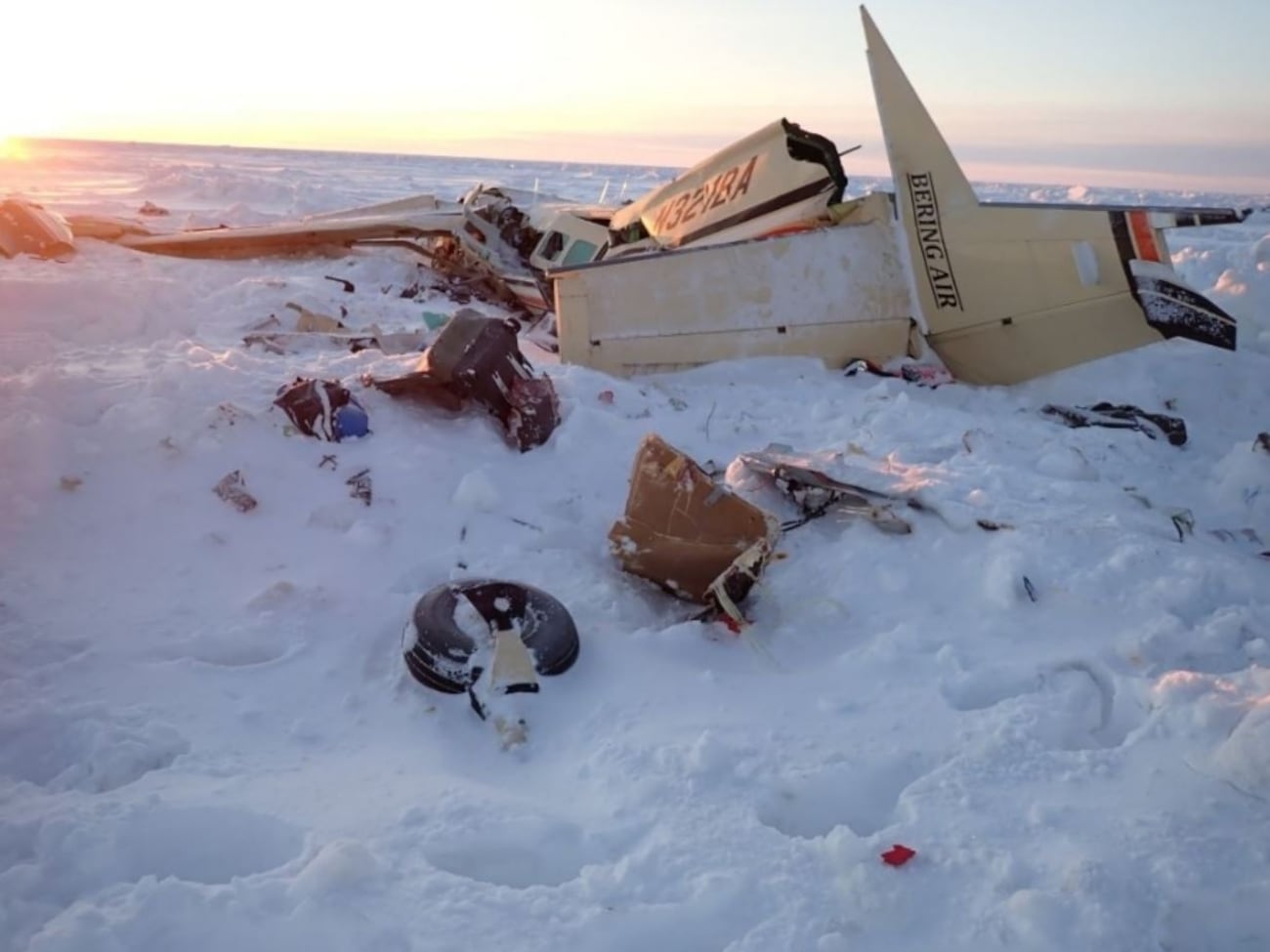
Federal investigators have released their final report on the crash of Bering Air Flight 445, concluding that a combination of severe in-flight icing and a heavily overloaded aircraft caused the disaster that killed all 10 people on board on February 6, 2025. The findings also highlight a troubling pattern of regulatory failures, including a history of overweight flights and inadequate oversight by the Federal Aviation Administration.
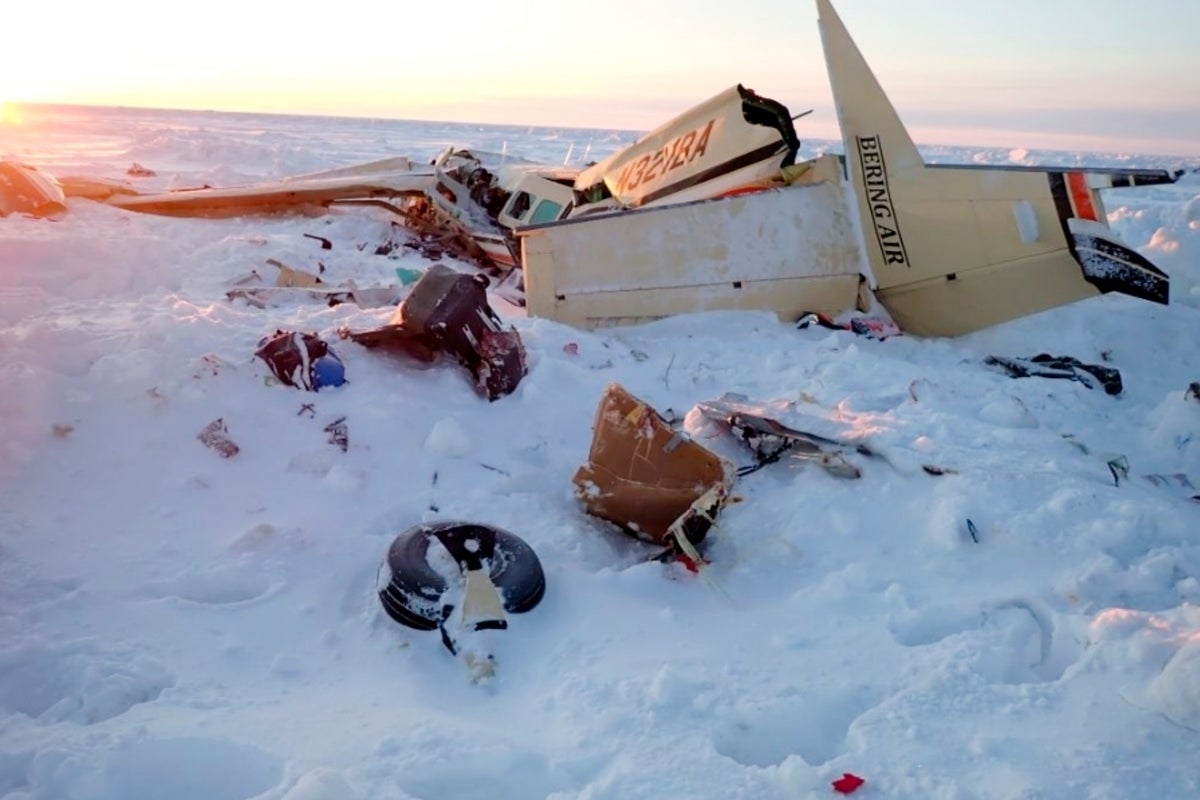
The National Transportation Safety Board’s final report reveals that the Cessna 208B Grand Caravan took off with a gross weight approximately 736 pounds over its maximum takeoff limit and 991 pounds over the maximum allowable limit for flight into known icing conditions. The aircraft departed Unalakleet at 2:37 p.m. Bound for Nome but lost radar contact just over 40 minutes later, crashing onto frozen sea ice approximately 34 miles southeast of its destination. The pilot, 34-year-old Chad Antill of Nome, and all nine passengers perished in the crash.
Among the investigation’s most significant findings is evidence that overweight flights were a recurring problem at Bering Air. When investigators reviewed 16 sample flights operated by the accident aircraft in the 10 days preceding the crash, they found that 44 percent of individual flight legs were executed over the maximum gross takeoff weight. This pattern extended beyond a single aircraft or day, suggesting systemic issues with the company’s operational practices and oversight procedures.

The NTSB determined that the aircraft’s extreme weight severely degraded its ability to climb or maintain speed in heavy ice. As the plane descended toward Nome, air traffic control informed the pilot that the runway would be closed for deicing maintenance and requested that he slow down slightly. During this descent, the aircraft flew into a localized band of severe freezing rain and freezing drizzle that quickly overwhelmed the airplane’s electronic TKS ice protection system. Another Bering Air pilot flying the same route reported encountering what she described as “incredibly spiky” ice accumulations behind protected surfaces estimated at 1 to 1.5 inches thick, which she characterized as the worst icing environment she had ever witnessed.
The pilot’s airspeed deteriorated rapidly during the descent. The autopilot disengaged at 99 knots, and within seconds the airspeed dropped to 70 knots, far below the 95-knot minimum handbook speed required in icing conditions. The plane’s final recorded speed was 52 knots, leading to an aerodynamic stall and rapid descent onto the frozen sea ice. In his final moments, Antill radioed a warning to a nearby aircraft, stating, “it’s icy over here.”
The investigation exposed significant gaps in how the regional airline managed weight and compliance with Federal Aviation Administration regulations. Despite the aircraft being equipped with a payload extender designed to increase maximum weight capacity, it still operated over permissible limits. The NTSB’s examination of company records suggests that weight management procedures either were not in place or were not being followed consistently.
Since the crash, Bering Air has implemented changes to address these operational failures. The airline overhauled its training program and flight dispatch procedures, introducing a mandatory flight release program to evaluate weather and runway conditions prior to takeoffs. The program limits maximum weight on flights where icing is possible, directly addressing the practices that preceded the February 2025 accident.
The tragedy occurred at a time when Alaska aviation faced particular scrutiny. Small commuter aircraft like the Cessna Caravan are lifelines for Alaska’s remote communities, where most of the state’s 200-plus villages are beyond the road system and accessible only by air or boat. Residents depend on these flights to reach medical appointments, conduct business, visit relatives, and attend school events, much as people in the continental United States rely on automobiles.
The NTSB’s investigation raises questions about the adequacy of FAA oversight of small regional carriers operating in Alaska’s challenging weather environment. The finding that a single aircraft operated overweight on nearly half of sampled flights suggests that monitoring systems either were insufficient or not being effectively enforced. Federal regulators will need to examine how oversight of regional carriers can be strengthened to prevent similar patterns from endangering future flights.
The families of those killed have filed lawsuits against Bering Air, with attorneys arguing that the flight should never have taken off given the known icing conditions and the aircraft’s excessive weight.