

Because film and television use the terms “psychopath” and “sociopath” side by side so often, many people assume they describe the same thing.
You might even have done it yourself — labeling an angry teacher a psychopath one moment and a sociopath the next. But the words don’t actually mean the same thing.
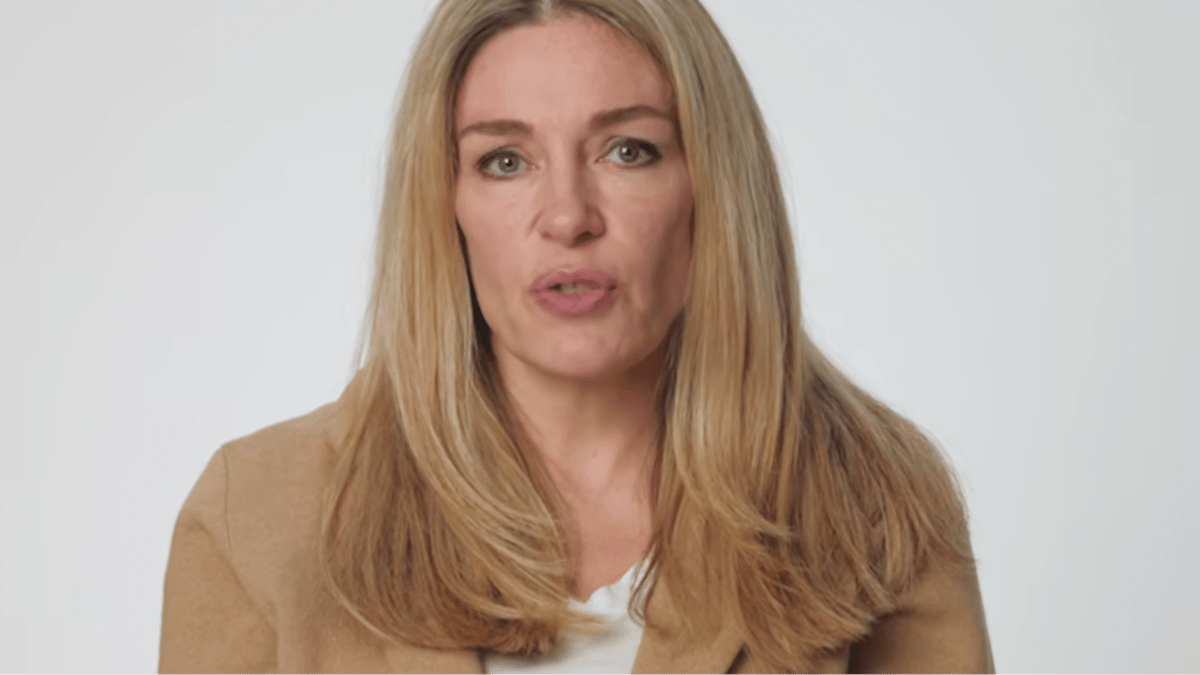
Professor Abigail Marsh says much of the mix-up comes down to how strongly popular culture has embraced one label compared with how science uses it.
Her main point is straightforward: psychopathy is a recognized clinical and scientific concept, while sociopathy isn’t an official diagnostic term.
“I get asked a lot, what’s the difference between the term psychopath and sociopath?” Marsh said. “The main difference is that the term psychopath or psychopathy is a scientific and clinical term, and the term sociopath or sociopathy is not.”
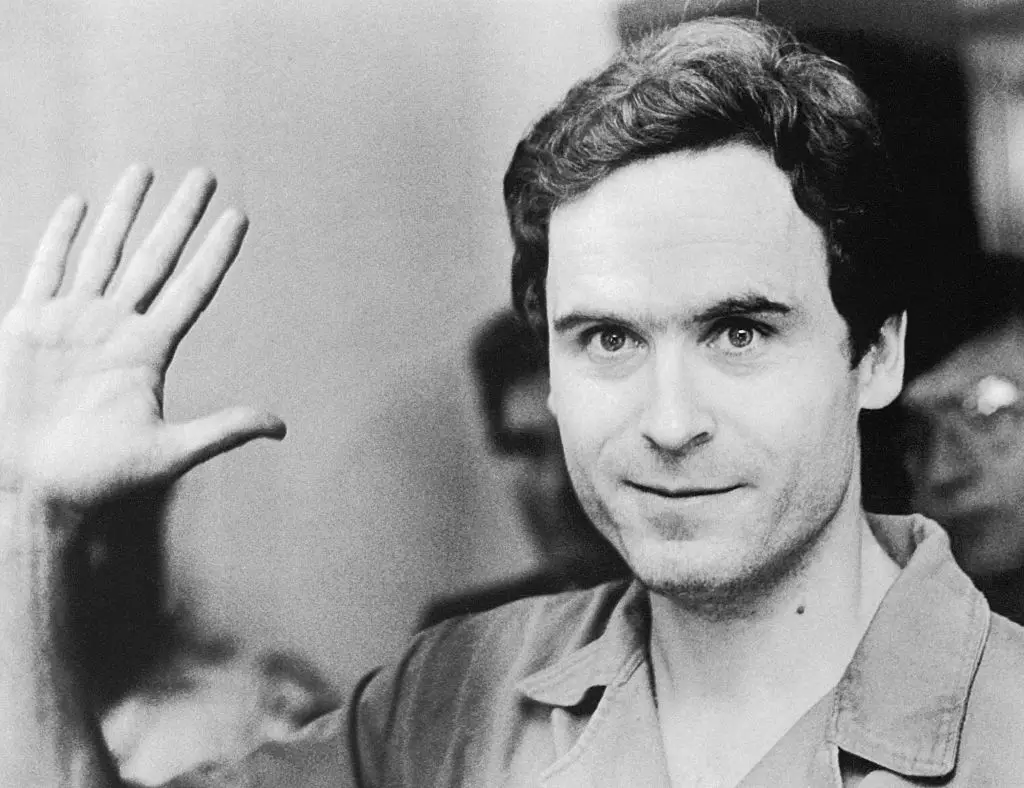
Put simply, psychopathy has an established place in clinical research and assessment, whereas sociopathy does not.
Marsh explained that “sociopath” has remained in everyday language largely because it resonates with people, even though there’s no universally accepted scientific definition for it — and no formal checklist of traits that determines who fits the label.
In practice, the word is often used as a casual stand-in for antisocial personality disorder, which is an official diagnosis listed in the DSM-5 (the guide clinicians use to diagnose mental health conditions).
Even so, she emphasized that antisocial personality disorder and psychopathy are not identical.
They overlap in some ways, but psychopathy is typically discussed in terms of emotional and personality features, while antisocial personality disorder focuses more on repeated outward behaviors — particularly ongoing rule-breaking or criminal acts.
That distinction also undercuts a common assumption: someone can have psychopathic traits without becoming a criminal.
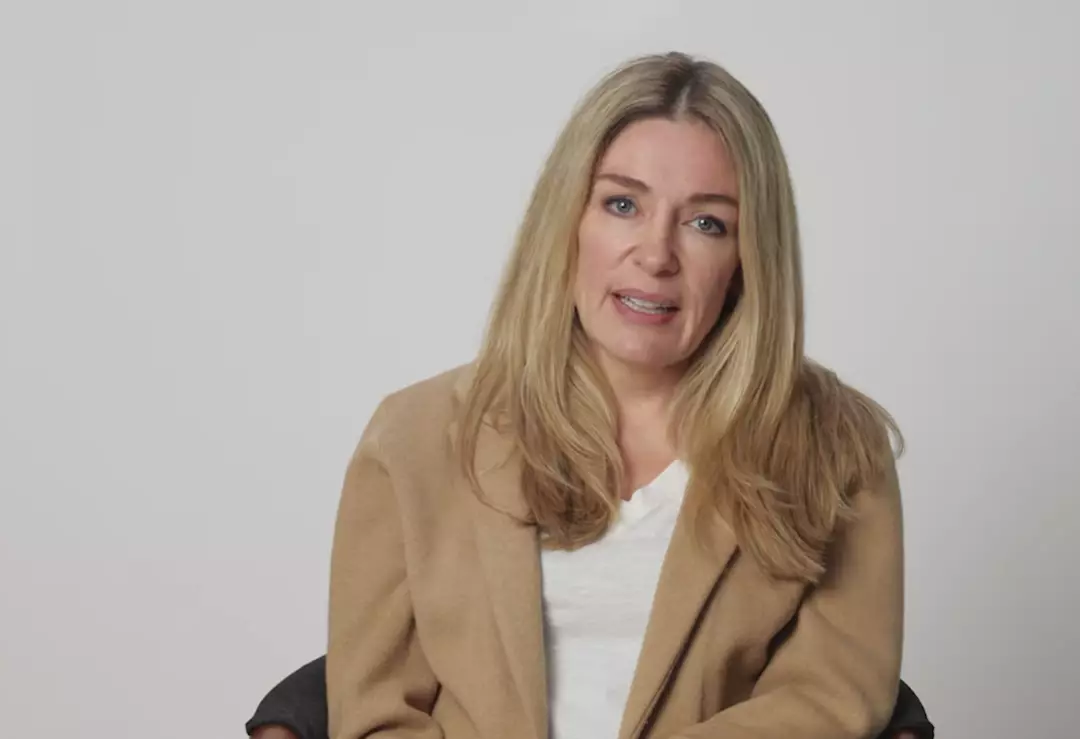
She explained: “People associate the term psychopath was the old idea of like the bad seed people who were just born bad, which seems I think needlessly pejorative. And for a while, the term sociopath caught on maybe 40 or 50 years ago because beliefs about the origins of antisocial personality traits changed.
“For a while people assumed that all antisocial personality traits were the result of social experiences. So you would develop these traits not because you were a bad seed, but because you would’ve been exposed to abuse or maltreatment or trauma.
“The term sociopath is sometimes used to signify that origin of anti-social behavior. Now we know it’s a lot more complicated.”
Marsh also challenged several other widespread beliefs — including the idea that psychopathy only occurs in men, inevitably results in violence, or is impossible to treat.
She noted that some individuals with psychopathy can respond to therapy and medication, particularly when they begin to understand how their choices and patterns affect both themselves and the people around them.
So while the two labels are treated as interchangeable in everyday conversation, Marsh’s takeaway is clear: psychopathy is the accepted scientific term, and sociopathy is largely a pop-culture label that persists without a formal clinical definition.