

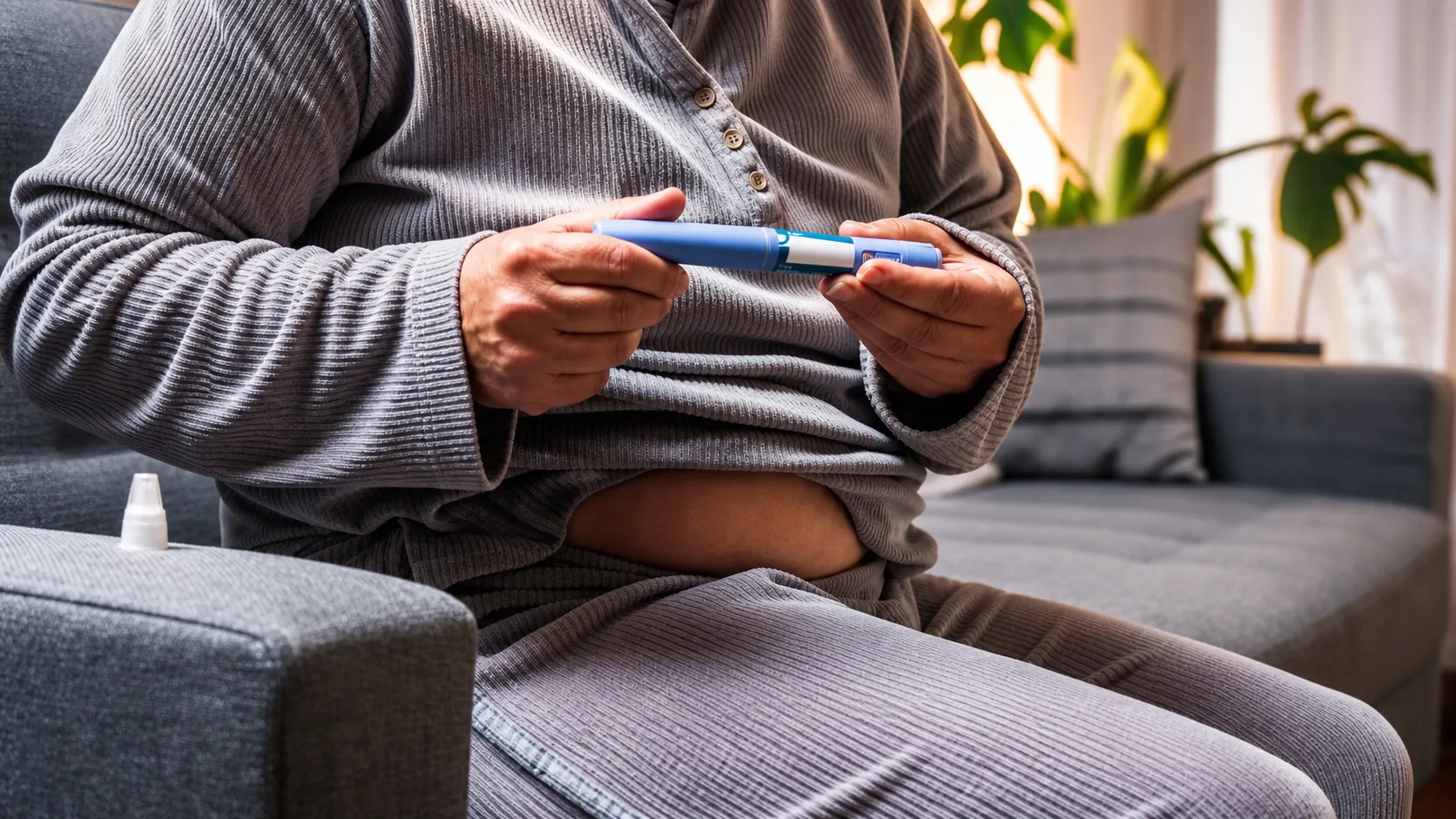
New research indicates that another medication may help tackle a common side effect linked to GLP-1 drugs.
GLP-1 treatments were first approved to help manage diabetes, but they also tend to make people feel full after eating smaller amounts of food.
Because of that effect, these medications have become widely used for weight loss when paired with changes to diet and exercise. Popular examples include semaglutide and tirzepatide, though regulators and doctors have repeatedly warned people to be cautious about using unapproved or compounded versions unless a patient’s medical needs cannot be met by an FDA-approved product.
A recent study published in Nature Medicine suggests that a drug called apitegromab may help reduce one of the downsides associated with GLP-1 use.
As with most medicines, GLP-1 drugs can come with side effects, and one of the better-known terms people use is the so-called ‘Ozempic butt’.
That issue is not caused directly by the medication itself. Instead, it is associated with rapid weight loss, which can sometimes include a reduction in muscle in the buttocks.
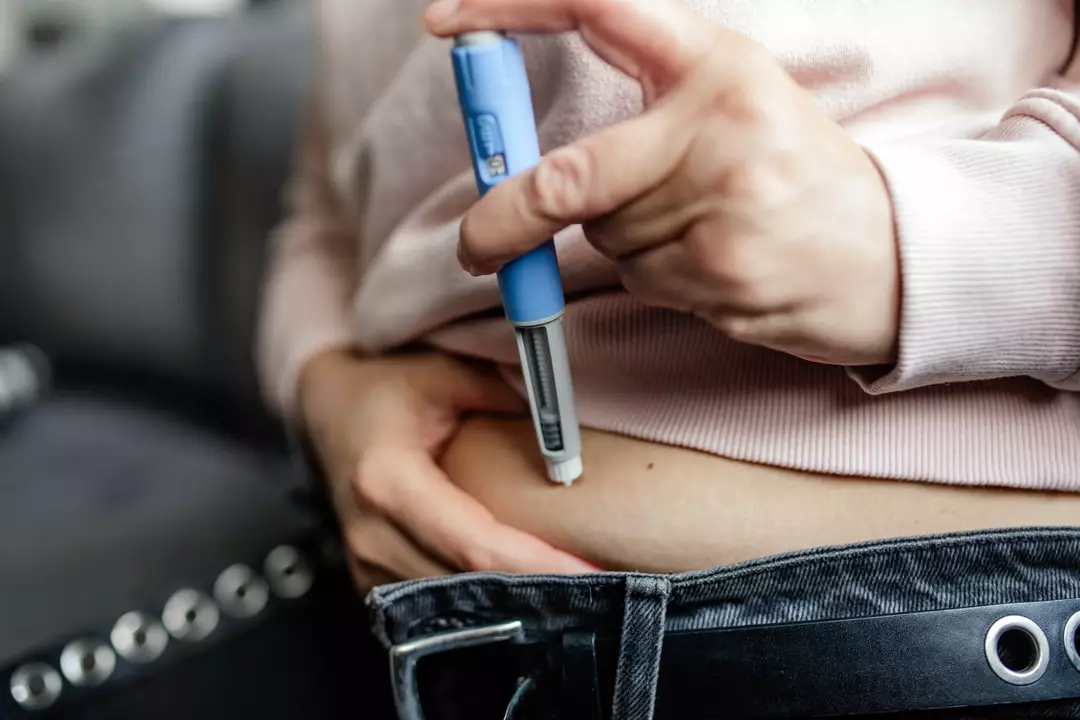
Researchers have been paying closer attention to that issue because weight loss on incretin-based drugs does not come entirely from fat. Previous studies have suggested that a meaningful share of lost weight can be lean mass, which includes muscle, although the exact proportion can vary depending on the drug, the person and the speed of weight loss.
According to the findings, about one-third of the weight lost while taking GLP-1 medication could come from muscle, while the remainder comes from fat.
The new phase 2 EMBRAZE trial involved 102 adults with overweight or obesity who were randomly assigned to receive tirzepatide plus apitegromab or tirzepatide plus a placebo for 24 weeks. Apitegromab was originally developed for spinal muscular atrophy and works by selectively inhibiting myostatin, a protein that helps regulate muscle growth.
The researchers found that apitegromab appeared to help limit muscle loss during the weight-loss process. At 24 weeks, participants taking apitegromab lost 1.9kg less lean mass than those given placebo, while overall weight loss was similar between the two groups.
In theory, that could mean the drug may reduce the side effect of GLP-1-related weight loss affecting the buttocks.
The paper reported that apitegromab led to a 54.9 percent retention of lean mass relative to placebo, which has helped fuel interest in whether future obesity treatment could focus not just on the amount of weight people lose, but on the quality of that weight loss as well.
Even so, specialists have stressed that more research is needed before any firm conclusion can be made.
Dr Marie Spreckley of the University of Cambridge, who was not involved in the study, said the findings were ‘encouraging early evidence’, but added that more work is still needed to demonstrate a clear clinical benefit.
That caution matters because preserving lean mass on a body scan is not the same thing as proving better strength, mobility or long-term health outcomes. The EMBRAZE results are promising, but they are still early-stage and apitegromab is not currently an approved add-on treatment for people using GLP-1 drugs for weight loss.
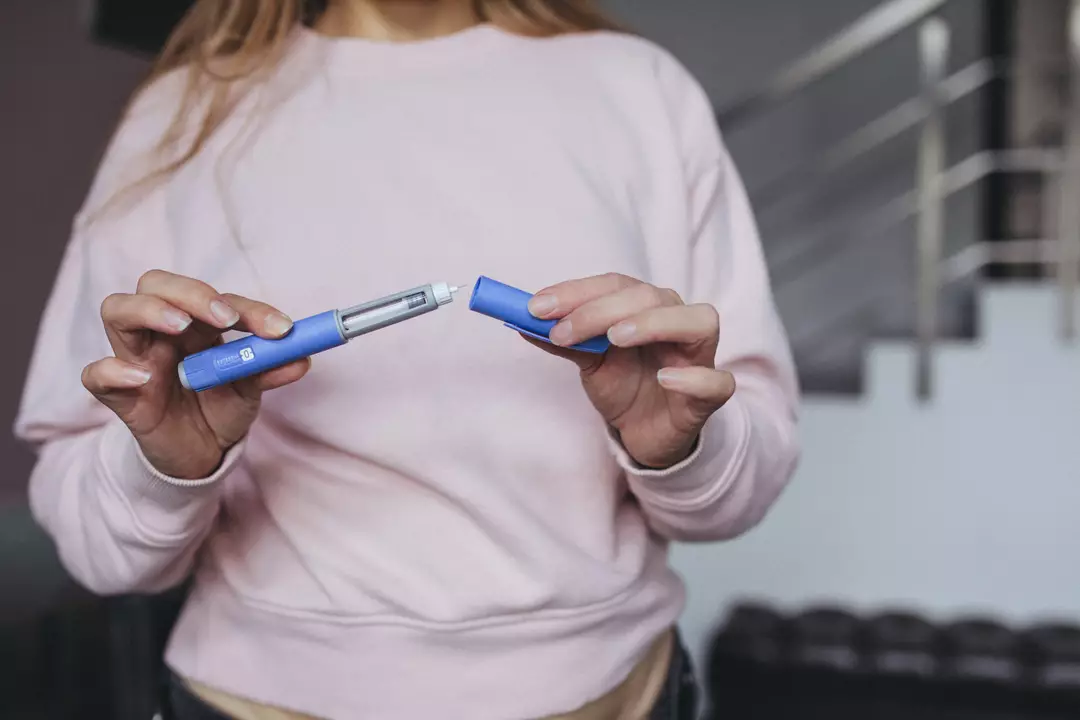
There are also other ways people can try to preserve or build muscle if that is a concern while using GLP-1 medication.
These can include strength-focused activities such as weightlifting, resistance band workouts, push-ups, squats, yoga, and even physically demanding daily tasks like heavy gardening or climbing stairs.
Doctors and dietitians also typically recommend prioritising protein intake, hydration and progressive resistance exercise while appetite is reduced on GLP-1 therapy. General expert guidance suggests many adults aim for roughly 0.8g to 1g of protein per kilogram of body weight per day, although age, health, activity levels and individual goals can all change what is appropriate.
The BBC also reports that consuming between 20g and 40g of protein per meal can be helpful for people aiming to increase muscle mass.
‘Ozempic butt’ is not the only term being discussed, with people also referring to effects such as ‘Ozempic ears’ and ‘Ozempic teeth’.
As with the first example, changes to the ears are linked more to rapid weight loss than to the medication directly, while tooth-related issues are connected to saliva. Nausea, vomiting and reduced food intake can also contribute to dehydration or oral health problems in some patients, which is one reason clinicians advise regular dental care and prompt medical advice if side effects become hard to manage.
The wider field is moving quickly. Other researchers have also been studying ways to preserve lean mass during obesity treatment, including combination approaches pairing GLP-1 medicines with muscle-preserving drugs, but experts say it is still too soon to know which strategy, if any, will become standard practice.
Novo Nordisk has been approached for comment.