

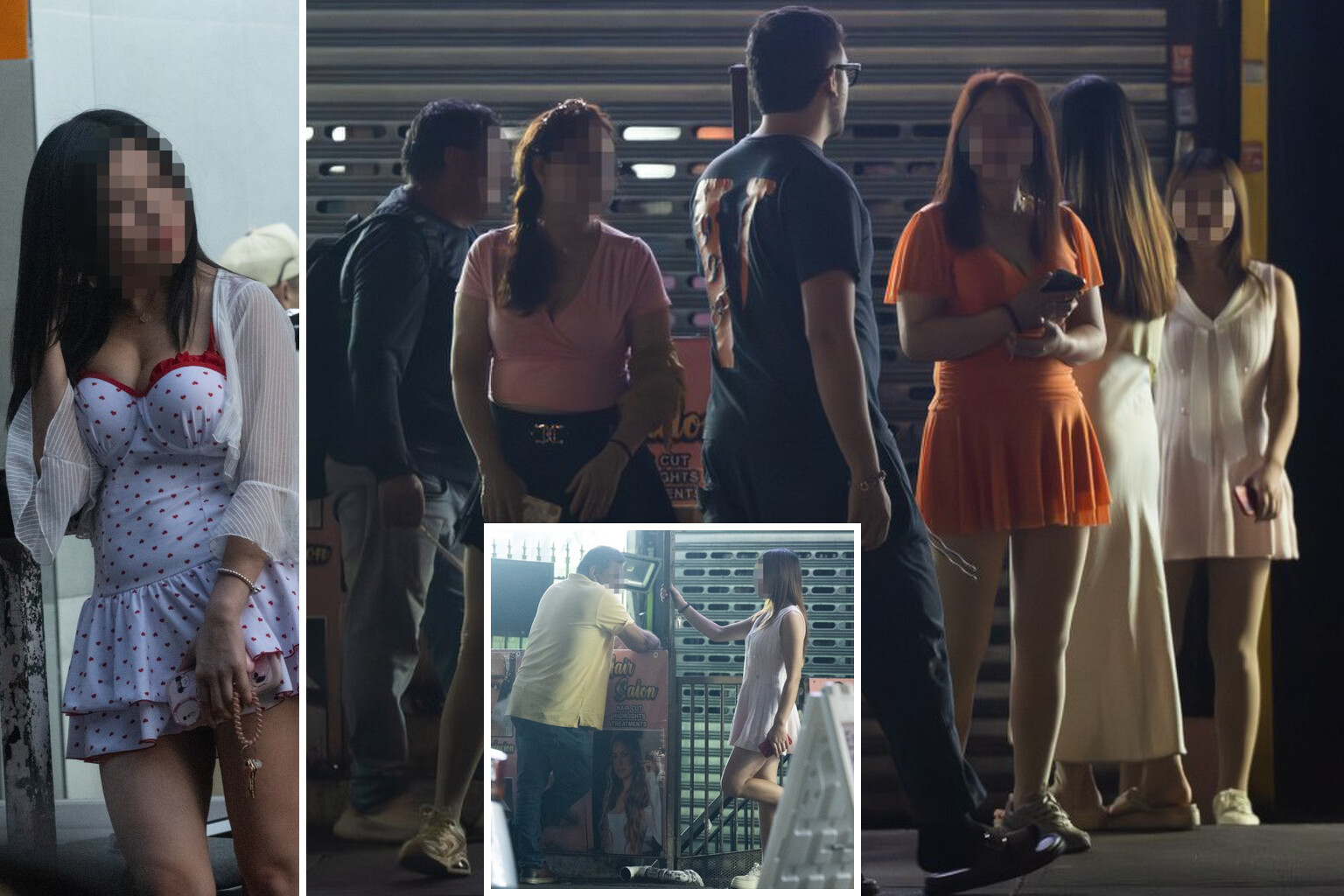
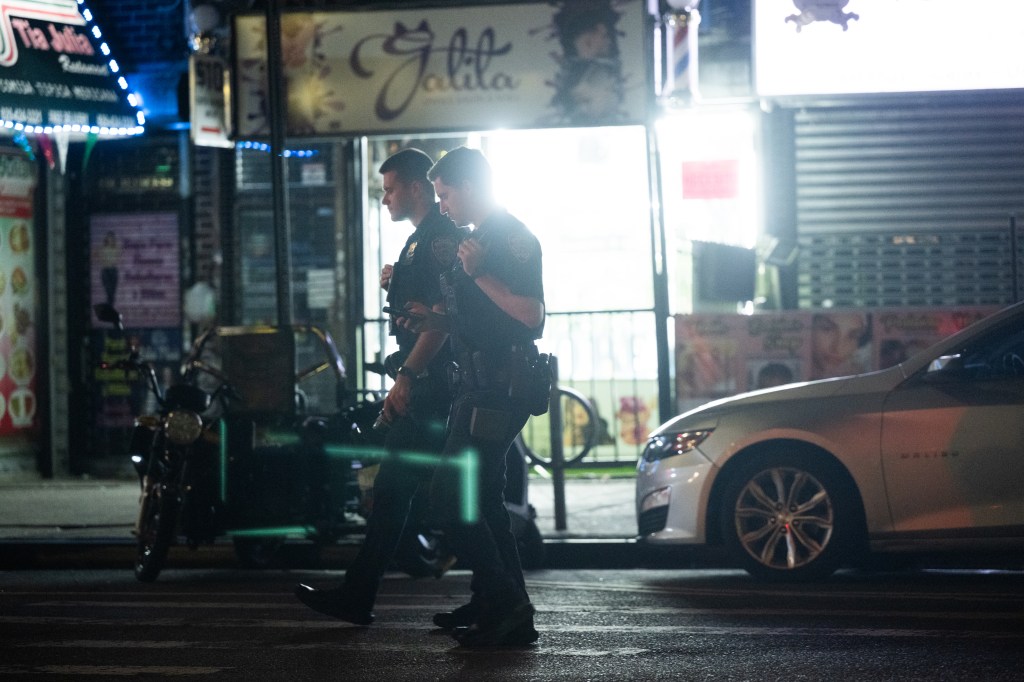
Prostitution-related arrests along Queens’ Roosevelt Avenue have plummeted 60 percent since new city leadership took over, even as the number of sex workers operating on the notorious strip has surged.
NYPD officers logged just 193 prostitution arrests along the corridor this year through Sept. 13, a steep drop from 468 during the same period last year under former Mayor Eric Adams and Commissioner Jessica Tisch’s “Operation Restore Roosevelt” crackdown, records show. Major crimes including murders and shootings are down 3 percent along the same stretch.
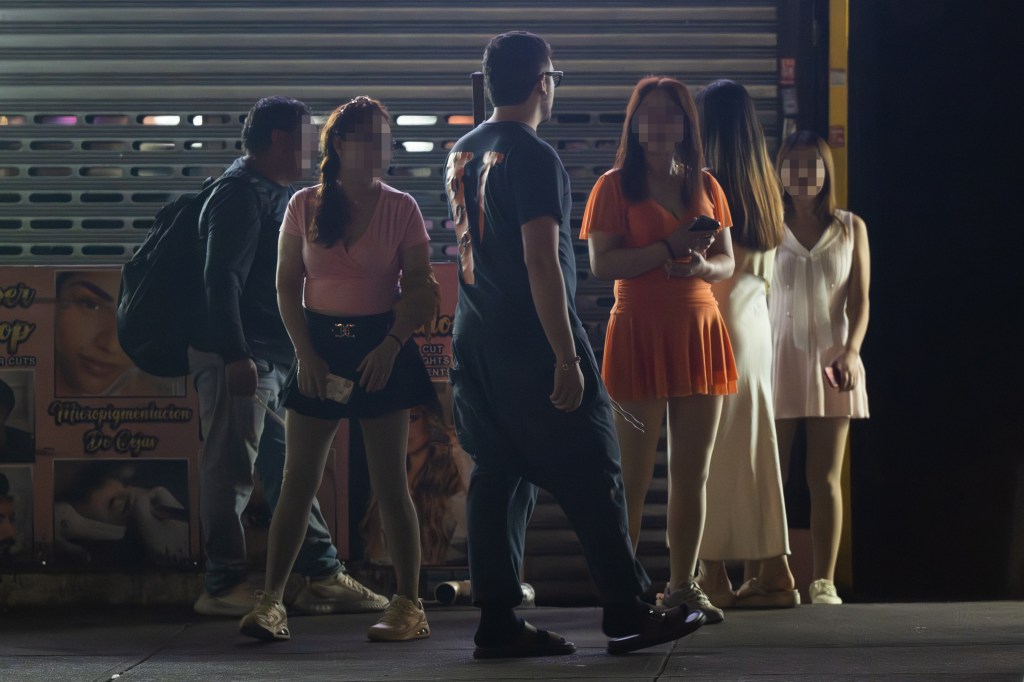
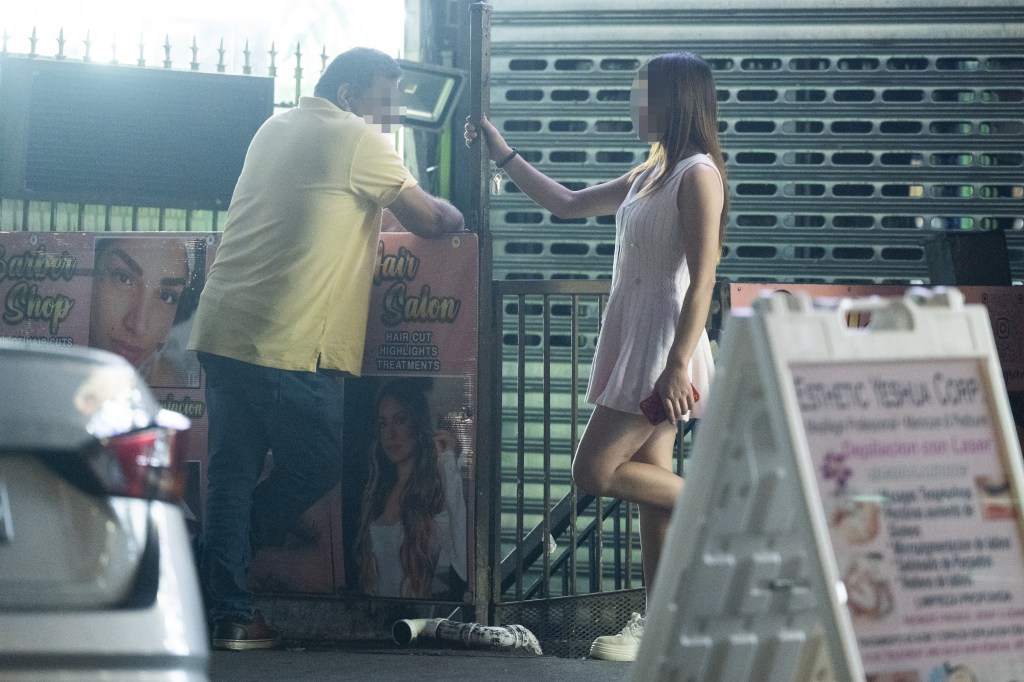
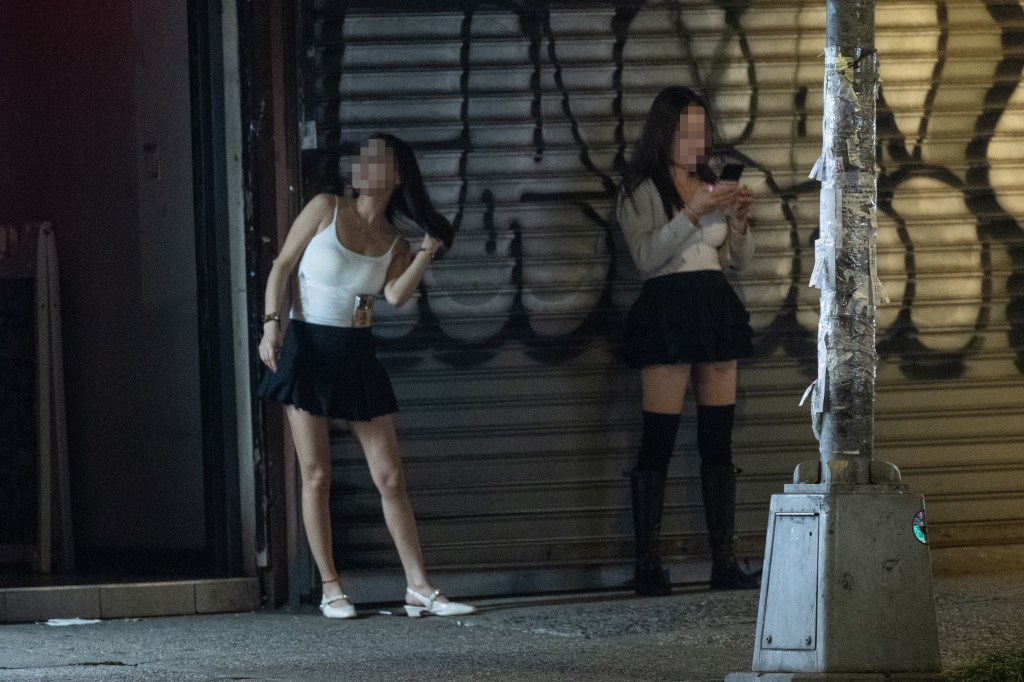
The open-air sex bazaar, nicknamed the “Market of Sweethearts,” stretches roughly two miles through Jackson Heights and Corona. Scantily-clad streetwalkers solicit passersby around the clock, often within sight of patrolling officers, then lead customers into illegally operating brothels inside rows of two-story commercial buildings.
John, a 40-year-old Manhattan regular, said he rides the subway to Queens because the women are “cheap” and enforcement feels toothless. “I can get it done for $60 to $80,” he boasted. “In Manhattan… It costs $200 to $300.”
He broke down the neighborhood’s pricing tiers with striking specificity. “The Chinese women charge $60 for sex and $40 for oral sex,” he said. “They’re open to sex without a condom for $100 or more.”
“Latinas are more expensive,” he continued. “With the Chinese women, you get 30 minutes; the Latinas are obsessed with watching the clock.”
He described the setup as cramped and transactional: “They just show up and that’s it, and when I get bored with those women, I head to Flushing.” The women lead men to “a place upstairs, in very small rooms,” he added.

A reporter who visited Roosevelt Avenue near 90th Street last week spotted nine Asian women turning tricks while two others appeared to work as hostesses or managers. They all declined to comment.
The dynamic shifted when the reporter approached a group of Ecuadorian sex workers, who began competing for his business. One offered “massages” using “three positions” for $100 per 20 minutes, including $50 to rent time in a nearby room. Another undercut her: “I can [give] you the hour for $300. Normally it’s just 15 minutes, but a half hour we can do it for $150. I give you four positions. We can do whatever.”
The enforcement collapse traces partly to Albany’s February 2021 repeal of the state statute prohibiting loitering for prostitution purposes. The change has allowed street-level sex workers to operate more openly while police redirect limited resources toward traffickers, pimps and johns.
Several recent busts illustrate who still gets caught. John Maddox, 52, was arrested July 29 near 98th Street for allegedly offering an undercover officer $20 for sex; he had 12 prior arrests including a 2024 drug sale charge. Mario Sanchez, 31, was nabbed June 11 near 80th Street for allegedly offering $100 to an undercover cop. Both pleaded not guilty to patronizing prostitution, which carries up to one year in prison.
“Restore, rinse, release — that’s the problem with Roosevelt Avenue,” said a city government official who spoke on condition of anonymity. “The cops catch these johns and put them away, but they pop up like whack-a-mole. Enough is enough. Someone needs to shut it down.”
Former state Sen. Hiram Monserrate, now a Democratic district leader representing the affected neighborhoods, placed blame squarely on City Hall. “It is becoming apparent that there is less enforcement, and I think that comes from the top,” he said. “The current formula is not working to keep our community safe. It’s a disaster. The problem has gotten worse, and this administration has done nothing to correct it.”
An unnamed women’s advocate based in New York City offered a more nuanced critique, suggesting the police commissioner lacks mayoral backing she enjoyed previously. “I think the police commissioner is pretty committed to keeping things in check there, but I know that she probably doesn’t have the backing of the mayor the way she has under other administrations,” the advocate said.
Mayor Zohran Mamdani, who campaigned as a passionate supporter of decriminalizing prostitution, is now facing the consequences of that stance in one of the city’s most visible vice corridors. City Hall spokesman Sam Raskin defended the administration’s approach in a statement, saying Mamdani “is committed to partnering with local organizations and neighborhood residents to address conditions on Roosevelt Avenue” and is “using every tool available to the city while treating victims and survivors with the care and dignity they deserve.”
“Our approach must therefore pair enforcement with the support and opportunity that help people build safer, more stable lives,” Raskin added.
John, the Manhattan customer, insisted residents should not blame beat officers. “The police are always around, but it seems like there’s nothing they can do,” he said. “The women know New York laws are lax. Many come from other states… That’s what they tell me.”
Negotiating a tryst is “super easy,” he summarized. “They just show up and that’s it.”
The Roosevelt Avenue corridor first gained national notoriety as a migrant-fueled sex market, with Tisch and Adams launching targeted raids that temporarily disrupted operations. Those enforcement gains have now largely eroded, leaving local leaders and residents to debate whether the current strategy of pursuing traffickers while tolering visible street-level solicitation can ever restore order to the strip.