

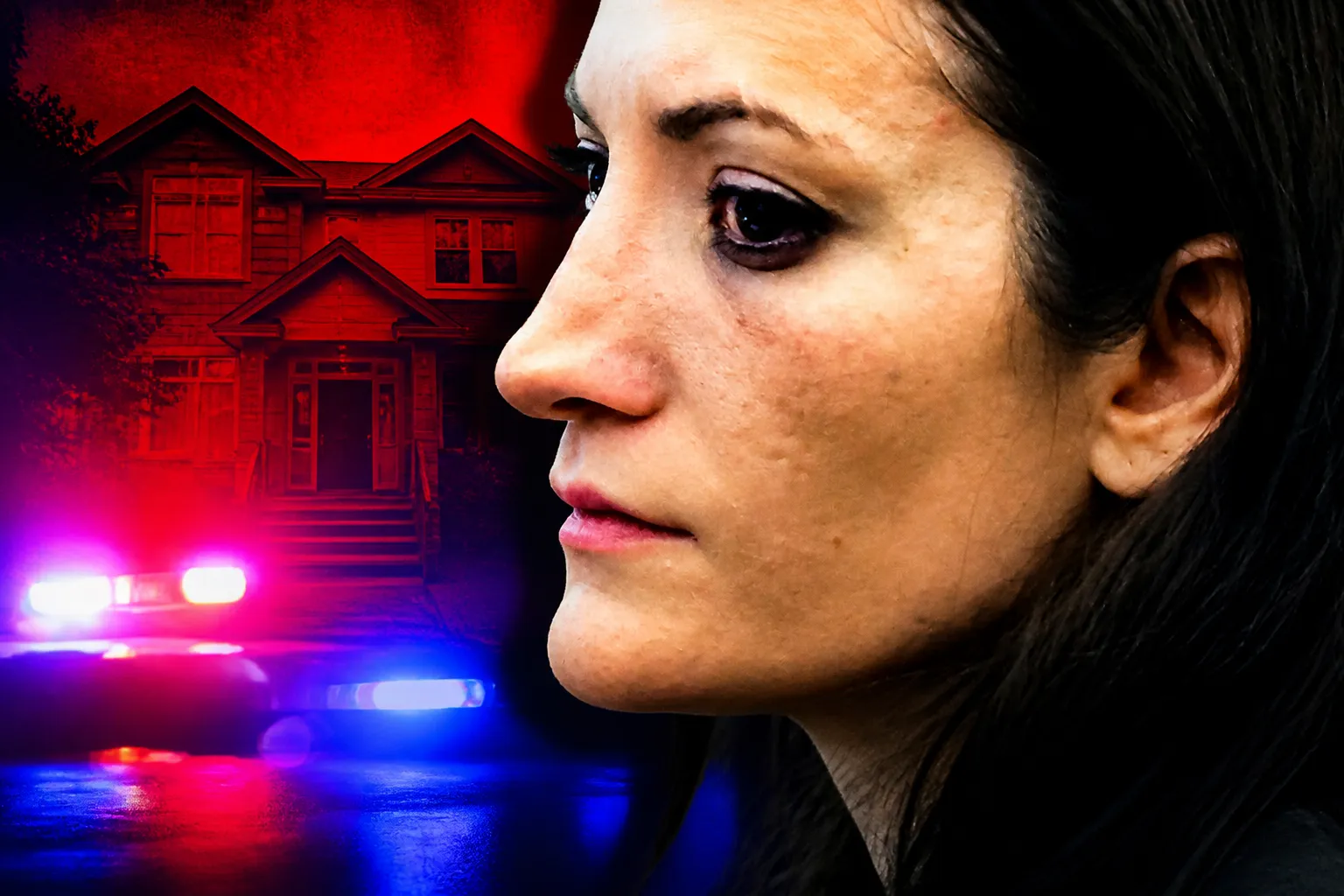
A forensic psychiatrist testified that Lindsay Clancy’s psychotic delusions convinced her she was saving her three children by killing them.
Dr. Phillip Resnick, the defense’s final witness on Friday in Clancy’s Massachusetts murder trial, told jurors that Clancy, 36, was “clearly psychotic” on January 24, 2023, when she strangled her daughter Cora, 5, son Dawson, 3, and infant son Callan, 8 months, in the family’s Duxbury home. Resnick, who previously testified for the defense in Andrea Yates’ 2006 trial, said he spent hours interviewing Clancy four months after the killings and found she tended to minimize rather than exaggerate her symptoms.
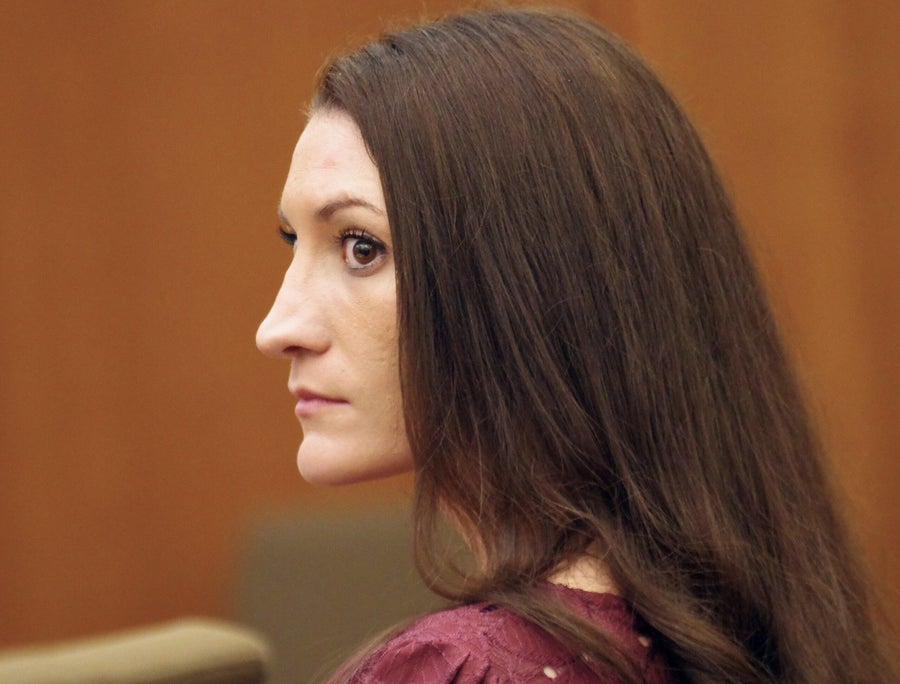
Resnick testified that Clancy suffered from severe depression, showed evidence consistent with bipolar disorder, and reported hearing a male voice commanding her to kill her children. He described her mental state as one where she genuinely believed her family was trapped in a doomed reality, and that by ending their lives, she was doing her children a favor.
“In her mind, she believed she would be doing her children a favor by having them go to heaven with her rather than remain on Earth without her doing the mothering,” Resnick testified. “Her mind was distorted like that.”

Resnick continued that Clancy “believed her children would be miserable. And she couldn’t imagine them continuing to exist and have a decent life without her being there as a mother,” He added that “she did what she believed was morally right, even though she understood that ordinarily killing a child is against the law, she believed that she was doing what was right for her children with her distorted psychotic symptoms and her children’s need for her.”
The psychiatrist also testified that people who kill their children typically fall into five categories, and that Clancy’s case matched two: altruistic filicide and acutely psychotic filicide. He determined she more closely aligned with the latter category.
“It was almost like she was a puppet and someone else was pulling the strings,” Resnick said of Clancy’s actions that day.

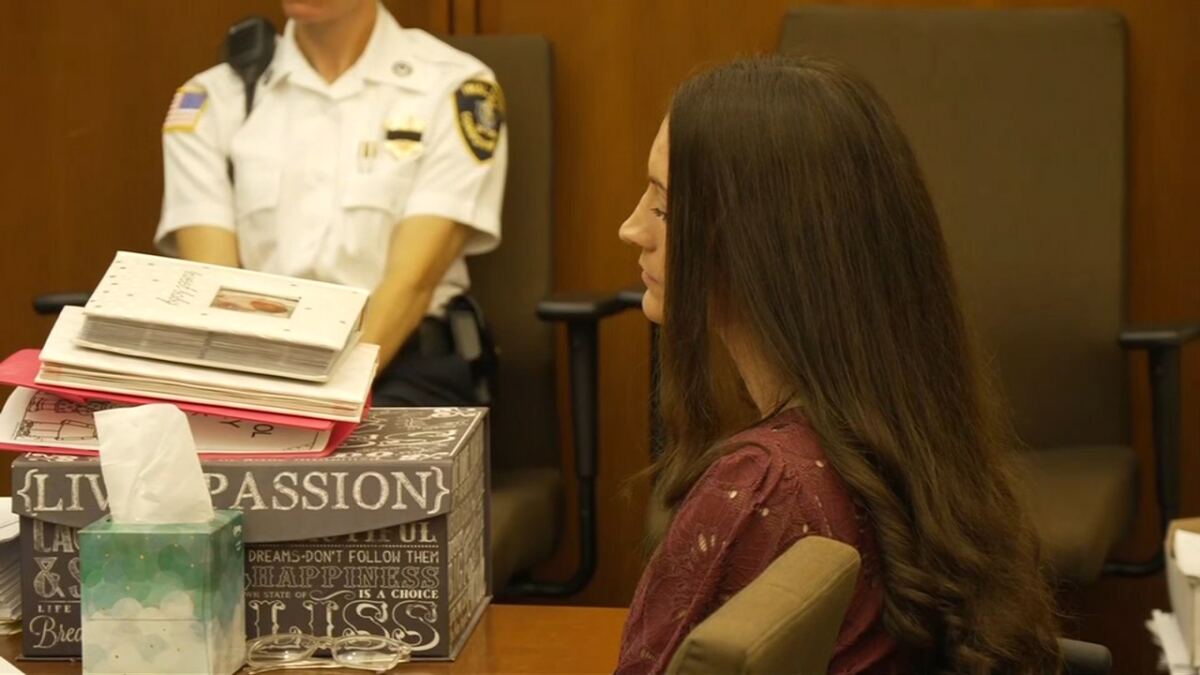
Under cross-examination by prosecutor Jennifer Sprague, Resnick acknowledged that Clancy had not disclosed thoughts of harming her children to medical providers who asked. He explained this was “very common because people fear their children will be taken away.” Sprague pressed further, asking “So it’s better to kill them than have them taken away?” Before the judge struck the question.
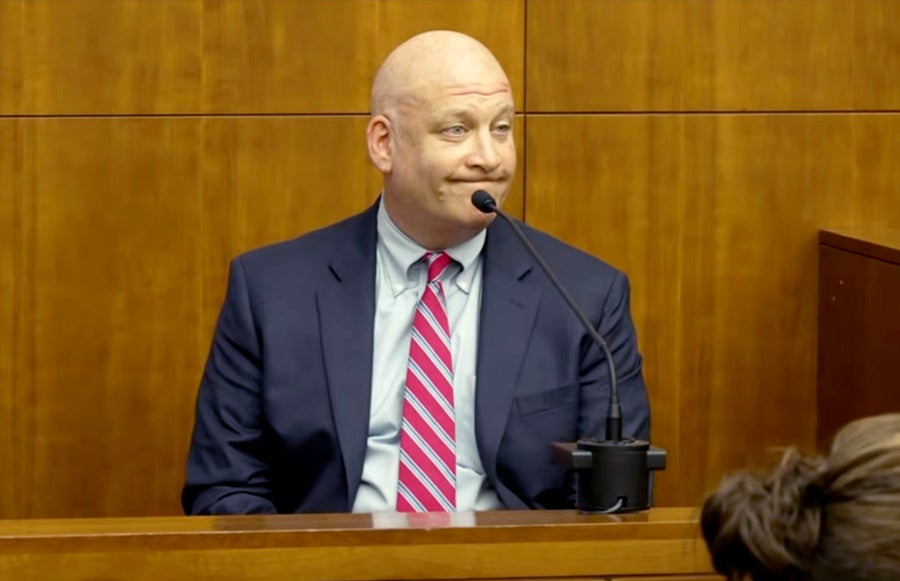
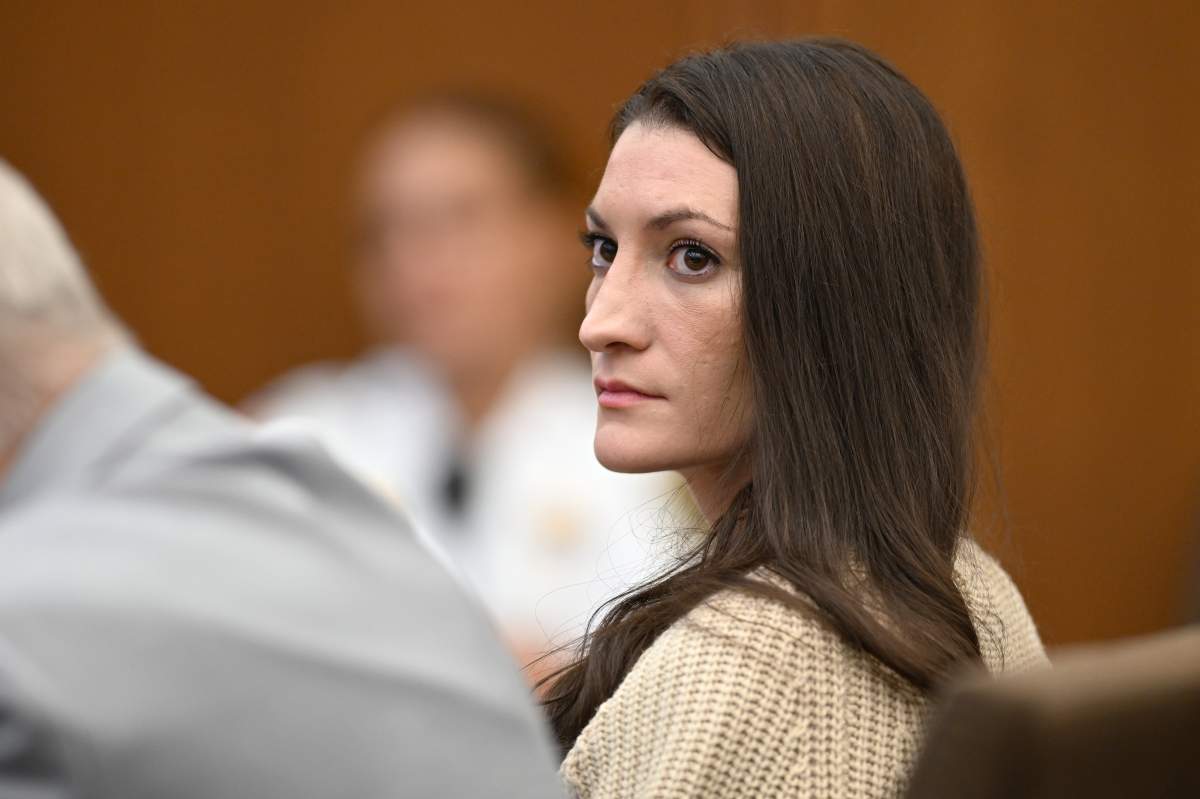
Prosecutors have argued that Clancy acted with premeditation, pointing to internet searches regarding child development and map queries she made while sending her then-husband Patrick Clancy out to pick up takeout dinner and prescription medicine shortly before the killings. They have sought to show that while she was receiving treatment for anxiety, insomnia and depression, she was not suffering from psychosis.
After the defense rested, prosecutors called forensic psychiatrist Dr. Avram Mack as a rebuttal witness. Mack agreed Clancy suffered from a major depressive episode but said he found no evidence of mania or hypomania to support a bipolar diagnosis, or of psychosis leading up to the killings. Mack testified that Clancy described January 24 as “a fun and productive day” and that Patrick Clancy told child welfare officials it was the best day she’d had in a long time.
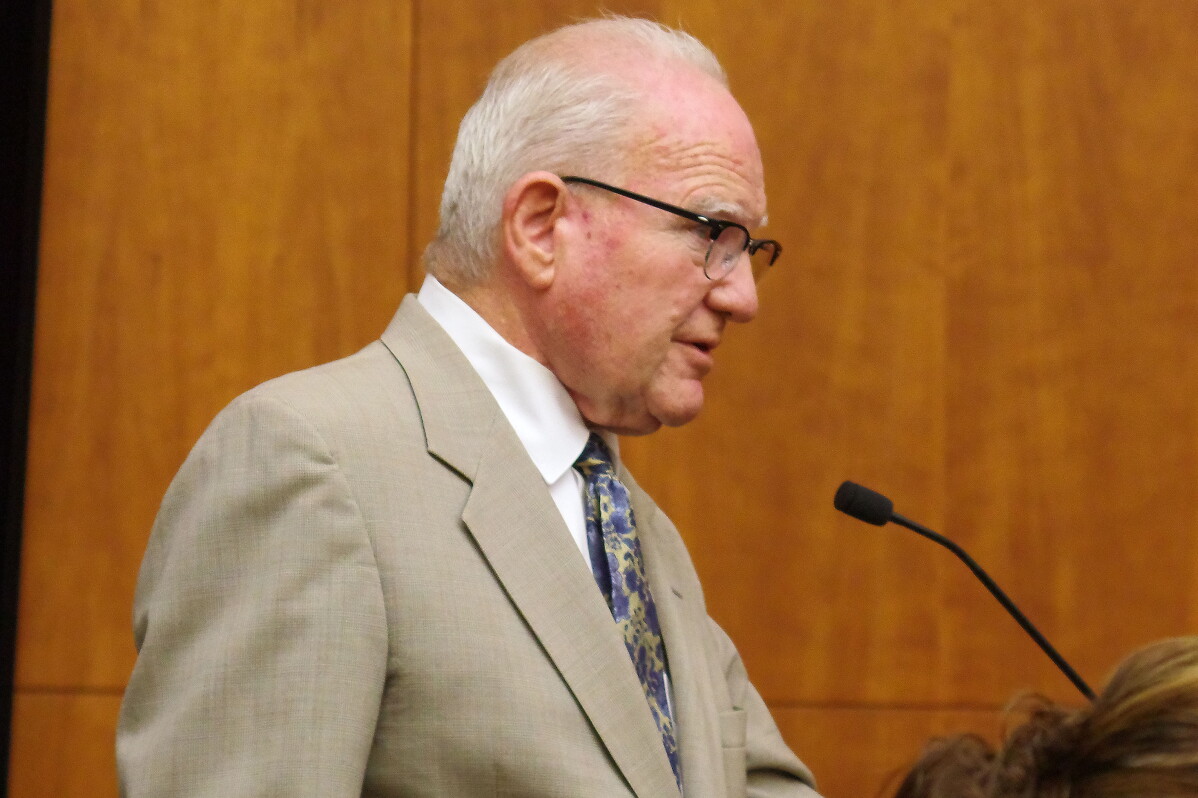
Clancy used exercise bands to strangle her three children in the basement of their home, then cut her own wrists and neck before jumping from a second-story window. The suicide attempt left her permanently paralyzed from the waist down. She has pleaded not guilty to three counts of first-degree murder, with her defense arguing she should not be held criminally responsible due to postpartum psychosis. Medical professionals treating Clancy at Tewksbury State Hospital, where she remains committed, have continued to document severe psychiatric trauma and the long-term cognitive aftermath of her suicide attempt.
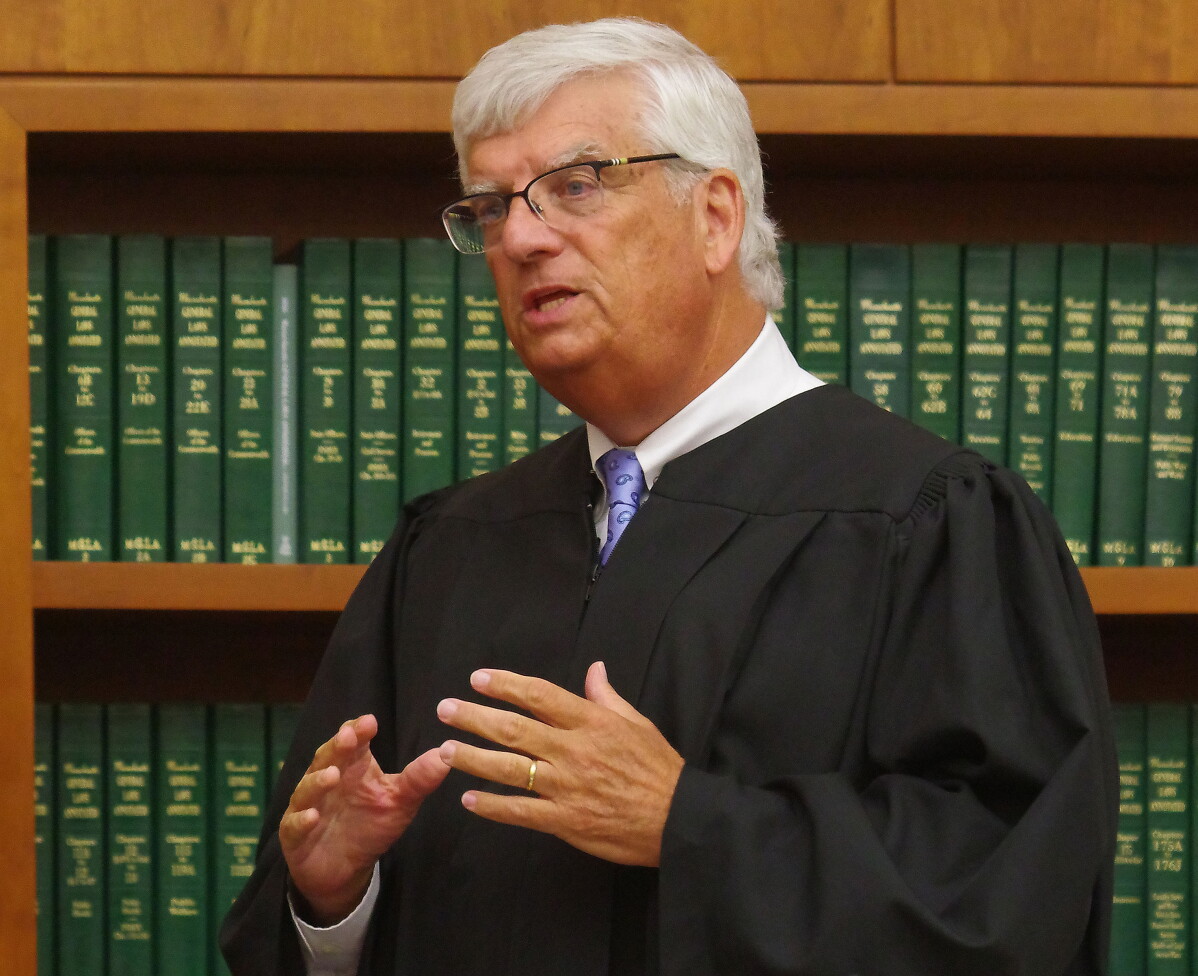
Clancy’s psychiatric treatment history reveals a woman who repeatedly sought help in the months before the tragedy. She had been prescribed 13 psychiatric medications by multiple providers, including benzodiazepines, mood stabilizers and antidepressants. Her psychiatrist Dr. Ellen Tufts testified that Clancy was “depressed and flat” the day before the killings and had emailed asking about ketamine therapy, saying she was “getting desperate for something that would work quickly.”
Closing arguments in the trial could happen as early as Monday in Plymouth.