

A psychologist has outlined five subtle techniques grocery stores use to get customers to spend more, from store layouts to the unexpected influence of background music.
Many shoppers know the feeling of going in for one essential and leaving with a basket full of extras they never planned to buy. And even in 2026, that experience is no accident: grocery retailers continue to use store design, product placement, pricing cues and sensory details to shape what people notice, how long they stay and what ends up in their trolley.
According to experts, that is rarely accidental. Supermarkets are carefully arranged to keep people browsing longer, noticing more products, and making unplanned purchases along the way.
Psychologist Eloise Skinner said one of the most effective tactics starts with where the basics are positioned.
“Shoppers have to pass through the entire store before getting to the everyday items,” she explained.
That journey to pick up staples can expose customers to a long list of tempting products and promotions before they even reach what they came for.
“Offers are strategically placed throughout the store can also keep our attention high as we progress through a shop.”
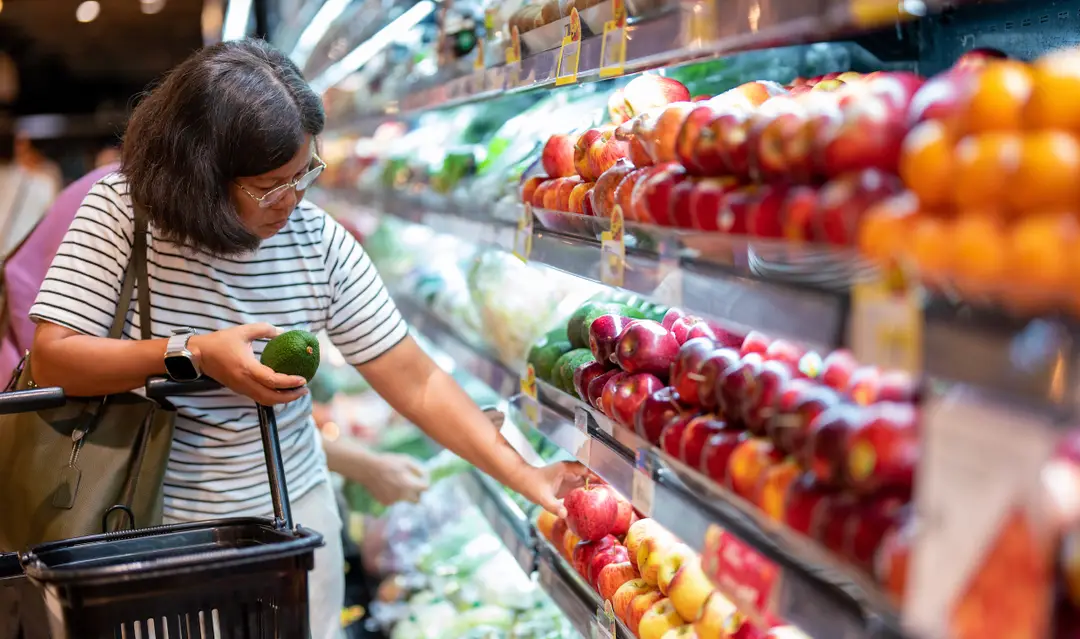
Retail expert Kayleigh Fazan said product placement has a major effect on buying decisions, even when people think they are shopping entirely on instinct.
“Most customers believe they’re making completely independent choices, but visibility has a huge influence on what ends up in the basket.”
Another common tactic is changing where familiar products are kept. If an item you usually find in one aisle suddenly appears somewhere else, that can be part of the strategy.
“It increases uncertainty about location of items, and encourages consumers to engage with new products or ways of shopping.
“Stores can certainly use layout as a tool to keep people engaged and interested while shopping – mixing up the layout can lead to a longer time in store.”
Store entrances are also designed to shape a shopper’s mood from the moment they walk in. Bright signage, discount displays, flowers, and fresh produce can all create a sense of excitement and possibility.
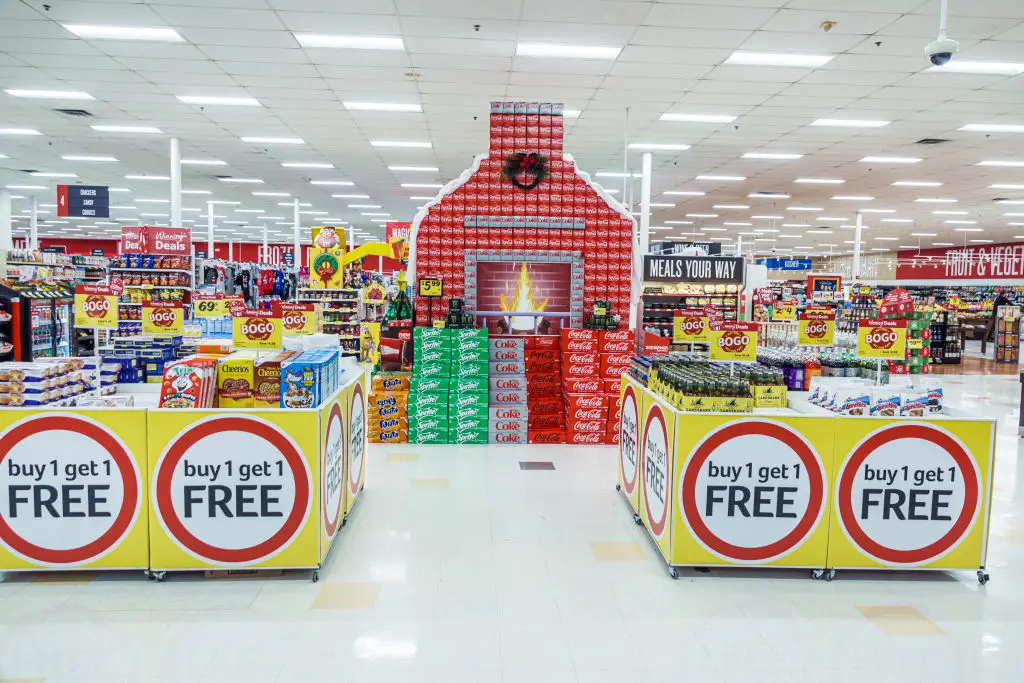
“Big displays at the entrance of the store focus on the senses (flowers, fresh fruit, big discounts or offers), which can put consumers in a positive or open mindset,” the psychologist explained.
Fazan said stores are well aware that spending choices are often driven by feeling rather than logic.
“Retailers understand that shopping is often emotional rather than purely rational. Multi-buy offers, limited-time promotions, and strategic product groupings create a sense of value and convenience that encourages additional purchases.”
Even the soundtrack playing over the speakers can play a role in how long people stay and how they shop.
“Supermarkets generally pick ambient music over recognizable songs, since ambient music allows us to process the music as part of the background, rather than feeling distracted by recognizable tracks – or becoming aware of the time passing and wanting to finish shopping quicker,” Skinner said.
She also pointed to differences in how music affects shoppers depending on when they visit.
“There’s also some distinction between music played on weekdays and at weekends, with research suggesting music has a more positive consumer impact on shoppers during the week.”
Cart size can make a difference too. A larger trolley can subtly encourage people to keep adding items because an emptier cart may feel incomplete.
“Making shopping carts bigger can lead us to filling the cart more, with a subconscious understanding that we haven’t shopped sufficiently if the cart is not full,” Skinner explained.
Taken together with eye-level placement for premium products, carefully framed price comparisons, end-of-aisle displays and constant deal messaging, these techniques can make sticking to a budget much harder than it seems. Modern supermarkets also increasingly combine these old-school tactics with digital ones, such as personalized loyalty offers and app-based coupons, which can make the urge to spend feel even more tailored to the individual shopper.