

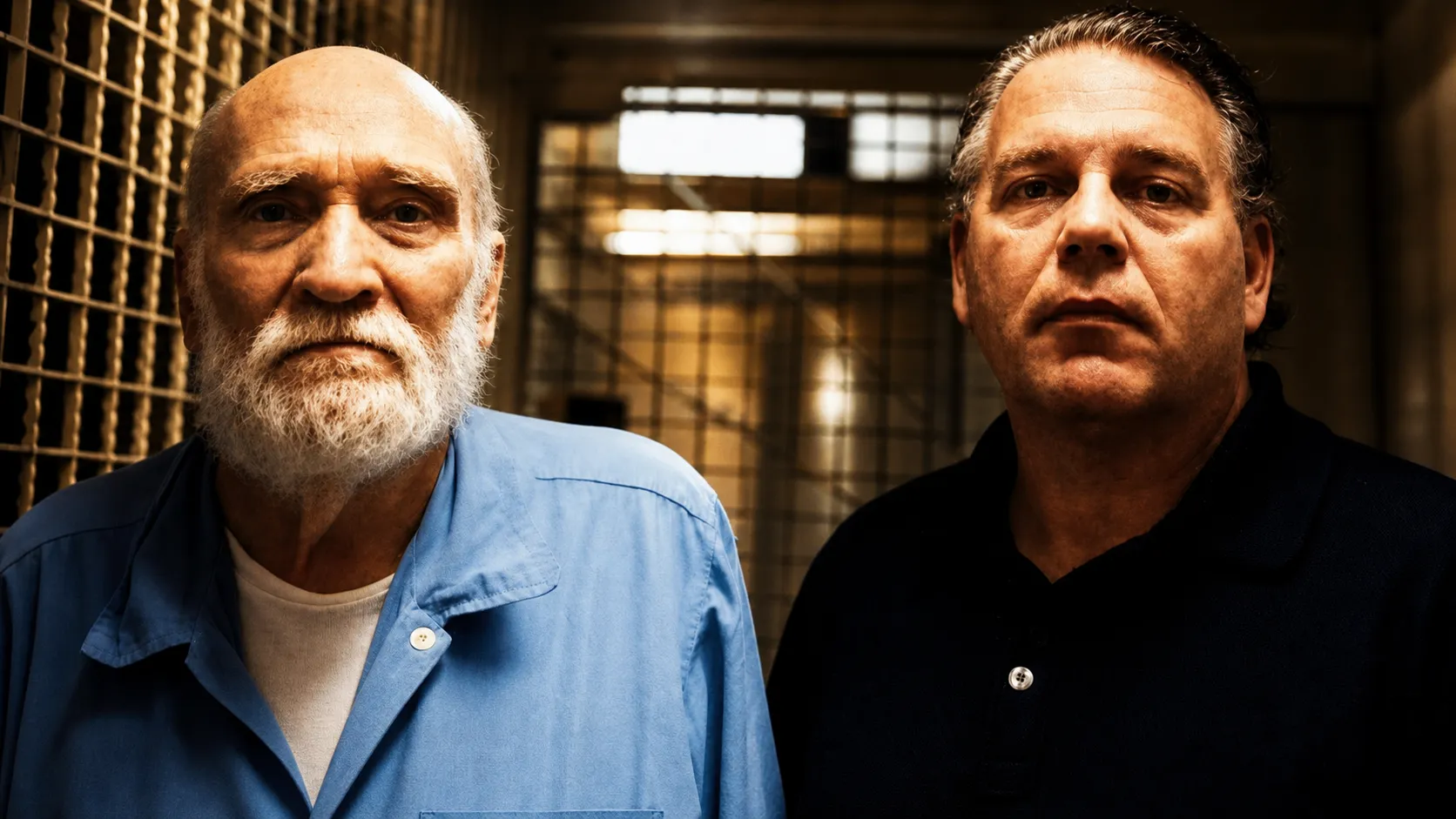
About 2,000 inmates are currently sitting on death row across the United States, and while most were convicted of aggravated murder, a psychologist who has spent years interviewing them says they also share a far less obvious trait.
Clinical psychologist Dr. Bill Kimberlin has spoken with numerous death row prisoners, including BTK killer Dennis Rader and Samuel Little. Over the course of that work, he says he noticed a common characteristic that often surprises people.
Kimberlin first began visiting death row facilities in Ohio. On his third trip, one prisoner asked whether he would attend his execution, and Kimberlin agreed.
After that, more inmates began contacting him with the same request. What started as a limited number of prison visits eventually developed into years of travel, interviews, and research focused on death row inmates around the country.
That long-term access has given Kimberlin an unusually close view of the men he meets.

When asked what unites them beyond the crimes themselves, Kimberlin says the answer is simple.
“They don’t walk around with ‘serial killer’ tattooed on their forehead or anything like that – which is understandable because they blend in so well with the environment that they’re in depending on the section or group of people that they’re setting out to kill,” he explains.
He says the reality is very different from the image many people get from television. During his conversations with inmates, there are often no visible restraints involved.
Kimberlin already knows exactly who he is talking to and is familiar with their histories. But he says that if someone else walked into the room without that background, they likely would not suspect they were in the presence of a serial or mass murderer.
“They present in such a way that unless you knew ahead of time that you’re dealing with a mass murderer or serial killer, you would not know.”
He also says the inmates he deals with tend to be articulate and courteous in their interactions with him.
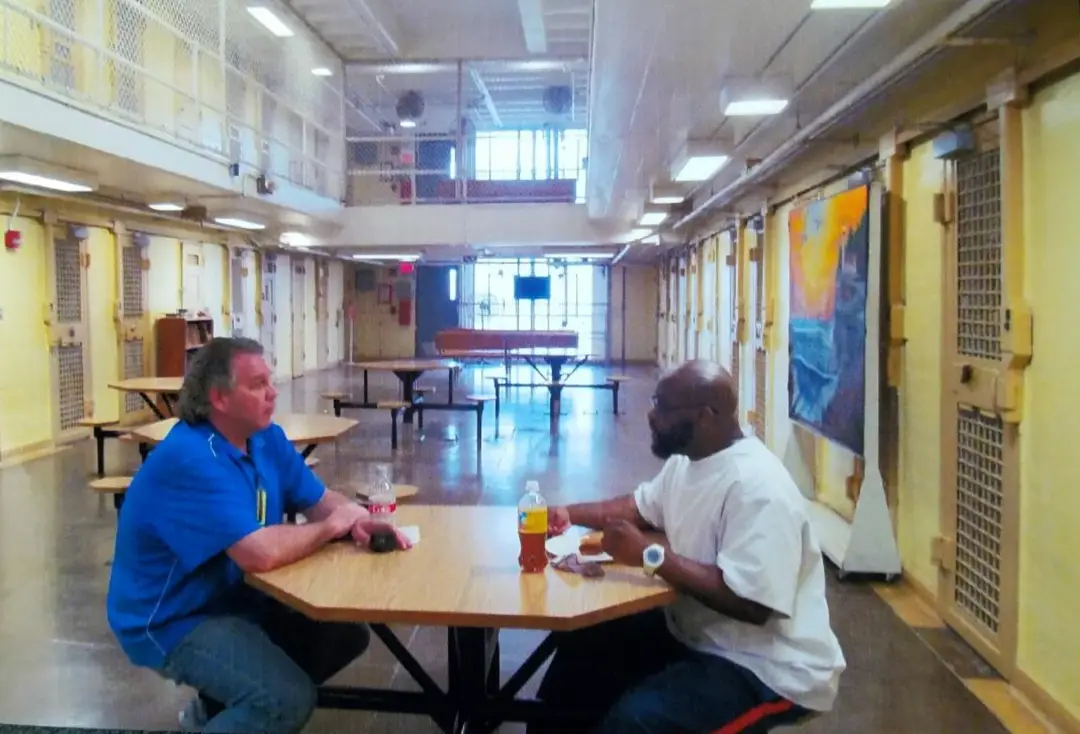
Kimberlin says that because they treat him with respect, he makes a point of returning it.
“They decide if I go home or not, so I’m always very conscious that I’m in their house and I play by their rules,” he adds.
He says that approach has helped him build what he describes as a unique relationship with many of the inmates. As a result, they often speak openly with him, sometimes confessing to additional crimes and even asking him to be present when they are executed.
Kimberlin’s observations fit a broader reality of death row in the United States. While the death penalty remains legal in a number of states, the total death-row population has declined for years and now sits at roughly 2,000 people, down from much higher totals in the 1990s. The average time prisoners spend on death row is now more than two decades, largely because of lengthy appeals, post-conviction reviews, and repeated legal challenges.
Executions also remain relatively uncommon compared with the size of the country’s death-row population. Since the modern death penalty was reinstated in 1977, more than 1,600 executions have been carried out in the United States, with the total continuing to rise as a small number of states account for most executions.