

Puerto Rico announced emergency water rationing measures as the island grapples with a severe and potentially historic drought that has left tens of thousands of residents without reliable access to running water. Governor Jenniffer González announced that customers in six municipalities could receive notices regarding water rationing due to drought conditions, with potential restrictions expected between mid-July and late July.
The affected municipalities are the Jagual ward in San Lorenzo, Comerío, Río Grande, Canóvanas, Loíza, and Cidra, where government officials have identified the most vulnerable areas. The rationing represents a dramatic escalation of water challenges that have plagued the island since early June, when a crack in the main Superaqueduct pipeline triggered a cascading crisis affecting hundreds of thousands of people across Puerto Rico’s most populated regions.
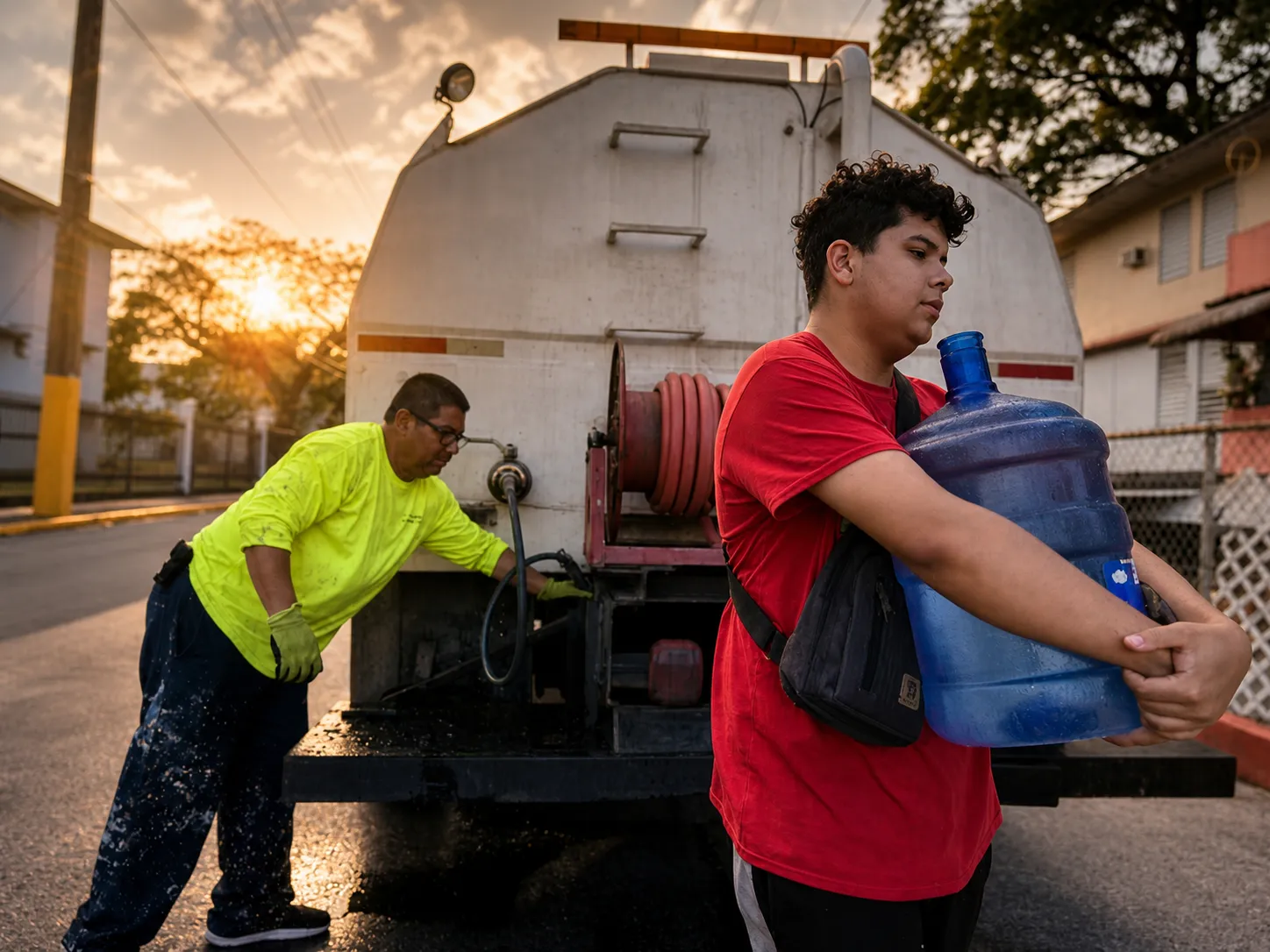
Nearly 40,000 customers experienced water outages during the first weekend of June alone, with some residents reporting they had gone without running water for days or even weeks. The situation has been so dire that families in San Juan and surrounding communities have been hauling five-gallon jugs up apartment staircases in summer heat, spending money at laundromats, and purchasing potable water to meet basic needs for washing, cooking, and sanitation.
The water crisis stems from multiple overlapping problems. A rupture of the 72-inch Superaqueduct line in Bayamón, with breaks at three separate points, triggered the island’s latest emergency. The Puerto Rico Aqueduct and Sewer Authority confirmed that concrete reinforcement with accelerants was applied to stabilize the repair, allowing the system to reopen slowly to avoid further damage. More than 120,000 customers have faced low pressure, inconsistent flow, and uncertainty about when stable service would return.
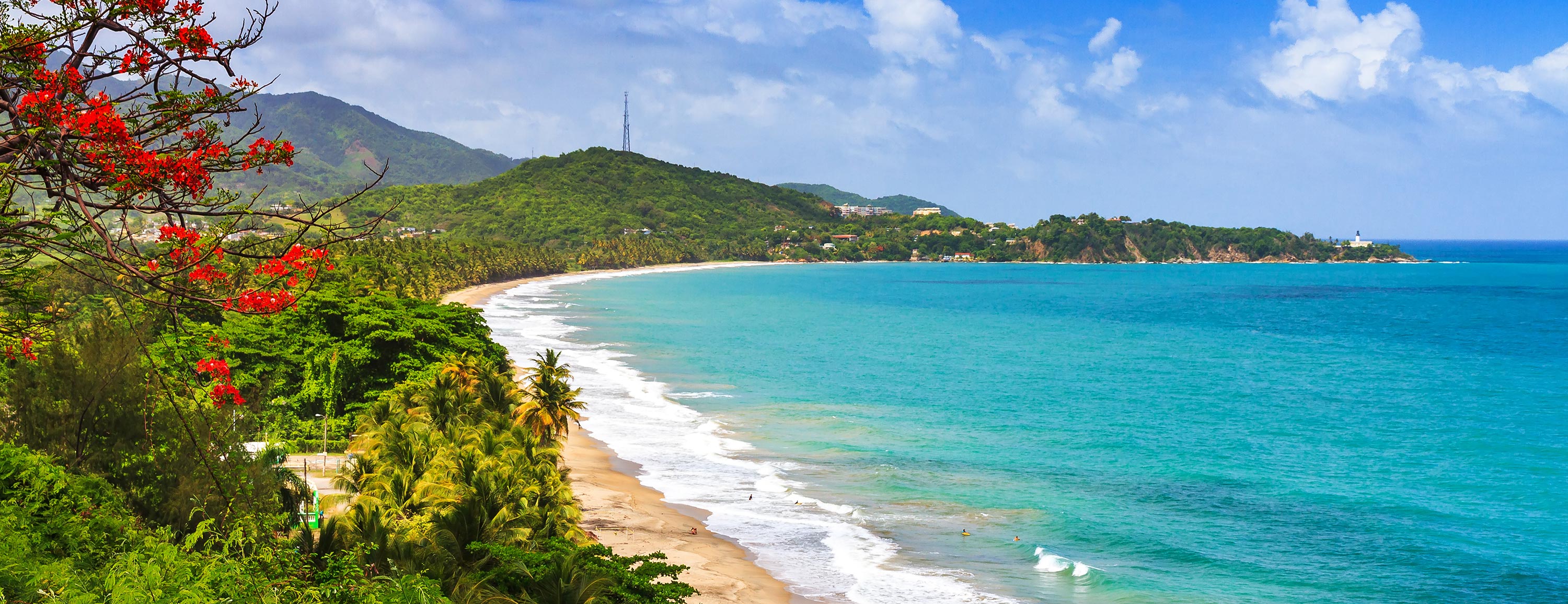
The crisis has intensified precisely as moderate drought conditions are affecting the southern and southwestern regions of Puerto Rico. According to meteorologists at the National Weather Service, rainfall deficits and soil dryness have prompted drought reclassification. Current conditions show approximately 61 percent of the island by area is experiencing moderate to severe drought conditions. A strong El Niño event is expected to weaken tropical waves and reduce rainfall through much of the season, raising the risk that current shortages could extend into the next dry period.
However, drought conditions alone do not fully explain the severity of the crisis. As of early June, only a relatively small portion of Puerto Rico was classified as being under moderate drought conditions, suggesting that infrastructure failures and distribution problems are playing a larger role than island-wide water scarcity. The Puerto Rico water system has suffered from decades of underinvestment and deferred maintenance, with aging infrastructure vulnerable to breakdowns. According to analysis of the system, approximately 59 percent of all treated water in Puerto Rico is lost before reaching residents through leaks, inaccurate meters, and crumbling pipes.
San Juan’s Municipal Office for Emergency Management responded to 3,074 water-emergency-related cases between June 1 and 13, with 804 cases handled through the distribution of 499,511 gallons of water from tanker trucks. The municipality mobilized 55 tanker trucks available to deliver drinking water, with 35 actively addressing distribution efforts. The National Guard was activated to support emergency water distribution across affected communities, with trucks deployed to vulnerable households containing children, older adults, and bedridden residents.
The situation has taken a serious toll on public health and wellbeing. More than 40 percent of Puerto Rico’s residents live below the poverty line, making them especially vulnerable to water shortages. Psychologists have reported an uptick in depression and anxiety stemming from the lack of water availability. Some elderly and disabled residents have been hospitalized as a result of the prolonged shortages.
In 2019 report card, the American Society of Civil Engineers gave Puerto Rico’s drinking water infrastructure a D grade, with dams and wastewater systems earning D+ ratings. Experts estimated in an update published last December that the U.S. Territory needs $3.9 billion to improve its public drinking water utilities, on which 96 percent of the island relies. The Puerto Rico Aqueduct and Sewer Authority has announced an “aggressive agenda” of inspections and long-overdue maintenance beginning in July to address systemic problems.
The water crisis represents a convergence of environmental and infrastructure pressures. Between aging pipes, drought-driven supply stress, extreme heat, and other environmental factors, Puerto Rico faces mounting challenges to its water security. The emergency water rationing announcement signals that officials anticipate conditions could worsen before improving, requiring residents across multiple municipalities to prepare for potential service interruptions in the coming weeks as the island enters its most critical dry season.