

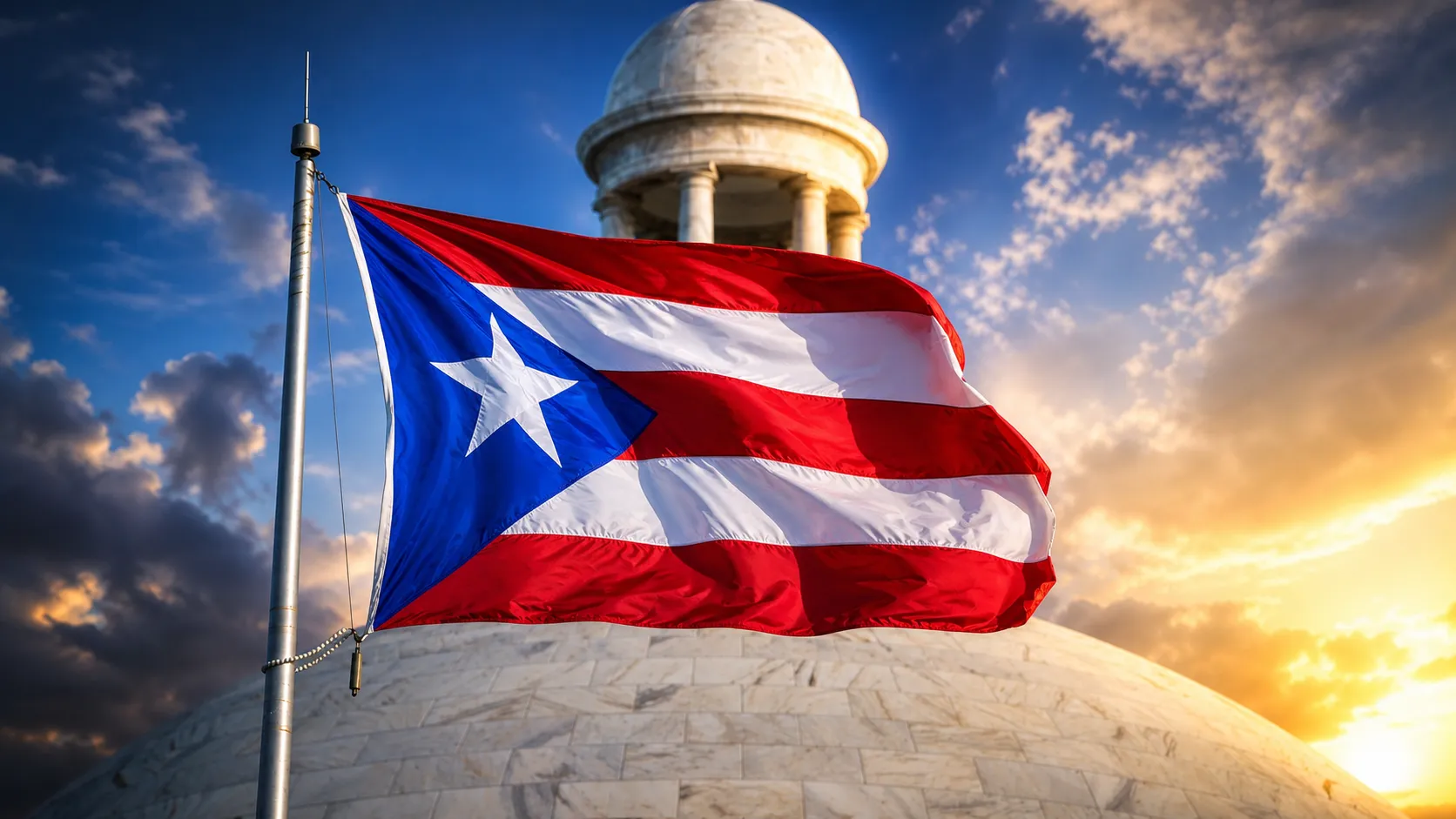
Puerto Rico’s federal control board has announced a new settlement offer that represents a significant increase in its previous proposal to resolve the power company’s long-standing debt crisis. The board, which oversees Puerto Rico’s finances, announced Tuesday that it is offering $3 billion in settlement funds to bondholders to restructure more than $10 billion in debt owed by the Puerto Rico Electric Power Authority, the U.S. Territory’s public utility.
The offer came as part of a continued push to finally resolve one of the most contentious and drawn-out debt restructuring processes in the island’s fiscal crisis. The board is proposing to pay cash and issue new bonds to bondholders that have not settled and are seeking approximately $8.5 billion in claims. The proposed settlement represents $1.4 billion more than previously offered, marking a significant increase in the board’s attempts to reach a consensual agreement.
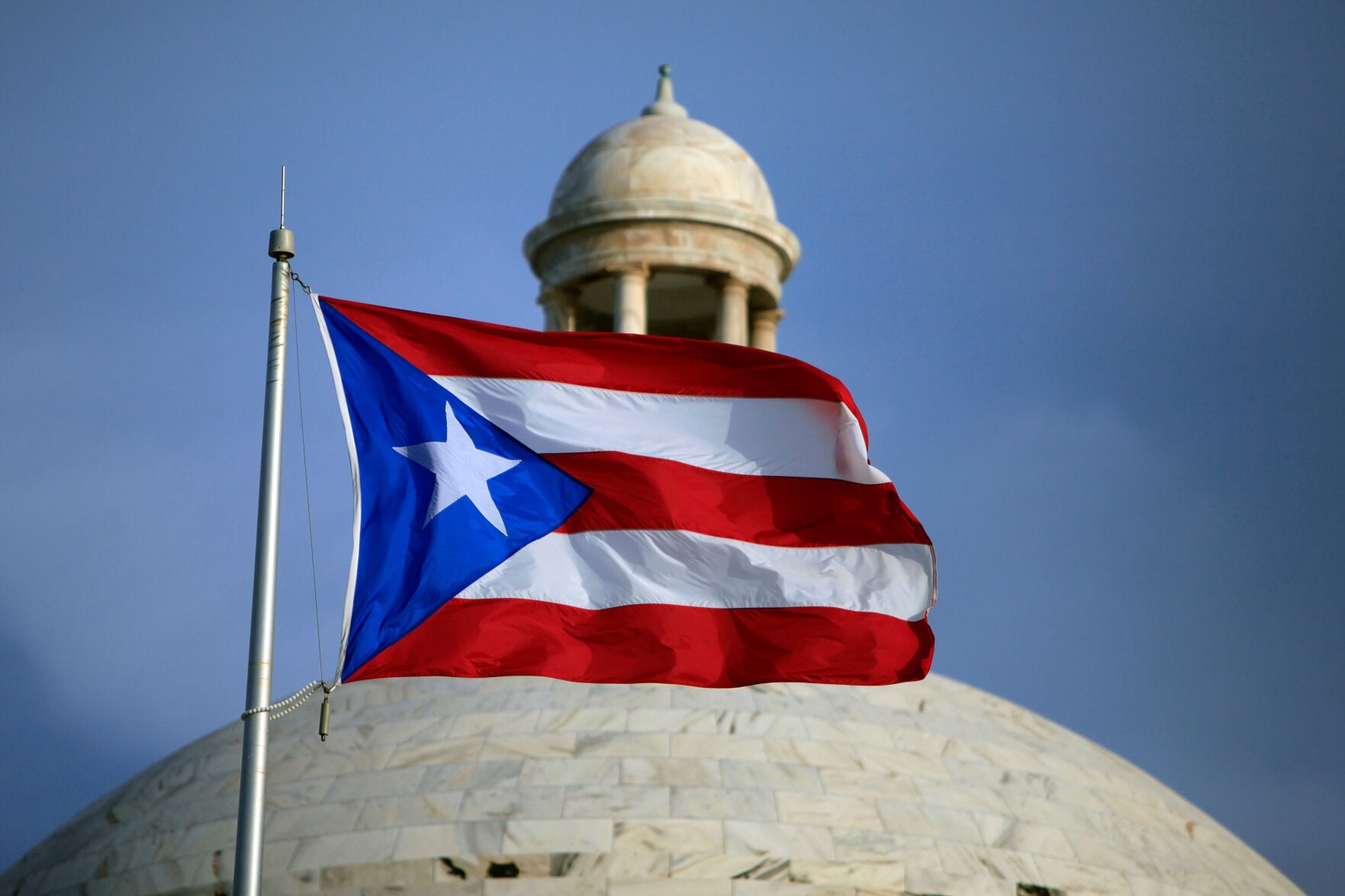
Robert F. Mujica Jr., the board’s executive director, emphasized the urgency of reaching an agreement. He stated that resolving the power company’s debt “is essential to Puerto Rico’s recovery — to the reliable, affordable electricity and the new investment its residents and businesses deserve,” while also noting that “Puerto Rico must be able to close this last chapter of its fiscal crisis and move forward.”
The Puerto Rico Electric Power Authority has been attempting to restructure its debt for roughly a decade. The struggle intensified after the U.S. Territory announced in 2015 that it was unable to pay its more than $70 billion total debt load. That announcement prompted Congress to create the federal control board in 2016. A year later, Puerto Rico’s government filed for what became the largest municipal bankruptcy in U.S. History.
Since that bankruptcy filing, the board and bondholders have been at odds over compensation, with multiple mediation attempts failing to produce a consensus. The ongoing dispute has centered on disagreements about how much creditors should receive in a restructuring plan. Some bondholders have continued to demand far higher payments than what the board considers sustainable for Puerto Rico’s residents and businesses.
The board has acknowledged that it has not yet identified the source of funds to finance the proposed settlement. This uncertainty has raised concerns among residents and business owners, who worry that the costs could be passed along to consumers through higher electricity rates. Already, Puerto Rico’s power bills are among the highest in any U.S. Jurisdiction, despite chronic outages that continue to plague the island. These outages have been attributed to the dilapidated state of the electrical grid and aging power plants that have suffered from decades of underinvestment due to financial constraints.
The new settlement proposal comes as the board continues to make progress on its broader mandate to restructure Puerto Rico’s finances. The board noted that previous agreements reached with several creditors and some bondholders in the power company’s case remain in place. Overall, the board has completed 12 debt restructurings for Puerto Rico’s government, eliminating more than $55 billion in debt payments over a 40-year period, though the power authority’s restructuring remains the most challenging.
The power authority’s debt problems reflect decades of mismanagement and political interference that led to chronic underfunding of infrastructure maintenance. The company’s aging fleet of diesel-powered plants and neglected transmission and distribution network have made it difficult to provide reliable service. Compounding these challenges, the territory’s power system was severely damaged by Hurricane Maria in 2017, requiring massive repairs and investments that stretched the already fragile utility further.
The settlement offer reflects an effort by the board to balance competing interests. Advocates for restructuring that is favorable to creditors have argued that electricity rates should be set high enough to pay down more of the utility’s indebtedness. The board, meanwhile, has argued that such rates would be economically unsustainable for Puerto Rico’s residents and businesses, particularly given that the island’s economy has struggled to recover from the fiscal crisis. Analysts and observers have also noted the role of hedge funds and other investment firms that have acquired significant portions of PREPA’s distressed debt, sometimes at steep discounts, creating situations where the return expectations may be disconnected from what Puerto Rico can realistically afford to pay.
The case remains before federal court, which has urged the parties to continue negotiations. Whether the new $3 billion proposal will be sufficient to bring holdout bondholders to the negotiating table and finally resolve this chapter of Puerto Rico’s ongoing fiscal crisis remains to be seen.