

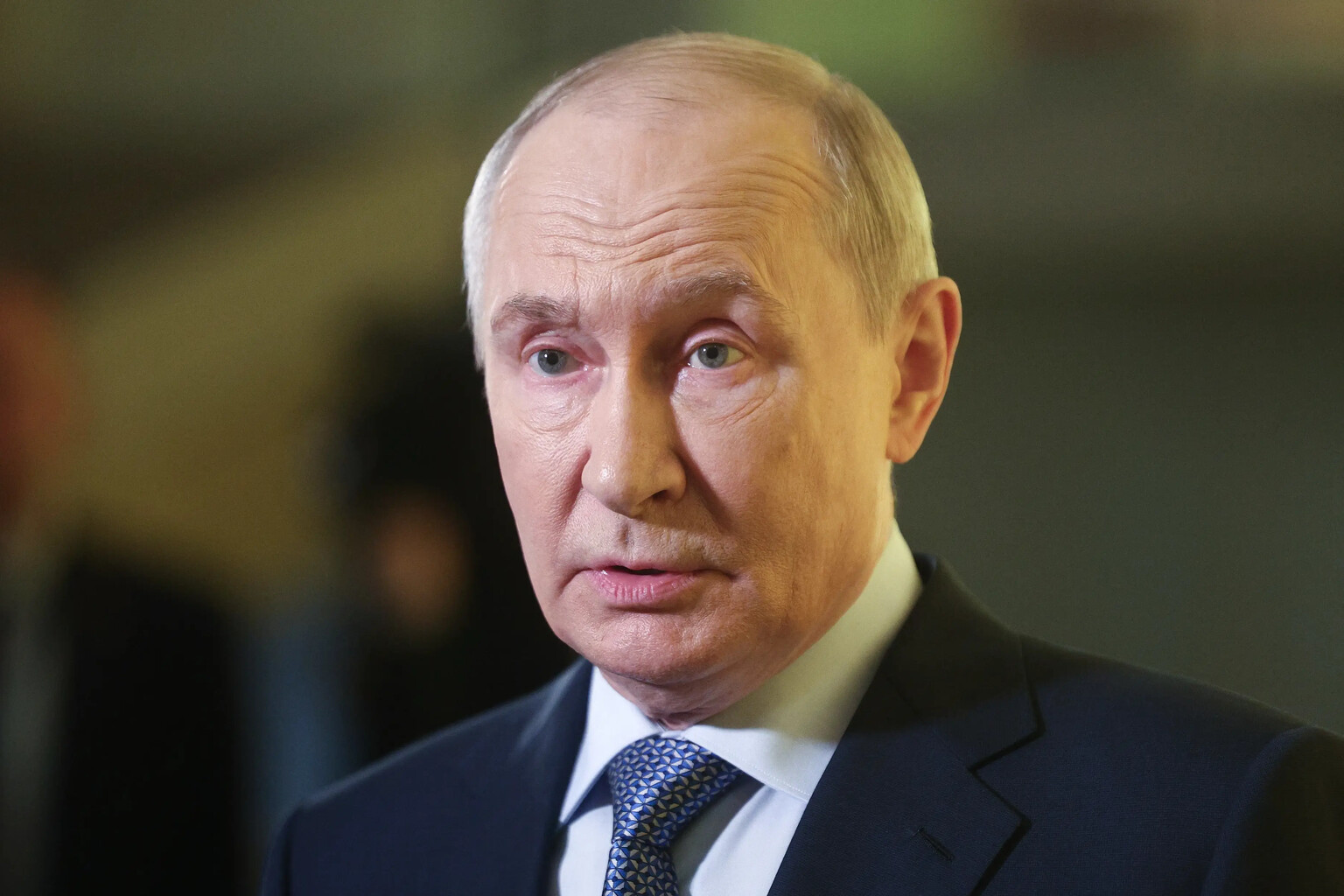
Russia has formally warned NATO that it would deploy nuclear weapons if the alliance attempts to isolate its Baltic exclave of Kaliningrad.
The threat arrived in a diplomatic note delivered to NATO headquarters, where spokesperson Allison Hart, confirmed receipt and said the alliance had already fired back a response. The document accused NATO of pursuing a “dangerous and reckless course” that carried “high risks of the outbreak of a direct armed conflict,” and it explicitly raised the prospect of Russia striking member states “right from the outset.”
The note’s core warning stood as its own blunt paragraph: “Russia will be ready to use the entire arsenal of forces and capabilities at its disposal, including nuclear weapons, in order to defend its territory should NATO countries undertake any attempt aimed at isolating the Kaliningrad Region from the rest of the country.”
Kaliningrad sits wedged between NATO members Poland and Lithuania on the Baltic Sea, hosting Russia’s main Baltic navy base and significant military infrastructure. The exclave’s geographic isolation has long made it a flashpoint, but the explicit nuclear threat marks a sharp rhetorical escalation.
Hart, in NATO’s reply, pushed back hard on Moscow’s framing. “I can confirm that Russia sent a non-paper to NATO and that we have sent a response, noting that NATO is a defensive Alliance and none of our activities or exercises pose a risk to any part of Russia,” she said. She continued: “We strongly denounce the threat of force, including any irresponsible nuclear rhetoric. We call on Russia to end its unprovoked war in Ukraine.”
NATO’s written response carried the same firm tone: “We call upon the Russian Federation to end its unprovoked full-scale invasion of Ukraine. We urge the Russian Federation to refrain from increasingly reckless behaviour towards the Allies and to cease its irresponsible nuclear rhetoric.”
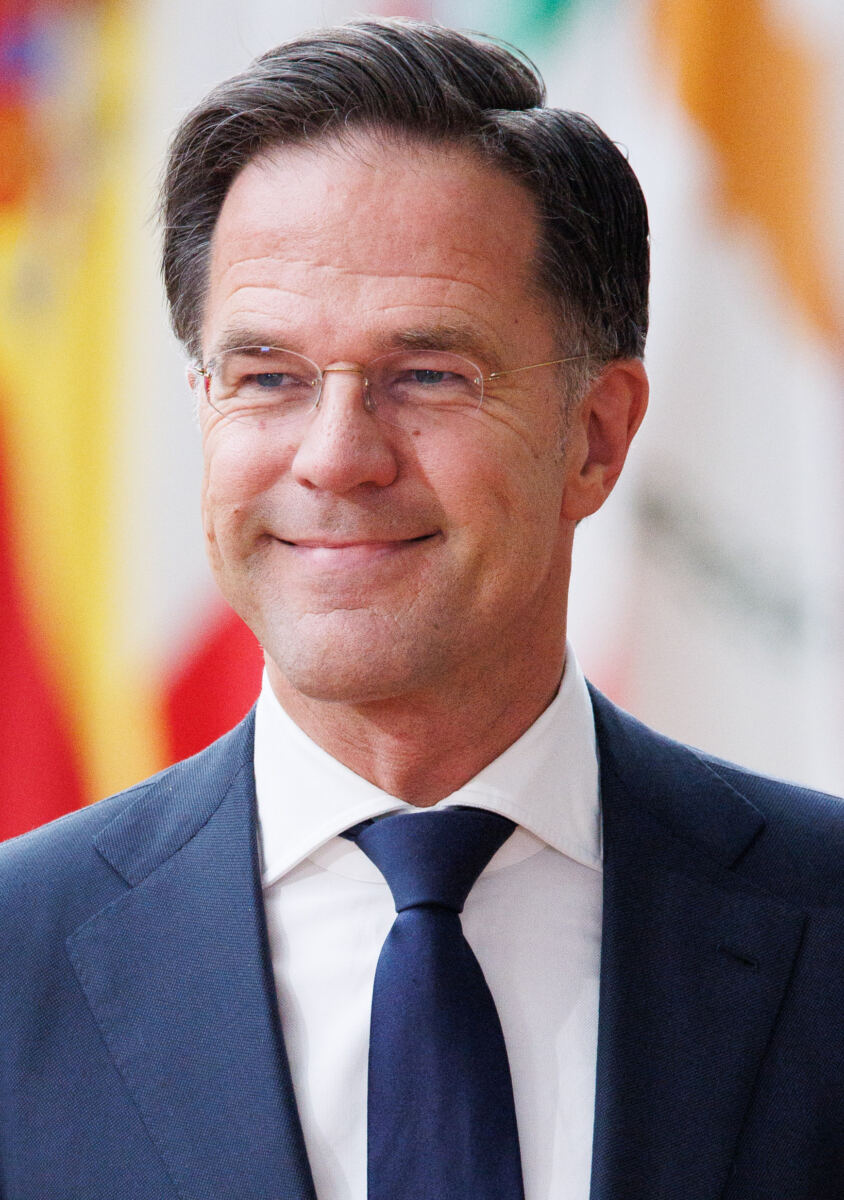
NATO Secretary General Mark Rutte addressed the threat directly at Euronews’ Defence and Space Summit in Brussels, dismissing it even as he condemned the language. “We are a defensive alliance,” he said. “Stop the nuclear threats. This is absolutely not called for and not helpful. And particularly stop the war in Ukraine, which is an unprovoked war of aggression against Ukraine. So we have been clear in our reaction, which was short and concise.”
Asked whether he considered the nuclear warning a genuine risk, Rutte was categorical: “No, it’s not. Putin knows that he can never win [against] NATO, so I don’t take this that seriously.”
Not all European officials shared Rutte’s dismissal. A senior European defence official, speaking to the outlet on condition of anonymity, took a darker view: “[This is the] first time since [the] Cold War that Russia is threatening us like this. So this is serious.”
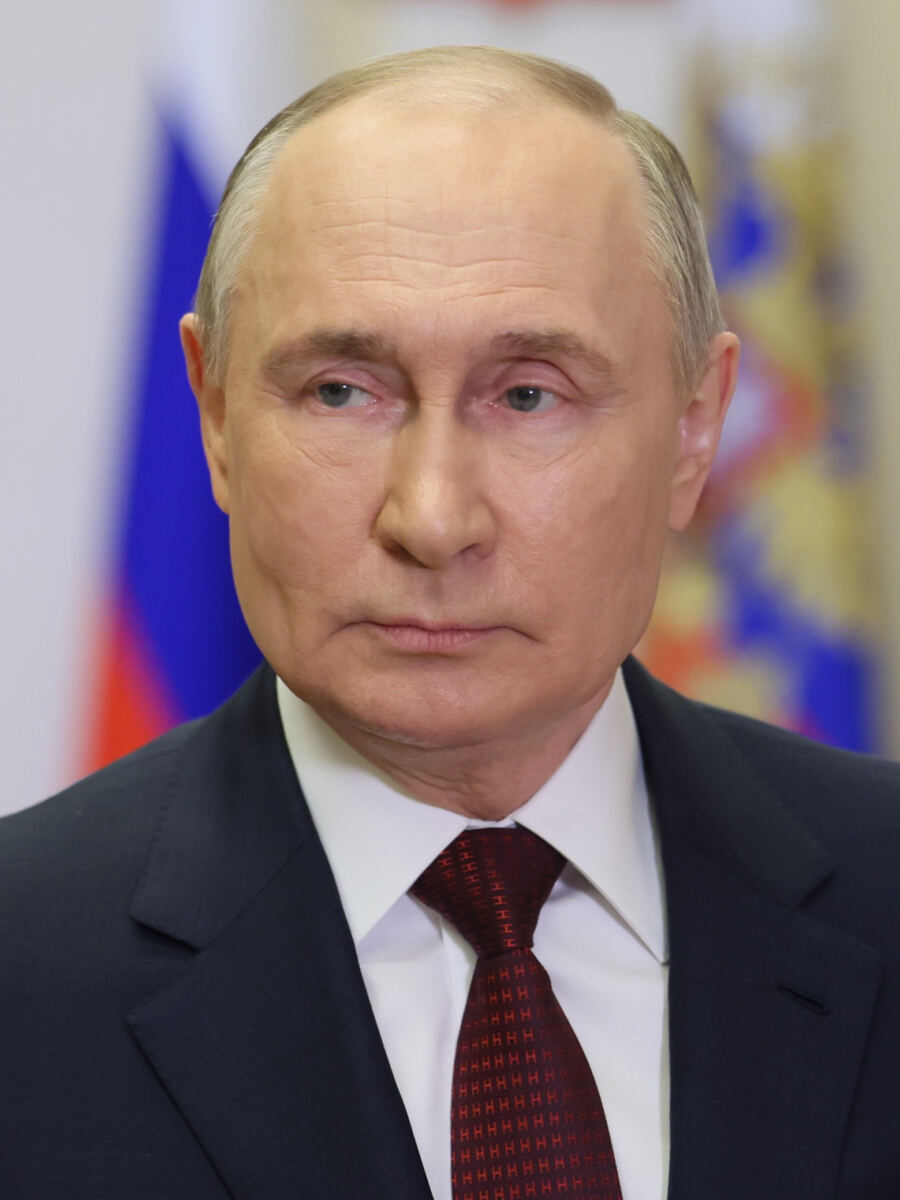
The nuclear warning lands alongside fresh evidence of Moscow’s military buildup. Russia revealed plans to hike defence spending to more than £150 billion next year, roughly 27 percent above its original budget and the largest outlay since launching its full-scale invasion of Ukraine in 2022. The figures surfaced in a draft budget scheduled for submission to the Russian parliament on 1 October.