

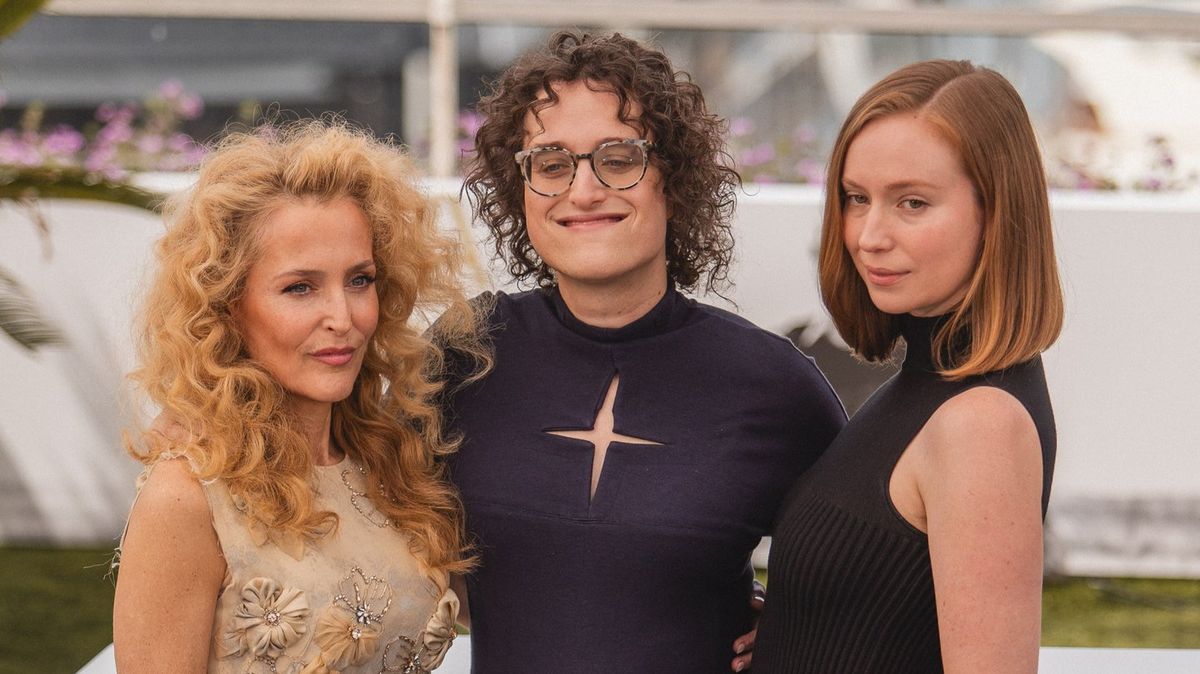
The Cannes Film Festival has officially begun for 2026, and an unexpected standout has already caught the industry’s attention—earning a six-minute standing ovation at its debut.
Jane Schoenbrun’s latest feature, Teenage Sex And Death At Camp Miasma, drew an enthusiastic response at its world premiere on Wednesday night, where it launched this year’s Un Certain Regard lineup.
Led by Gillian Anderson and Hannah Einbinder, the film imagines yet another revival of the notorious Camp Miasma slasher series. Einbinder plays the newest director tasked with rebooting the franchise, only to become intensely fixated on the original “final girl” character portrayed by Anderson. That obsession pushes the project into stranger territory—equal parts slasher, psychosexual spiral, and simmering sapphic tension.
In the wake of the premiere, early reactions focused on the film’s big, audacious set pieces, with audiences responding to its intentionally heightened violence and its playful twist on familiar horror beats—blood-soaked spectacle included.
Even Einbinder appeared caught off guard by the length of the applause, joking: “OK, what should we do now?” as the ovation finally began to fade.
Before the film rolled, Schoenbrun—who is transgender—addressed the crowd and opened with a reference to Drake.
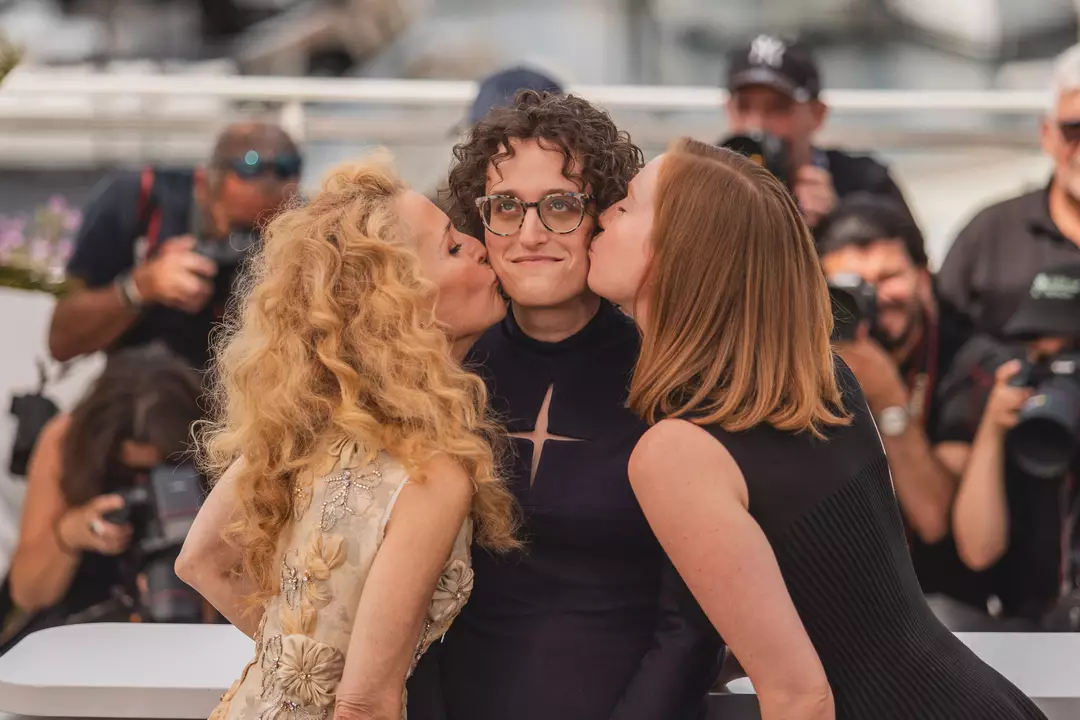
“There’s this song by Drake called ‘Started From the Bottom,’ and it goes, ‘Started from the bottom, now we’re here,’” they said. “It’s unbelievable, I can’t believe we’re standing up here, I can’t believe I’m standing up here in a room full of people who are here to watch our movie.”
Einbinder followed by spotlighting the wider team behind the film: “I’m grateful to all these people up here and all of our collaborators here in this room. There are so many other incredible collaborators who really poured their heart and soul into this film. I hope everyone feels ready to laugh, ready to have fun, join in on a communal experience and kind of be one tonight with each other. I’ll see you on the other side.”
Anderson also shared a few remarks, lightly poking fun at her lengthy time in the business. “This is my first time in Cannes with a film, after a few 100 years of being in the industry, and I’m so honored to be here with this particular film.”
She continued: “I’m so proud of it, and I’m proud of what [Schoenbrun has] created with all of the extraordinary team. And yeah, it’s an incredibly special moment, so thank you for inviting me to the party.”
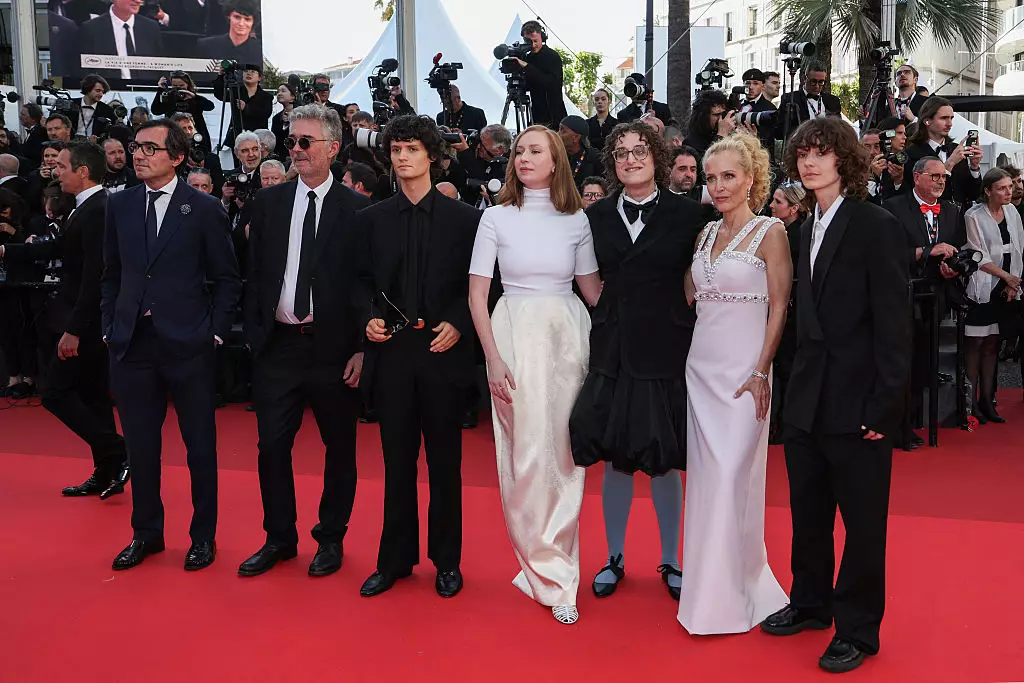
Camp Miasma marks Schoenbrun’s newest entry following acclaimed work on We’re All Going to the World’s Fair and I Saw the TV Glow. This time, the filmmaker turns to the slasher template with the aim of reshaping it—keeping the crowd-pleasing thrills while pushing the genre into more personal, contemporary territory.
“This movie was very consciously designed to be fun … and to bring in a lot of people to have a discussion about sex and gender and overcoming trauma,” Schoenbrun told The Hollywood Reporter ahead of the festival.
“I don’t know any other movies — certainly any other Hollywood movies — that are having that conversation this way, from this perspective.”
Discussing the film’s influences—both from classic horror and their own experience—they pointed to a recurring archetype and how it has historically been framed on screen: “This image of the trans monster kept coming up, whether that be Norman Bates or Buffalo Bill or Frankenstein as a constructed body, and there was this lineage of trans people having really complicated feelings about those movies.
Schoenbrun then added: “In one sense, those are the places where they saw representations that felt familiar or comforting in some way to their own experiences — but also, those movies are super f—ing transphobic and problematic.”