

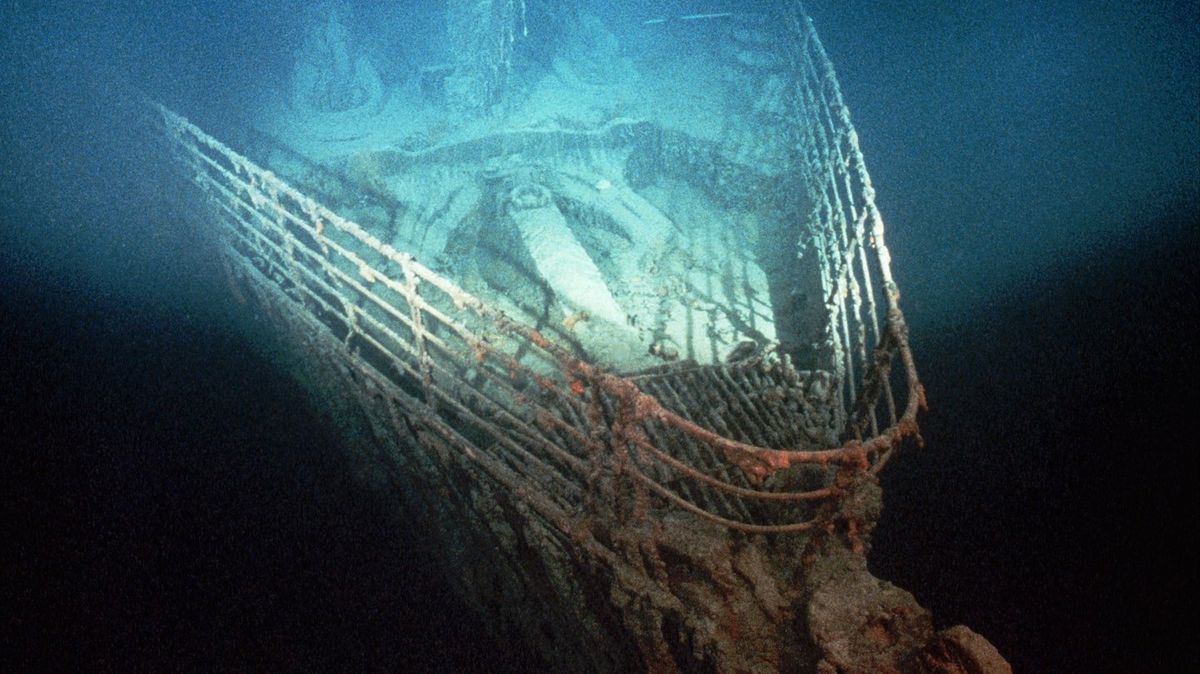
More than a century after the Titanic sank to the bottom of the Atlantic Ocean, one detail continues to baffle people who come across images of the wreck: the fully intact champagne bottles.
At roughly 3,800 metres below the surface, sitting under immense ocean pressure, the bottles can still be seen looking sealed and surprisingly undamaged.
So what explains it?
The question has gripped scientists, historians, and curious observers for years, and interest surged again after the Titan submersible implosion in June 2023 renewed public attention on what extreme depth pressure can do.
As one user in the Facebook group the Journal of Scientific Shitposting put it: “Remember how last year the Titan submersible got insta-crushed going partway down the journey to see the wreck of the Titanic? So how did a simple glass bottle filled with champagne not shatter?”
The explanation comes down to how pressure behaves, what champagne bottles are designed to handle, and how conditions during the sinking likely changed what was happening inside the bottles.
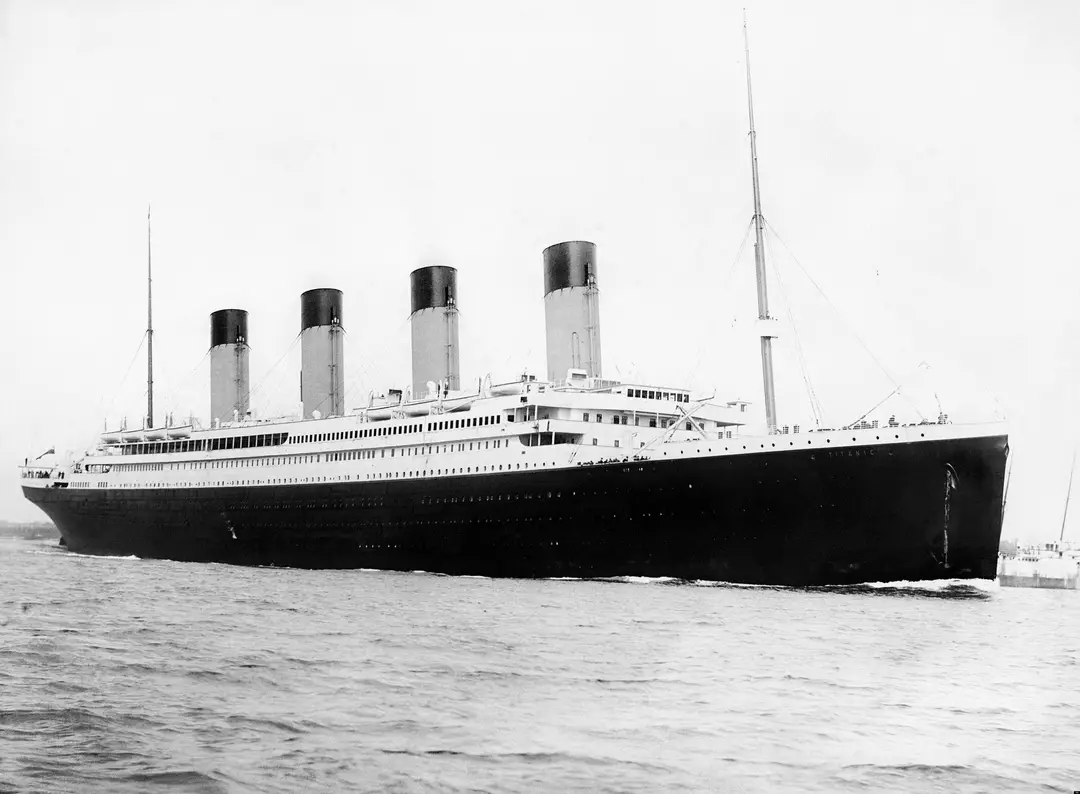
An implosion happens when external pressure far exceeds internal pressure, forcing a structure to collapse inward as the pressures equalise.
Some parts of the Titanic were vulnerable to this: any enclosed spaces containing air could be crushed as the ship descended, while areas where air could escape were more likely to avoid catastrophic pressure differentials.
Champagne bottles start with an advantage because they’re built to contain pressurised liquid. Carbon dioxide inside creates internal pressure of about 6 bar, comparable to the pressure around 60 metres underwater. Modern champagne bottles can tolerate up to around 20 bar, meaning that during the early part of the descent they weren’t necessarily facing the kind of pressure imbalance that causes instant failure.
Of course, the wreck lies at about 381 bar of pressure—well beyond what a glass bottle could resist if it remained sealed with low internal pressure. That’s where the cork (and time) likely matters most.
YouTube Channel The Dropzone explained: “I reckon all the seals have already been compromised and the pressure inside equalised with the pressure outside when the ship sank on its way down back in 1912.”
Put simply, seawater could have gradually seeped past the cork, slowly balancing the pressure inside the bottle with the pressure outside. Once there’s no longer a major pressure difference, the bottle is no longer being “crushed” by an imbalance—so it can remain intact even at extreme depth.
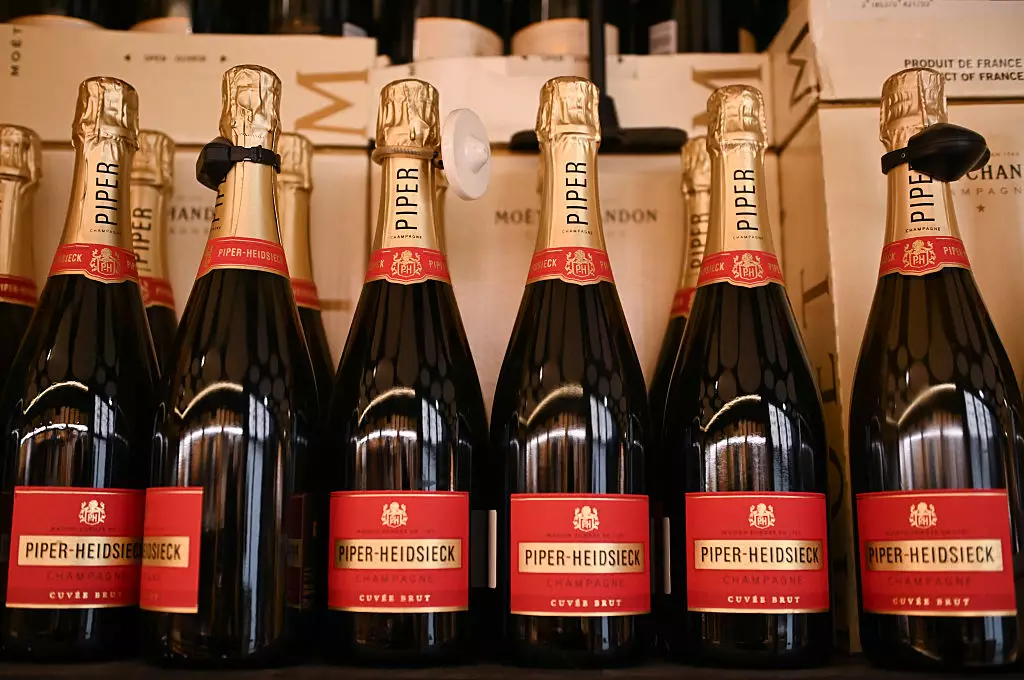
What’s more, the liquid inside might not be completely destroyed. A well-known example surfaced in 1998, when 2,000 bottles of 1907 Heidsiek & Co. Monopole champagne were recovered from a Swedish freighter sunk by a torpedo in 1916, after spending 82 years in very similar deep, cold conditions.
Heidsiek’s exports director at the time, Laurent Davaine, said the champagne “still shows an amazing balance and beautiful golden hue with the effervescence still present.”
The deep ocean’s stable cold temperatures and total darkness can act like a natural cellar—helping preserve wine and champagne far better than many people would expect.