

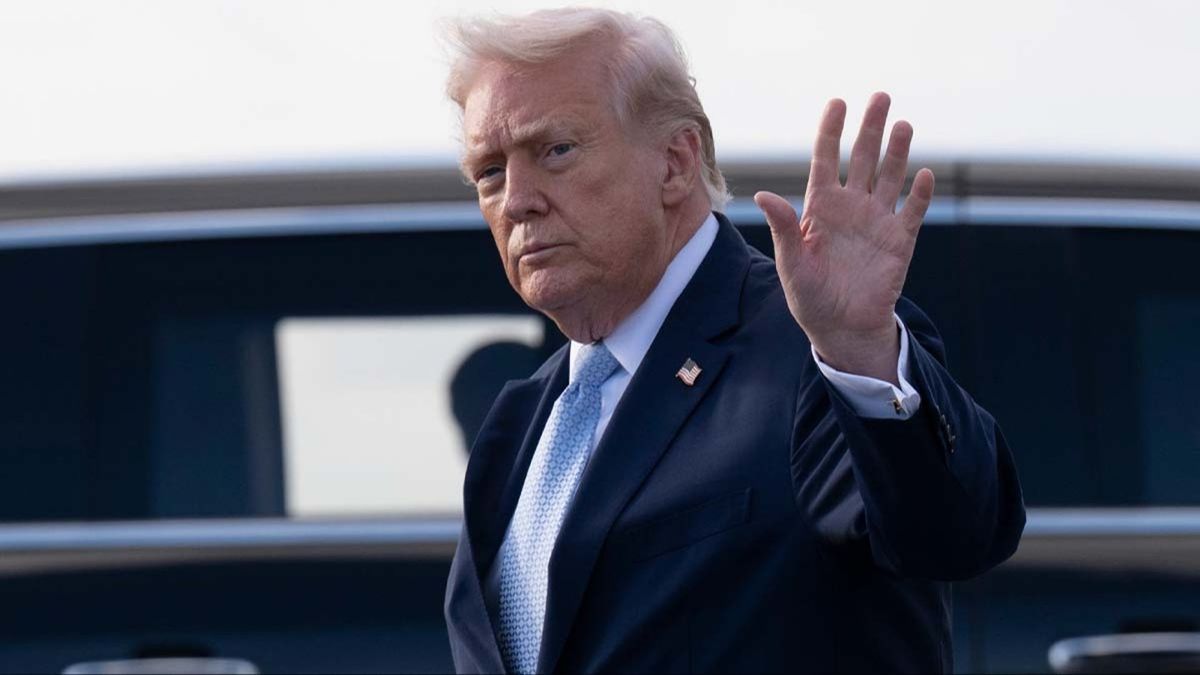
Household energy bills and the cost of oil look likely to stay elevated for a while, even after the president said on Monday that there had been ‘productive conversations’ with Iran about a ‘complete and total resolution of our hostilities’.
Brent Crude, the global benchmark used to price much of the world’s oil, is still holding above $100 a barrel. Prices briefly dipped when Donald Trump said talks were in progress, though Iran strongly rejected that claim.
Even if the White House manages to secure a deal that de-escalates the fighting — which has grown more severe than officials initially anticipated after the strategically vital Strait of Hormuz was shut — motorists and households shouldn’t expect a quick return to the pre-war price environment, when Brent hovered around $70.
AAA’s gas price tracker currently puts the national average at roughly $4 a gallon, while drivers in California are paying up to about $5.80. Several factors suggest those levels could persist.
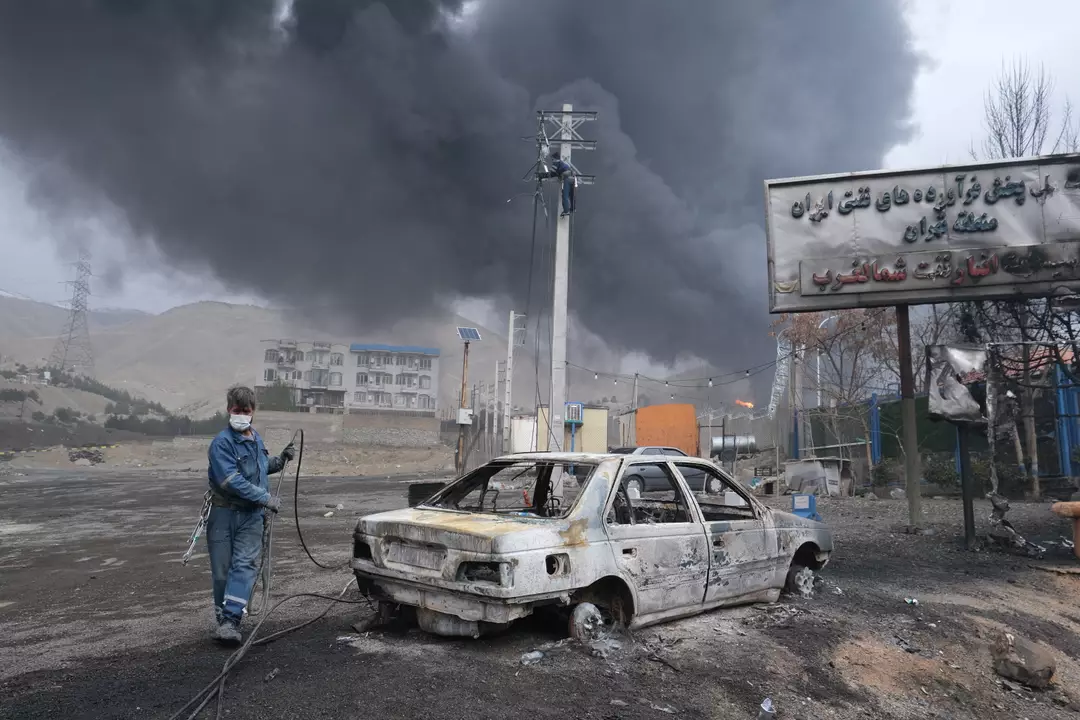
A major near-term risk to output across the Gulf is the growing threat posed by relatively inexpensive Iranian Shahed drones. They can cost only thousands of dollars to build, yet inflict millions in damage if they hit critical facilities across energy-producing states from Saudi Arabia to Oman.
That danger has already translated into disruptions in Saudi Arabia, where Iranian drone strikes reportedly forced the shutdown of two major refineries. The SAMREF facility at the Red Sea port of Yanbu was closed temporarily, while Ras Tanura — among the largest refineries on earth — was taken offline for several weeks.
Those outages alone helped jolt international oil markets. And if the Strait of Hormuz remains closed, producers could be pushed into cutting output even without further drone attacks.
One reason is that rerouting doesn’t fully solve the problem. While Saudi Arabia has worked to move millions of barrels across the desert to Yanbu, the volume — and the mix — of crude, refined products, and natural gas produced around the Gulf cannot be redirected with pipelines alone.
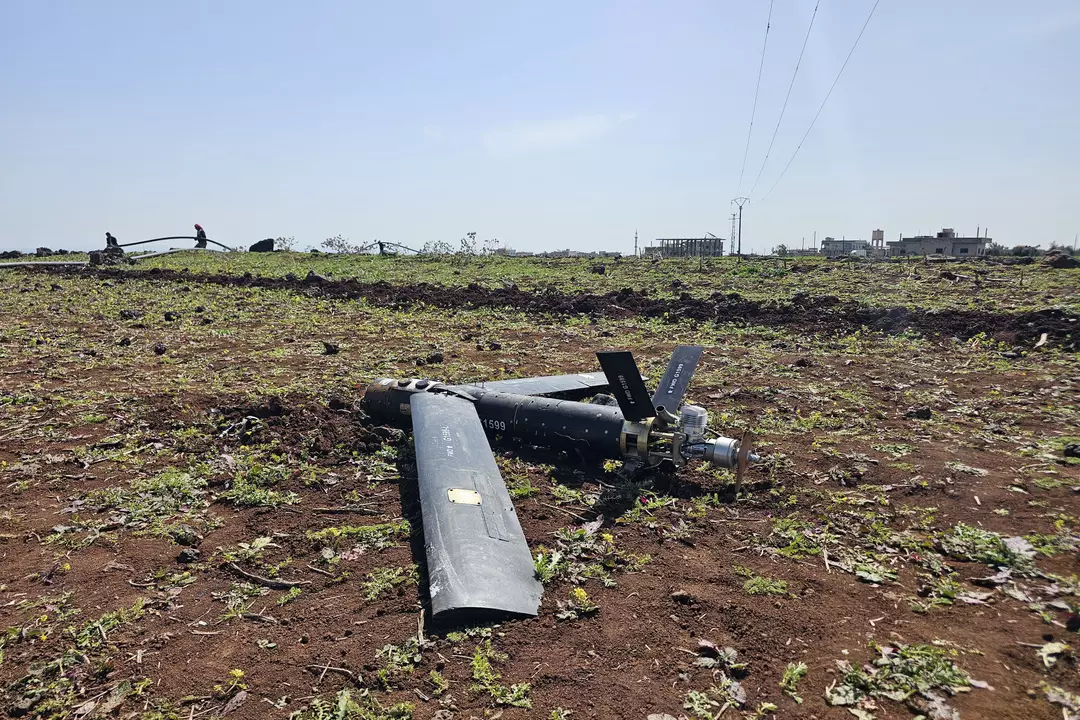
Before the war slashed transits through the strait by 95 percent, around 138 commercial ships passed daily through the narrow channel between Iran and Oman, moving an estimated 20 million barrels of crude plus additional refined products.
Iran has repeatedly shown it can halt traffic through the chokepoint when it chooses, even as US and Israeli strikes hit military targets inside the country, including areas near Hormuz.
That reality helps explain why the president has said the route can only be reopened if ‘me and the Ayatollah’ reach a joint agreement over how the waterway is controlled. However, some analysts believe that outcome remains far from certain.
Helima Croft, head of global commodity strategy at RBC Capital Markets, told CNN that it ‘takes two to TACO,’ referencing a phrase used by some financial analysts meaning ‘Trump Always Chickens Out’ when the economic fallout of his policies becomes clear.
On that basis, she argued that Trump’s optimistic comments about discussions with Tehran should not be read as ‘the beginning of the end’ of the surge in oil prices — largely because it would also require Iran to step back.
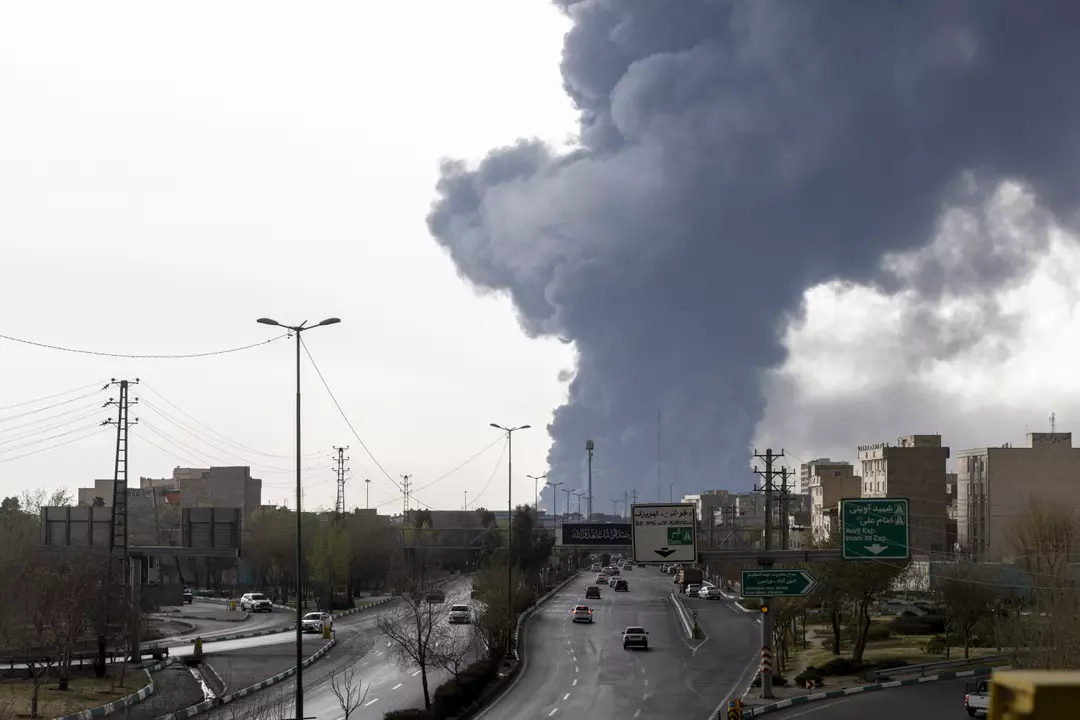
And even in a best-case scenario — if the strait reopened immediately and repairs to damaged Gulf infrastructure followed right after — Americans might still see elevated prices at the pump for a while longer.
That’s because the current disruption is only one layer in a wider set of inflationary forces that have affected global economies over recent years, not solely the latest shock from Tehran’s move to close the Strait of Hormuz, a corridor that carries roughly a fifth of the world’s oil and gas.
The sequence began with the Coronavirus pandemic, when demand collapsed and oil prices briefly turned negative. The pullback in production then created strains for producers — dynamics that reversed quickly as markets tightened.
Later, Russia’s invasion of Ukraine sent energy prices surging as supply patterns across the West were disrupted. It was also the last time US gasoline was more expensive than current levels, when average unleaded climbed beyond $5 a gallon.
Goldman Sachs has warned that the accumulated impact of these shocks could keep gas prices — and broader inflation — elevated well into next year.
They said in analysis last week: “The persistence of several prior large supply shocks underscores the risk that oil prices may stay above $100 for longer in risk scenarios with lengthier disruptions and large persistent supply losses.”