

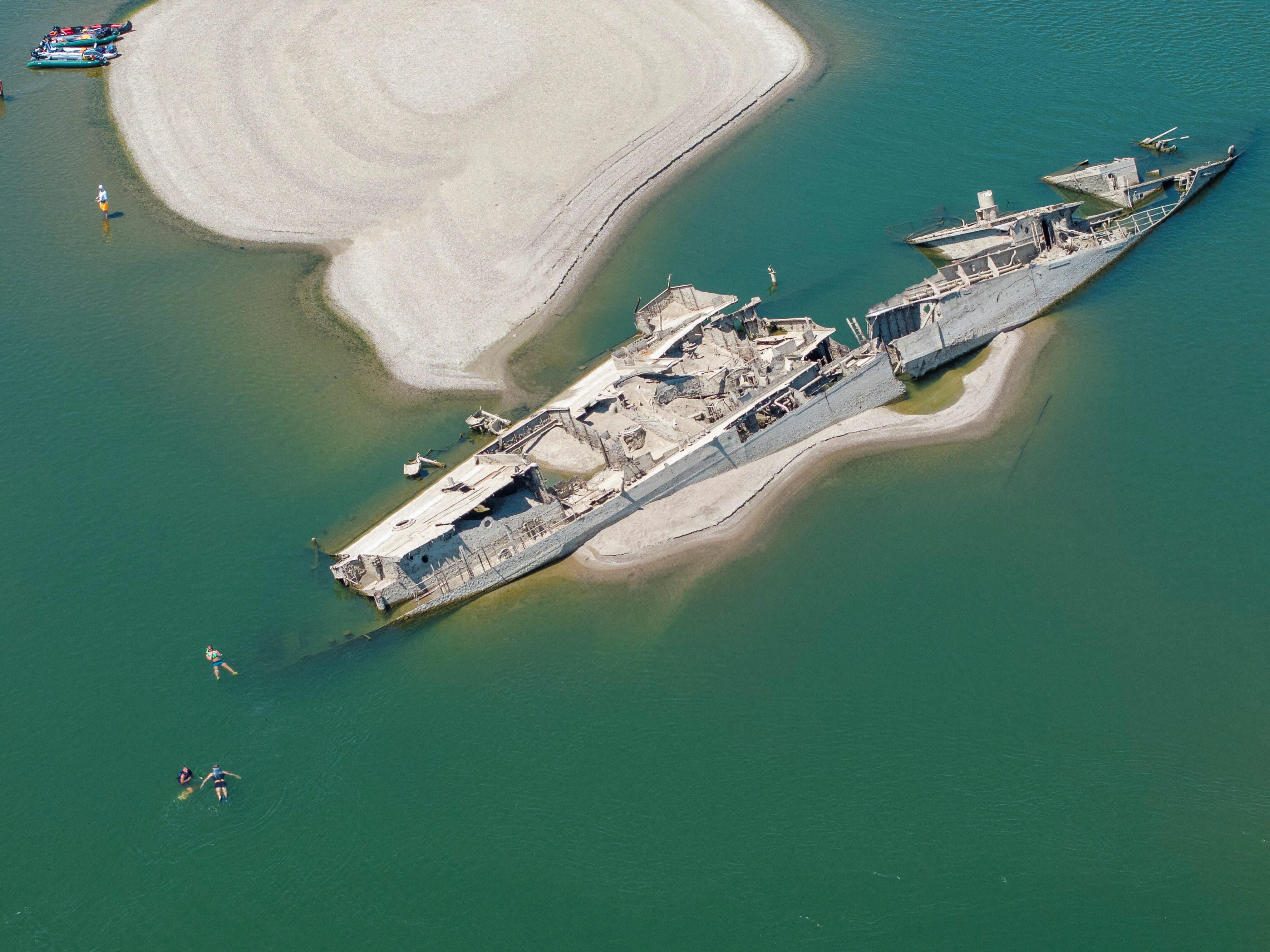
Water levels on the Danube River, the second longest in Europe, have dropped so low because of drought that the hulks of dozens of World War II German battleships — and even the remains of an ancient woolly mammoth — are emerging into view.
In Budapest, the capital of Hungary, the national water authority measured a water level in the Danube of 9 inches (about 23cm) on Wednesday, shattering the previous record low of 13 inches (33cm) set in 2013.
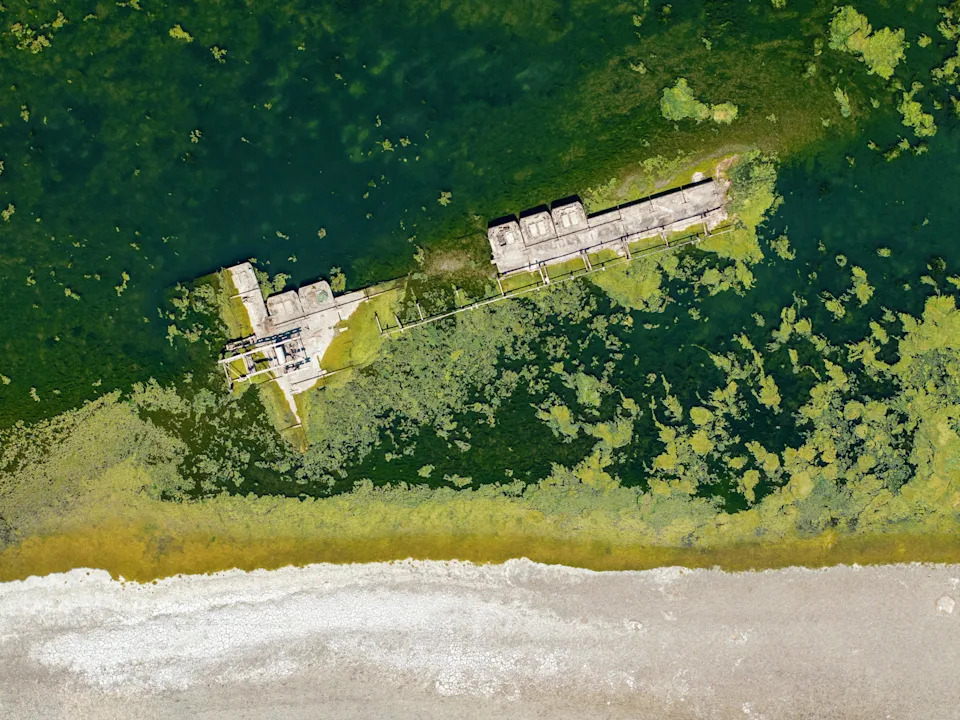
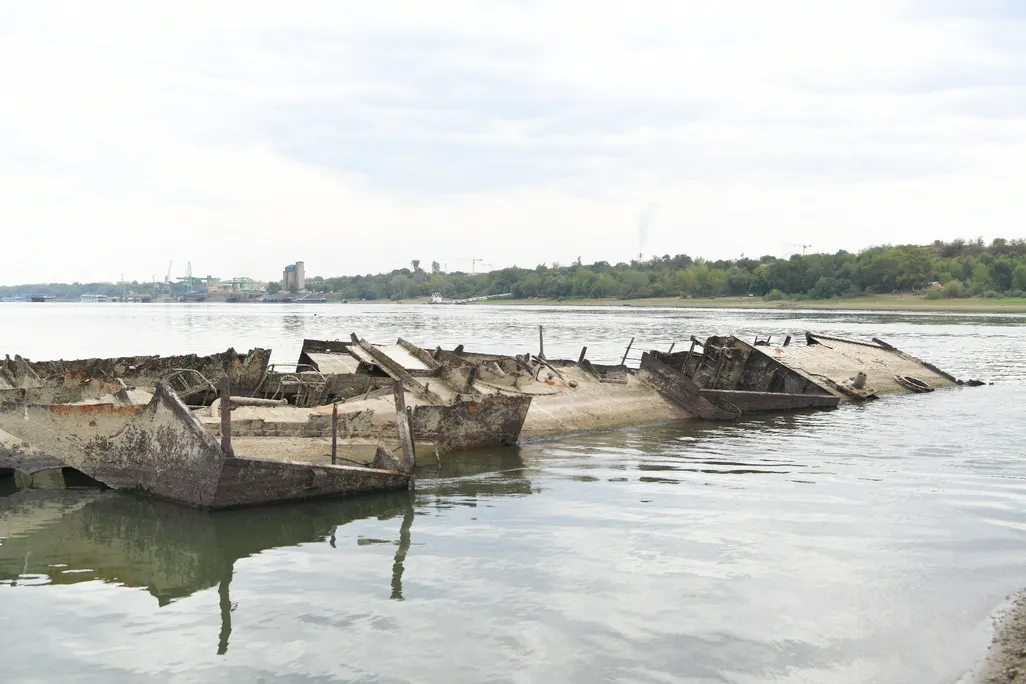
In the middle of the river separating Serbia and Romania, near the Serbian port of Prahovo, a rusty hull is now visible, along with a broken mast where the Nazi flag once flew.
At least 20 World War II wrecks of various sizes are now visible to the naked eye from the banks of Prahovo.
The ships, some still laden with weapons, belonged to Nazi Germany’s Black Sea fleet that the Germans deliberately sank as they retreated from Romania and as Soviet forces advanced deeper into Europe near the end of the war.
Historians say up to 200 German warships were scuttled in September 1944 near Prahovo in the Danube gorge as they came under Soviet fire. The idea behind the deliberate sinking was to slow down the Soviet advance in the Balkans.
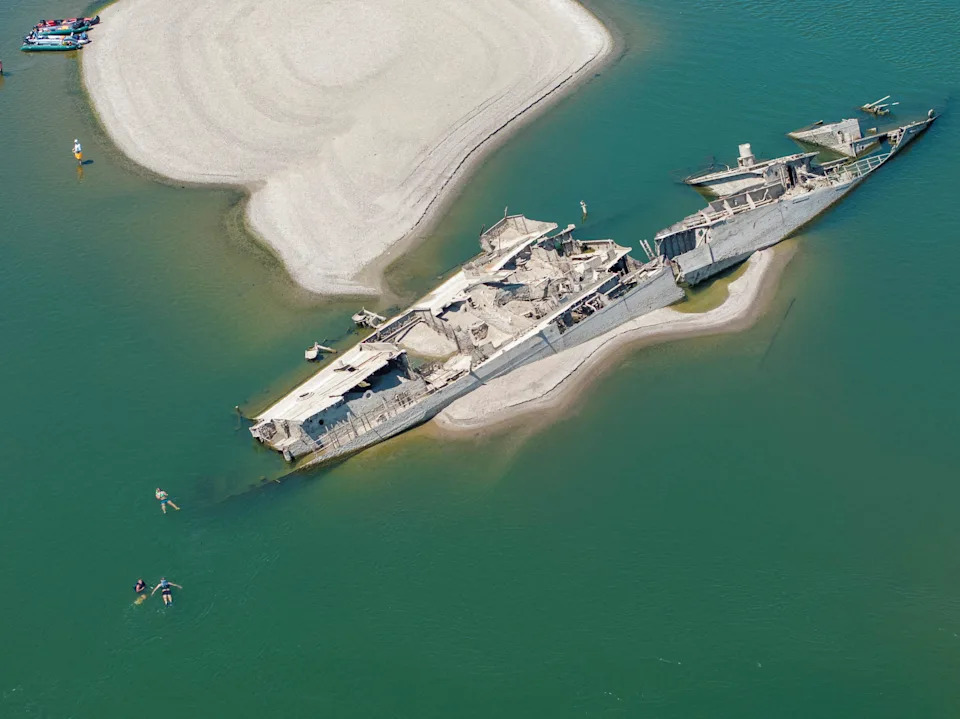
“History has literally emerged from the Danube,” Lea Vidić, the head of the nearby municipality of Lovas, tells TVP World’s Ammar Anwer.
Amateur treasure hunters and magnet-fishers are also taking advantage of low water levels. A man named Zsolt Horváth says he enjoys pulling artifacts like an old radio amplifier and bullet casings from the world wars from the river.
“Having so little water in the Danube is a blessing for this kind of activity, otherwise, it’s a curse,” Horváth tells the outlet.
Ivica Gavrilovic, who has spent his whole life living beside the Danube, said the interest in the wrecks was high but access remained difficult. “People still don’t know how to access the ships themselves,” he said, while taking a family of three out on his small boat.
More than 80 years later, these abandoned shipwrecks remain a significant obstacle for modern ships traveling along the Danube, especially when water levels drop, costing Serbia roughly $5.75 million in losses from disrupted trade and transport each year.
“As you can see, the (big) ships can’t pass anymore,” Krsta Brandic, a Prahovo resident, said the low water levels have almost stopped ship traffic.
In 2024, Serbia and the European Investment Bank launched an initiative to remove 21 ships. Crews needed to work carefully, as sudden movements or exposure to the atmosphere could trigger leftover ammunition to explode.
The operation is expected to continue through 2028.
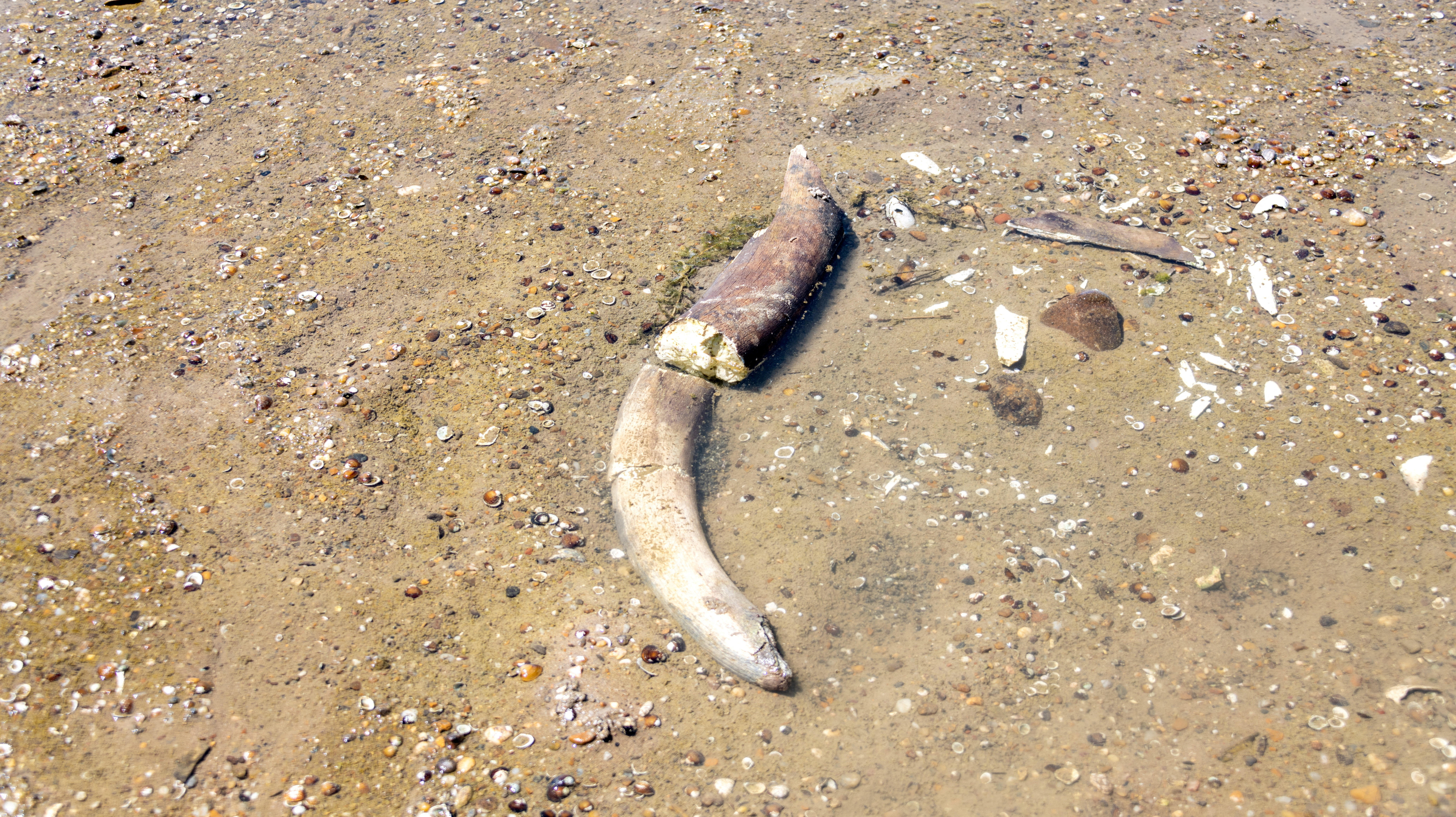
The remains of what’s believed to be an ancient mammoth were discovered Wednesday on the newly exposed riverbed of the Danube in northern Bulgaria, after the river plunged to record lows.
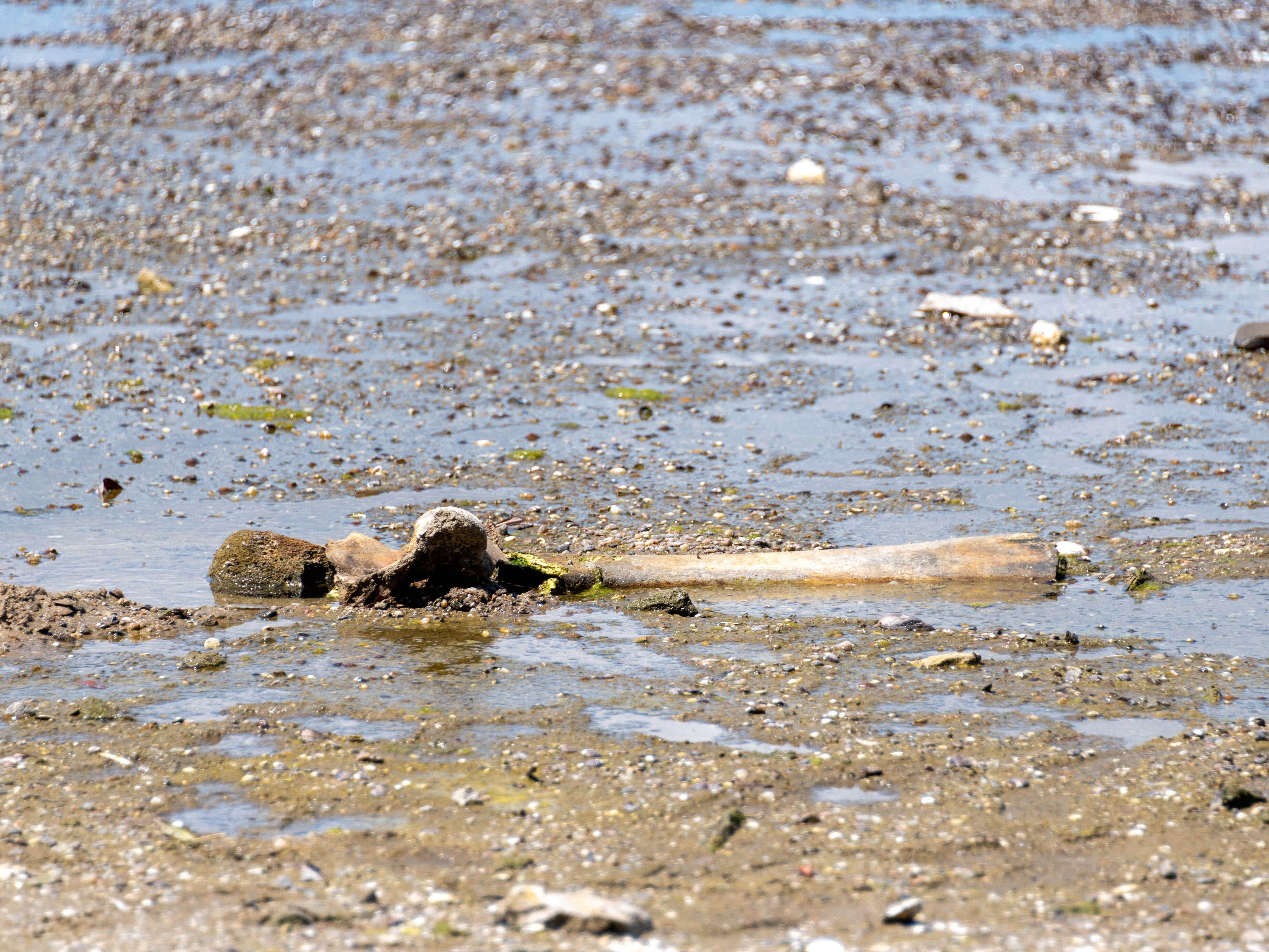
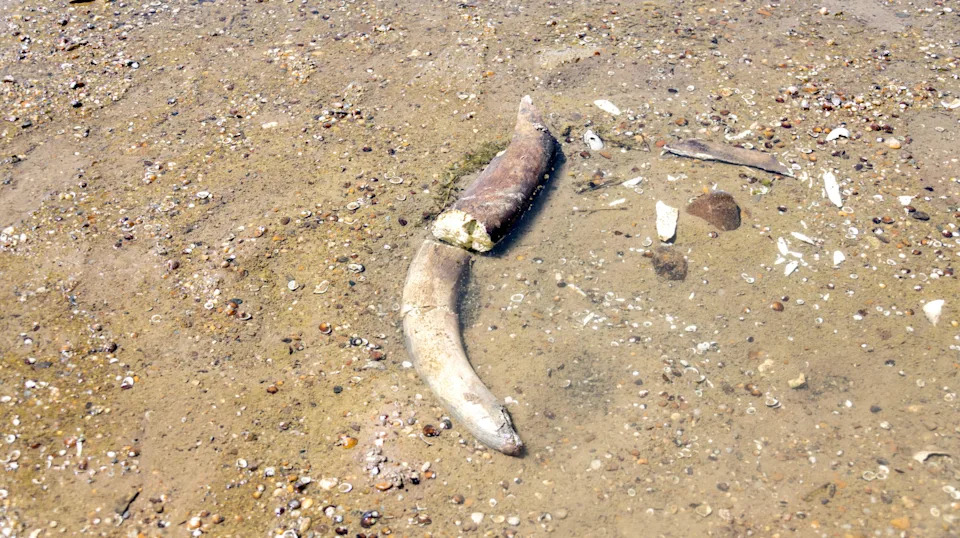
The bone fragments found near the northeastern city of Ruse “very likely” belonged to a woolly mammoth that lived during the Ice Age, said Nikolay Nenov, director of the Regional Historical Museum. Specialists have so far identified a jawbone, fragments of tusks, part of a shoulder blade, and a femur with its articular head among the stash, Nenov said.
“The animal is thought to have been young and the dark color of the bones may indicate that it spent a lot of time in a marshy environment,” he added.
“The bones are an important discovery because they are well preserved and ‘unlike many previous discoveries… Were concentrated in the same place,’ indicating that they all belonged to the same animal, Nenov said.”
He explained that the preliminary hypothesis is that the remains were not carried there by the river’s current.
“The area is now part of the Danube, but thousands of years ago it was probably a marsh,” Nenov said.
The Danube’s record-low water levels have also forced power plants to the brink of shutting down, and governments across Central and Eastern Europe are taking steps to conserve electricity.
Hungary’s only nuclear power plant will shut down for the first time in its history due to record-low water levels on the Danube River, Prime Minister Péter Magyar said Friday, adding that the plant may not come back online for several weeks as the river is expected to continue receding.
The Soviet-built, four-reactor plant at Paks accounts for nearly half of Hungary’s electricity production.
“We are in uncharted territory,” Magyar said in a video address. “As water levels continue to recede, the possibility of shutting down the plant is still there.”
Speaking at a news conference at the plant on Friday, Magyar said further reductions in output were imminent later Friday and that the entire plant will likely be powered down by Tuesday or Wednesday.
Romanian naval forces carried out controlled explosions on the Danube’s Bala canal to divert water flow toward the country’s Cernavoda nuclear power plant.
The Danube River’s water level in Budapest plummeted to historic lows in early August, breaking a previous record set thirteen years earlier.
The Danube also runs through Croatia, where receding water has revealed the skeleton of a cargo ship called the Fulton, which was transporting coal down the river when it sank in 1937.
As authorities struggled to manage the energy crisis, tourism shuttered, shipping ground nearly to a halt, and scientists warned that extreme heat and drought had become the new normal for Europe’s largest rivers.
Each time the Danube drops to record lows — as it did in 2022, 2024, and now dramatically in 2026 — the fleet reappears.
Hungary’s Paks Nuclear Power Plant was expected to remain offline through August 2026.