

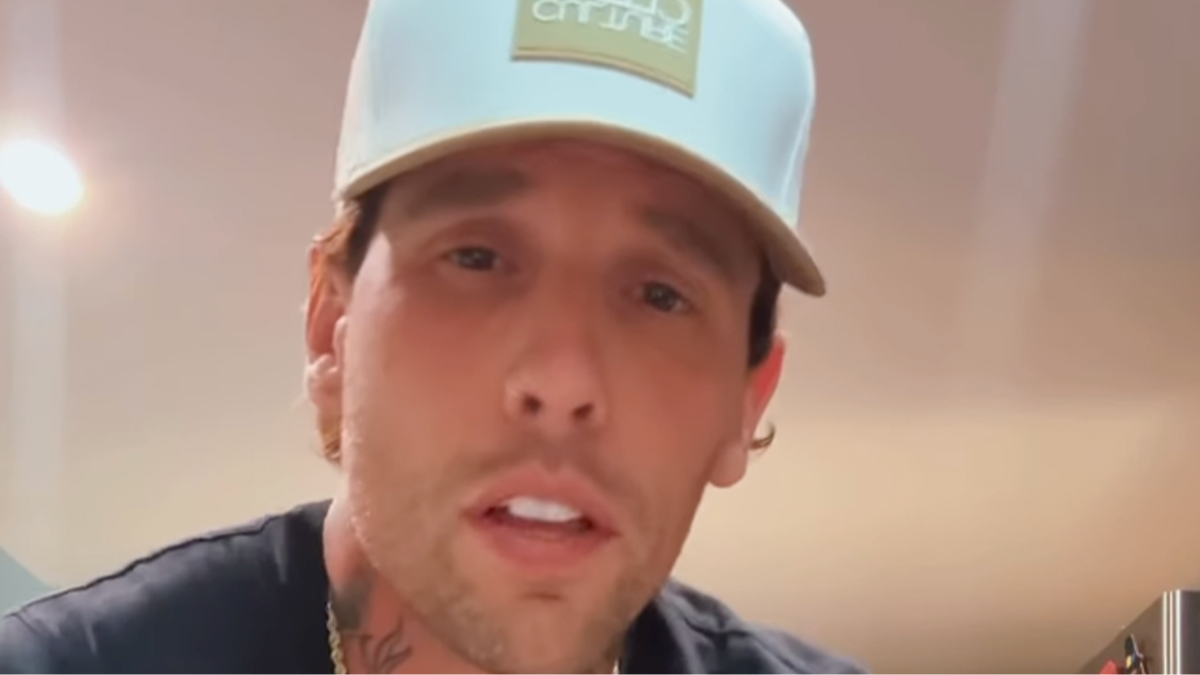
A recovering alcoholic has revealed what the three signs to spot a potential alcoholic are and how you can help a loved one who you think may be struggling with alcohol addiction.
Content creator Corey Warren, who is in recovery, has been documenting his sobriety online and using his platform to share what addiction looked like for him — along with guidance for anyone worried their drinking may be spiralling.
Figures cited by Rehabs UK suggest alcohol dependence remains a major issue in England. The organisation estimates there are 600,000 alcohol-dependent adults, yet only 18% receive specialist support. It also reported 8,274 alcohol-specific deaths in England in 2023, a rise of 4.6% compared with 2022.
When discussing potential warning signs that someone is becoming reliant on alcohol, Warren said one of the biggest early indicators is when people start building “rules” around their drinking — a signal, he argues, that control may already be slipping.

In a video uploaded to Instagram, Warren broke down three behaviours he believes can point to a deeper issue, while also explaining what friends and family can do to offer support. He noted that while modern drinking culture often encourages boundaries — such as taking part in Dry January — having to constantly set conditions for everyday drinking can sometimes hint at a problem.
“Number one. They’re probably creating rules for their drinking. Things like, ‘Only beer tonight’ or ‘One or two and then I’m going home’,” he said.
“If you have to create rules, chances are it’s already broken,” he added.
The second sign, Warren explained, is a major shift in personality once alcohol enters the picture. While some people may drink to relax or feel more confident socially, he said a dramatic change in mood or behaviour should be taken seriously.

“Number two. Their personality… it changes 180 degrees. They’re probably really funny, nice, happy to be around, but then alcohol gets involved.”
He suggested paying attention to sudden emotional swings, particularly if someone becomes intensely upset, volatile, or significantly unlike themselves when drinking.
“They may get overly emotional, sad, mad or even aggressive,” Warren said.
His third point focuses on preoccupation: if someone seems unable to enjoy plans without alcohol, or if drinking is always part of every meet-up, it may indicate dependence rather than casual use.
“And last. They think about drinking even when they’re not drinking,” Warren said.
“They call you all the time to hang out. You might see them a lot but, every time you do, alcohol is involved,” he concluded, inviting followers to follow his sobriety journey.
Warren is far from alone in speaking publicly about sobriety. Ozark actor Jason Bateman has also discussed stepping away from alcohol after conversations at home. He has described past alcohol and cocaine use, and credited his wife, Amanda Anka, with helping him recognise that he needed to make changes.
“Amanda and I definitely had a few negotiations about the point at which the [partying] spigot was going to completely turn off,” Bateman, 57, said in an interview with The Hollywood Reporter, as he said she encouraged rather than ordered him to make changes to his lifestyle. “She’d be like, ‘This drip, drip, drip is annoyingly unpredictable, Jason.’”
Bateman added that Anka didn’t force an absolute ultimatum, and he said he ultimately made the decision himself. He has described himself as “California sober,” explaining he still smokes marijuana, while leaving alcohol behind.