

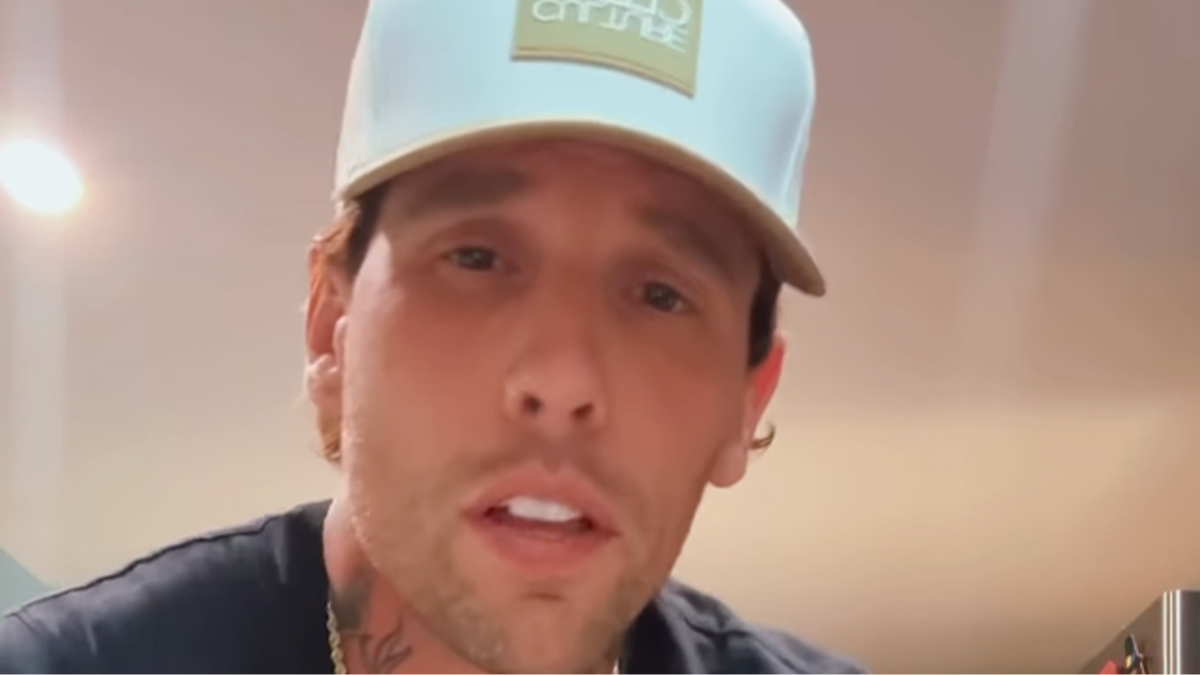
A recovering alcoholic has shared three key signs that could suggest someone is developing an unhealthy relationship with alcohol, along with ways to support a loved one you’re worried about.
Content creator Corey Warren, who is in recovery, regularly talks about sobriety online. Through his posts, he reflects on his own experiences and offers guidance to people who think alcohol may be becoming a problem in their lives or in the lives of those close to them.
When discussing behaviors that can signal alcohol dependence, Warren said one of the earliest indicators is when someone starts imposing strict “rules” on themselves about drinking. While cut-backs and challenges like Dry January are widely normalized, he noted that rule-making can sometimes be less about health goals and more about trying to control something that already feels out of control.

In an Instagram video, Warren laid out three signs he believes people should pay attention to, especially if they’re trying to figure out whether a friend or family member is struggling. The first, he explained, is setting limitations like switching to certain drinks or deciding in advance how much is “allowed.”
“Number one. They’re probably creating rules for their drinking. Things like, ‘Only beer tonight’ or ‘One or two and then I’m going home’,” he said.
“If you have to create rules, chances are it’s already broken,” he added.
The second warning sign, Warren said, is a noticeable personality shift once alcohol enters the picture. While many people drink to relax or be more social, he suggested it’s concerning when someone becomes a completely different version of themselves after drinking.
“Number two. Their personality… it changes 180 degrees. They’re probably really funny, nice, happy to be around, but then alcohol gets involved.”

He added that it’s worth paying attention to big mood swings or behavior changes that show up consistently—particularly if the person becomes deeply upset, highly reactive, or confrontational after drinking.
“They may get overly emotional, sad, mad or even aggressive,” Warren said.
The third and final sign he highlighted is when alcohol becomes central to someone’s social life—even when they aren’t actively drinking. If every meetup, call, or plan seems to involve alcohol, he suggested it may indicate that drinking is occupying more mental space than it should.
“And last. They think about drinking even when they’re not drinking,” Warren said.
“They call you all the time to hang out. You might see them a lot but, every time you do, alcohol is involved,” he concluded, inviting followers to go along on his sobriety journey.
Warren isn’t the only public figure to speak candidly about stepping away from alcohol. Ozark actor Jason Bateman has also discussed his decision to change his habits after conversations with his wife, Amanda Anka, and has described how those talks influenced his choices around alcohol and drug use.
“Amanda and I definitely had a few negotiations about the point at which the [partying] spigot was going to completely turn off,” Bateman, 57, said in an interview with The Hollywood Reporter, as he said she encouraged rather than ordered him to make changes to his lifestyle. “She’d be like, ‘This drip, drip, drip is annoyingly unpredictable, Jason.’”
Bateman went on to explain that their discussions weren’t framed as ultimatums. Instead, he said Anka didn’t push for an all-or-nothing approach, and that he ultimately reached his own decision about what needed to change. He added that he is ‘California sober’ and smokes marijuana, and said she didn’t ‘demand’ he ‘absolve completely’ from substances, but that he arrived at that conclusion independently.