

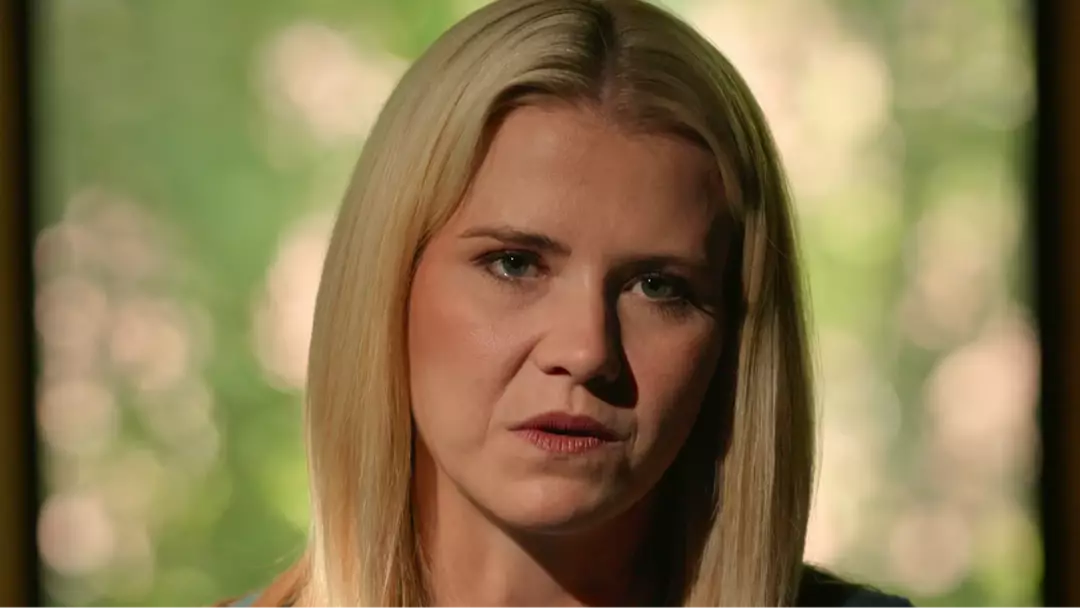
The harrowing ordeal of a 14-year-old girl who managed to escape her captors is the focus of a gripping new documentary.
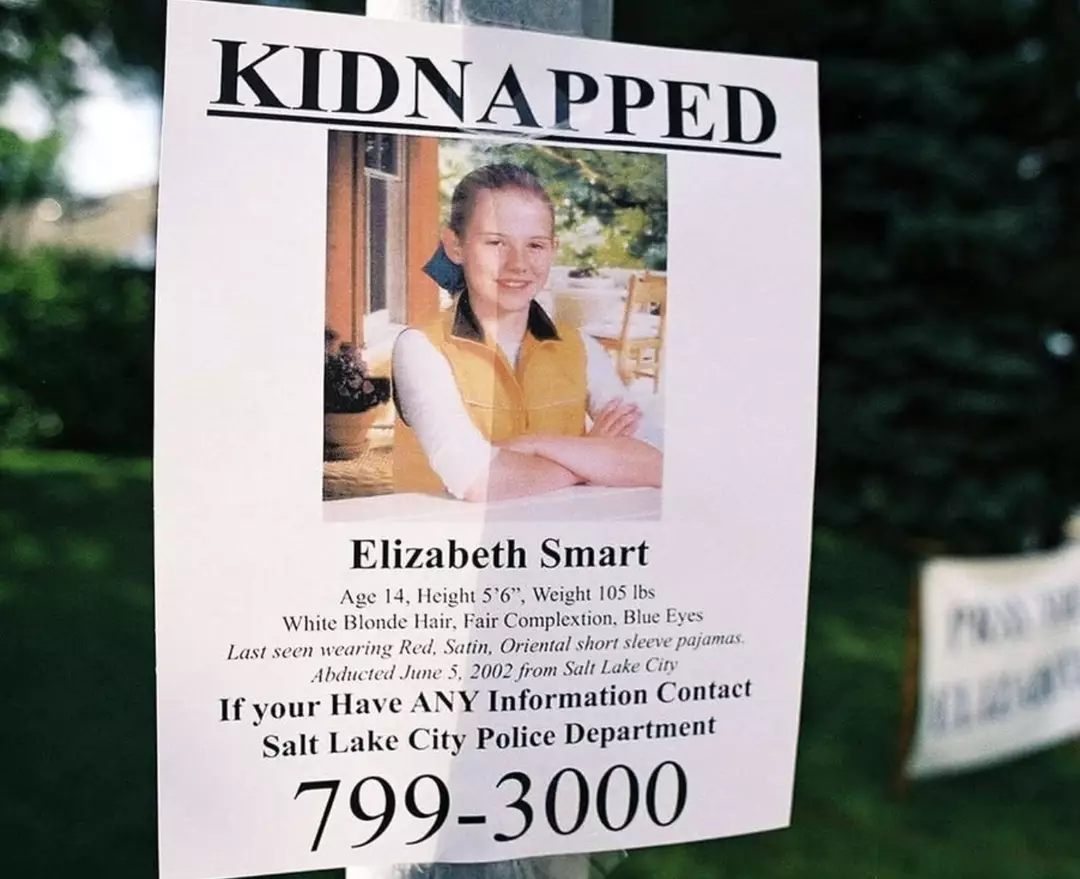
The documentary, Kidnapped: Elizabeth Smart, now available on Netflix, delves into the terrifying circumstances surrounding the abduction of Elizabeth Smart from her bedroom in Salt Lake City, Utah.
On the night of June 5, 2002, Smart, then 14, was abducted by an armed intruder. Her younger sister, Mary Katherine, who was only nine at the time, witnessed the event but was coerced into silence by the abductor.
The search for Smart spanned several agonizing months, with her eventual recovery occurring nine months later. During her captivity, she suffered both physically and mentally.
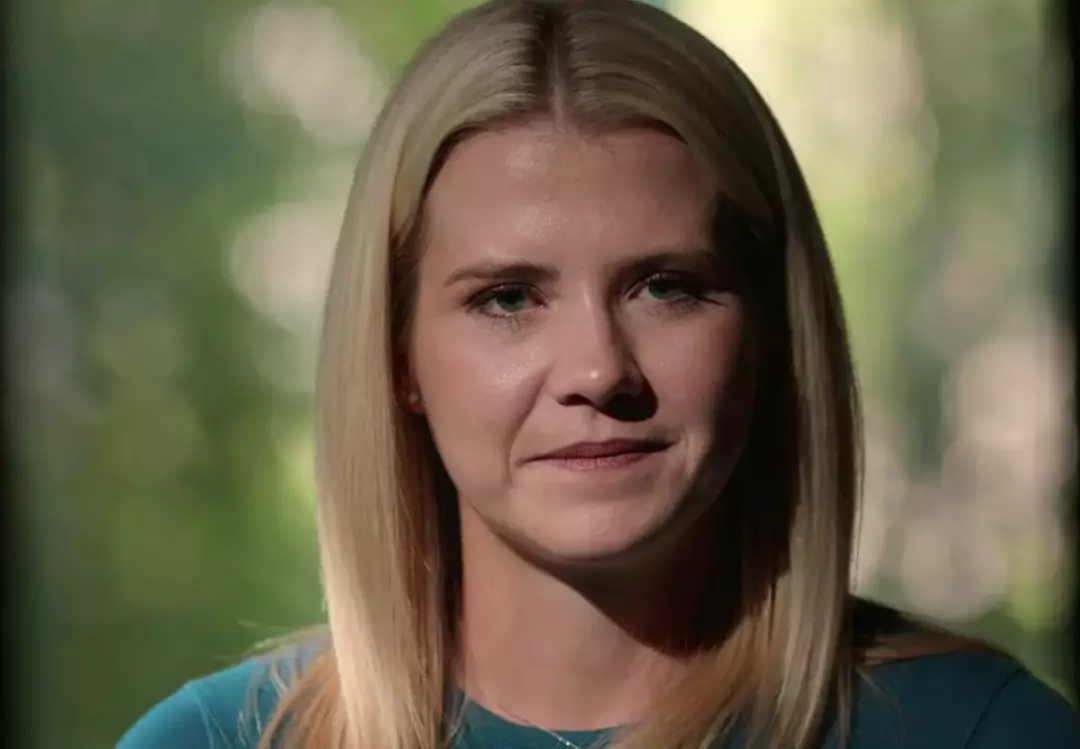
Her captors, Brian David Mitchell and his wife Wanda Barzee, held her in a remote mountain encampment. Mitchell ultimately received a life sentence, while Barzee served 15 years.
Smart recounted how the couple practiced a bizarre form of religion, often venturing into public spaces to proselytize. Mitchell, known as Emmanuel David Isaiah, claimed divine authority for his actions.
Cleverly manipulating Mitchell’s delusions, Smart persuaded him to return with her and Barzee to Salt Lake City. She played on his ego, telling him: “I have this feeling. I think we might be supposed to return to Salt Lake. And I know God wouldn’t really speak to me, but I know if you were to ask him, he would confirm to you whether or not that was the right path.”
She further flattered him: “Because you truly are his servant and you truly are his prophet.”
Upon reaching the city, authorities stopped the trio. Separated from her captors, Smart was able to identify herself as the missing girl.
Despite their remote hideout, Mitchell and Barzee ventured into the city while wearing distinctive robes, with Smart and Barzee donning white headdresses that obscured their faces.
During one outing, a detective approached the group and requested to see Smart’s face, but Mitchell refused on religious grounds.
Reflecting on this encounter, Smart recalled: “The thought of crying out did cross my mind, but I was 14. I had been extremely abused for months.
“I didn’t feel safe crying out and that lifeline disappeared.”