

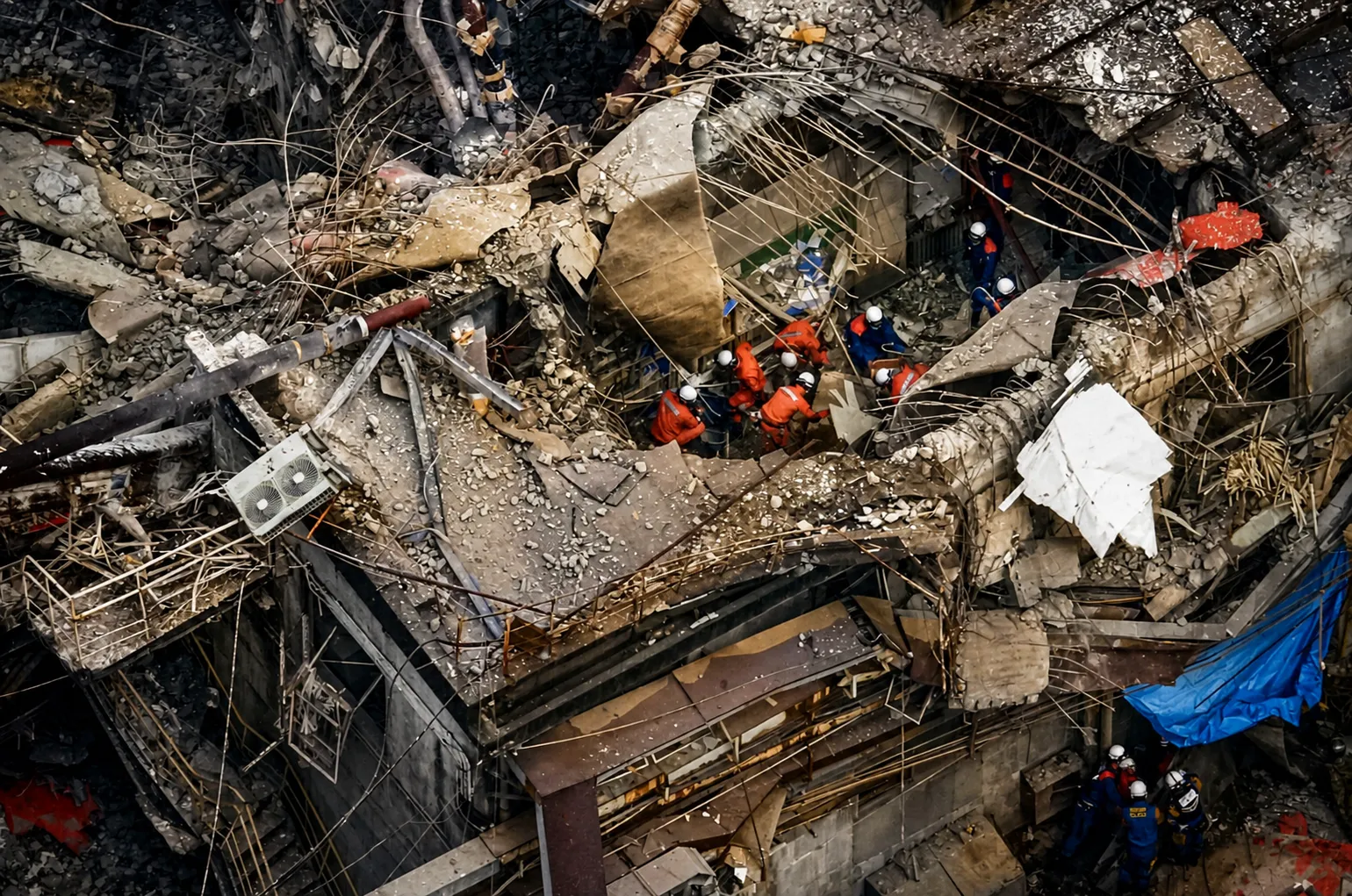
Rescuers frantically searched for survivors Wednesday, a day after a 7.1-magnitude earthquake shook southern Japan, killing at least 13 people.
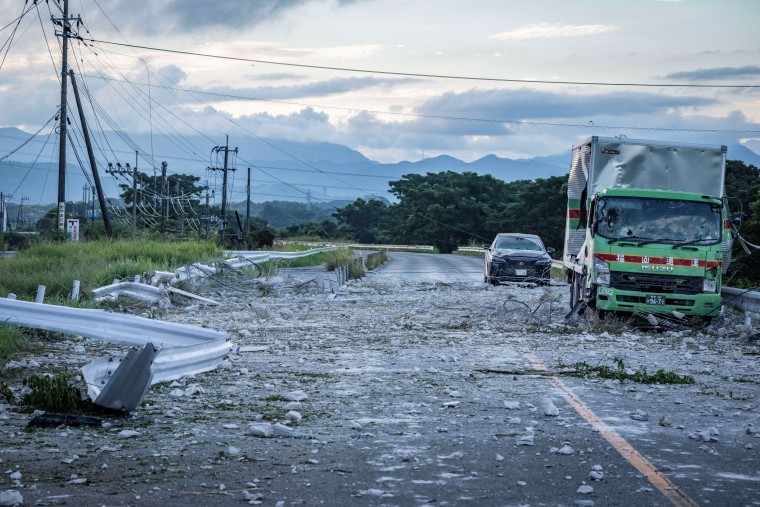
The quake struck the Kumamoto area on Kyushu’s southern main island late Tuesday afternoon and knocked out power to thousands of homes while rupturing roads across the region.
The quake struck Tuesday afternoon in Kumamoto prefecture at a relatively shallow depth of 6 miles, with the epicenter about 12 miles south of the city of Kumamoto, which has a population of about 700,000.
Emergency workers raced to reach people trapped in wreckage.
“Even now, there are people waiting to be rescued, and this is a race against time. We will marshal all available resources on the ground to save and rescue as many people as possible,” Prime Minister Sanae Takaichi told reporters in Tokyo.
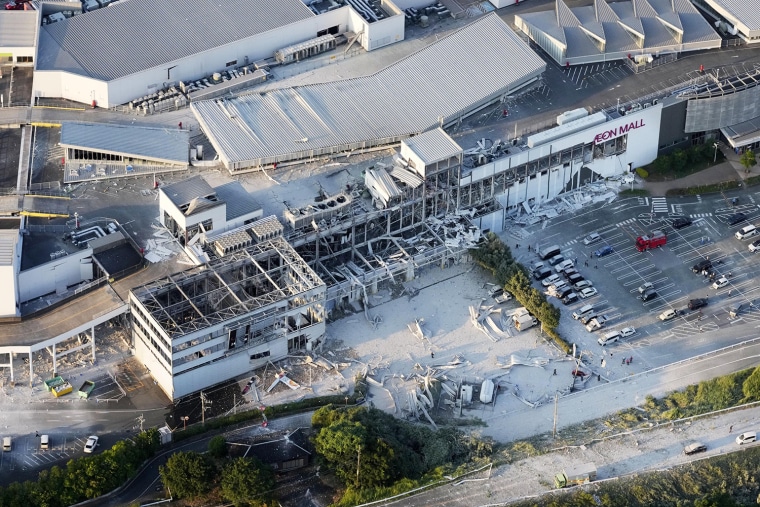
Eight people were pulled from the rubble of a partially collapsed shopping mall near the city of Kumamoto that was torn apart by an explosion about an hour after Tuesday’s earthquake, and three of them have died.
Multiple facilities faced catastrophic damage across the region.
Some of the most serious damage was at the Aeon Mall shopping center in the town of Kashima, which was bustling with thousands of people when the quake happened. The company said some 3,000 customers were evacuated to a parking lot before a gas explosion happened in another part of the mall, where some people were still working.
Mall operator Aeon said four workers at the Kumamoto shopping centre remained unaccounted for after checks of the roughly 2,700 staff.
A paper factory also suffered severe losses in the disaster.
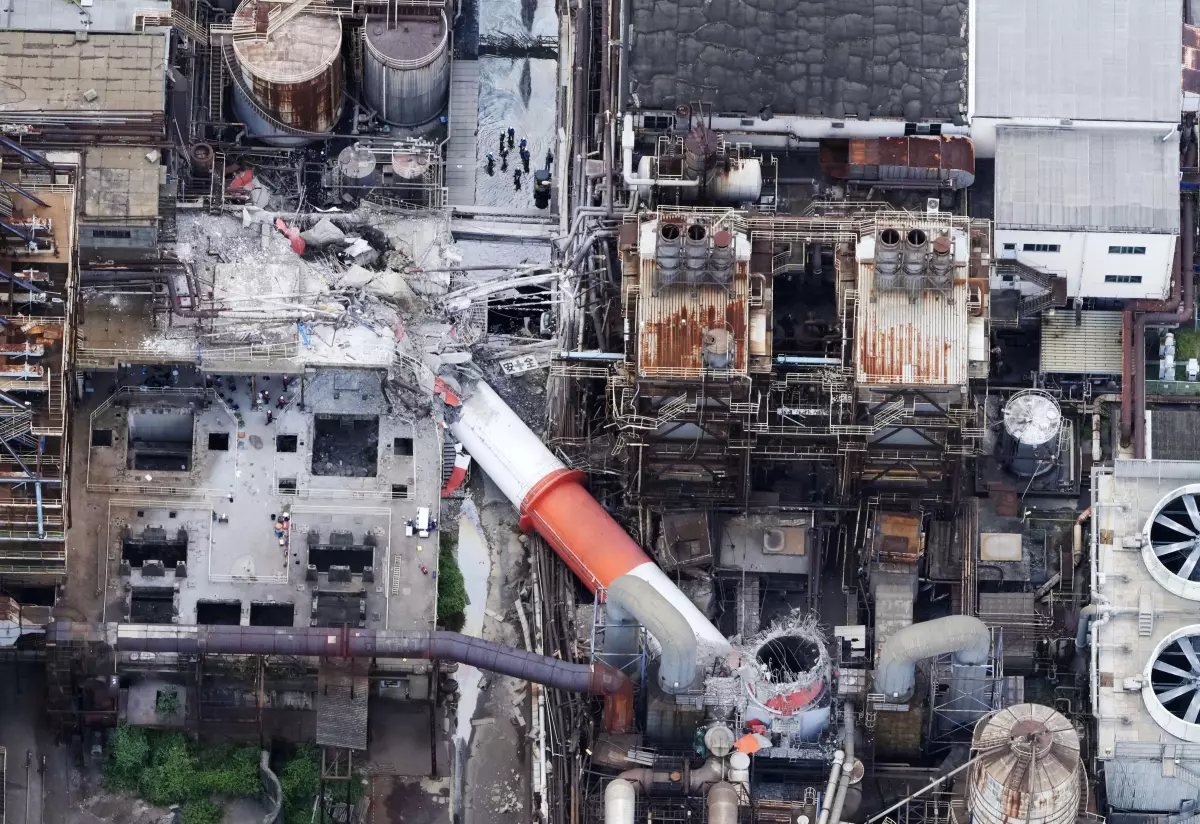
In nearby Yatsushiro, a chimney collapse at a Nippon Paper Industries factory killed five people while seven others were rescued from the debris, according to the Kumamoto prefectural government disaster team. Four people were still believed to be trapped there.
One resident nearby recalled the terrifying moment of the quake.
Kiyoshi Matsunaga, 74, who lives in the mall’s neighborhood and was at a supermarket just a few blocks away, said he thought he was going to die. He stopped in his tracks when the shaking began while he was pushing his cart toward a cash register.
Things scattered from the shelves. He could not move, he recalled.
The mall operator offered his condolences at a press conference.
“We take it seriously that an explosion happened and precious lives were lost,” Aeon president Akio Yoshida told a news conference in Kumamoto, where he bowed deeply along with two other executives.
Infrastructure across the region lay in ruins.
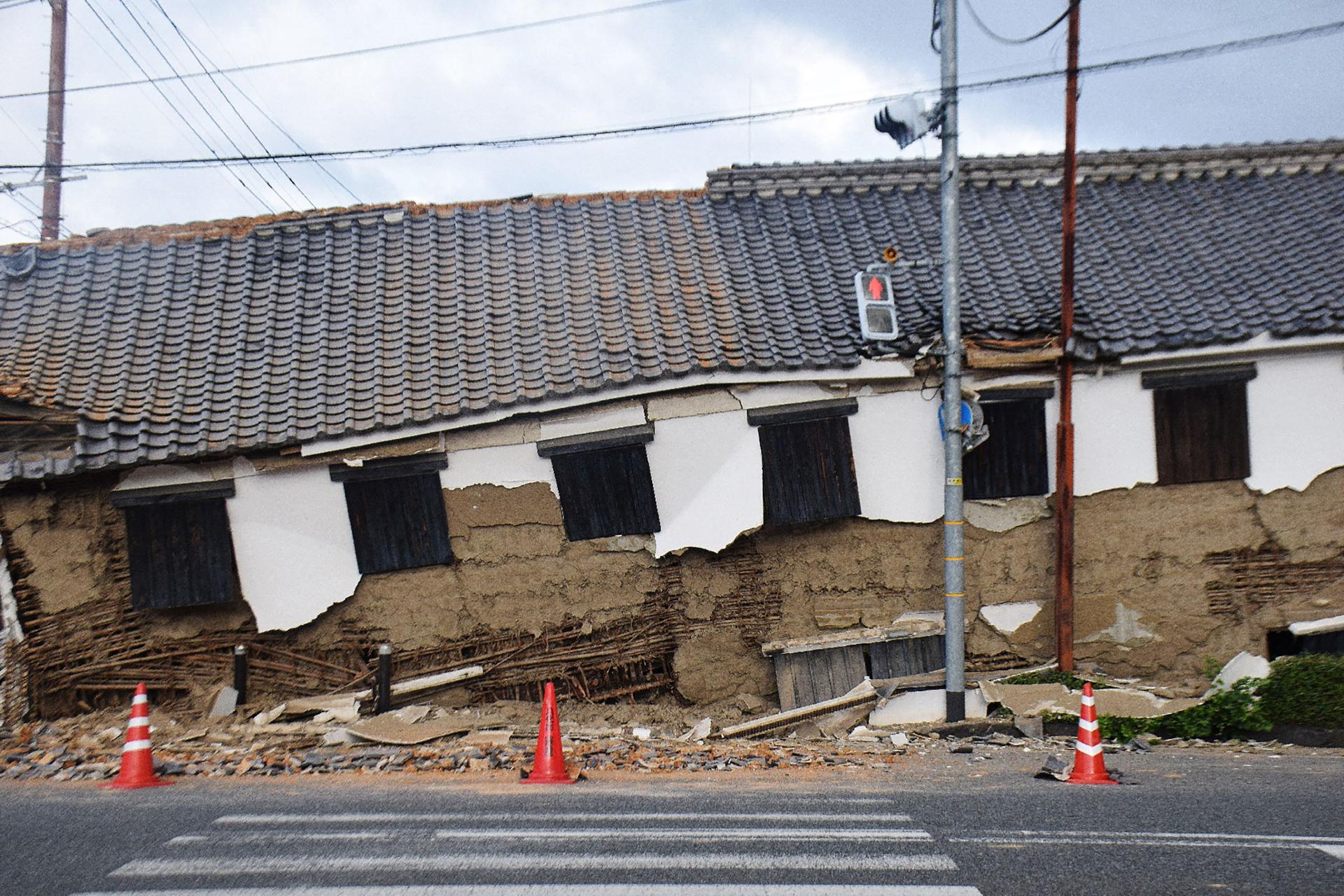
In nearby Yatsushiro city — among the hardest-hit areas — many homes had damaged roofs and a handful of buildings collapsed. Roads leading to the coastal town were cracked and buckled in places, and many businesses remained shuttered. Part of a bridge had collapsed into the Kumagawa River.
Utilities and power faced widespread disruption.
Nearly 34,900 homes were still without electricity and some 15,000 homes without running water, Kumamoto officials said.
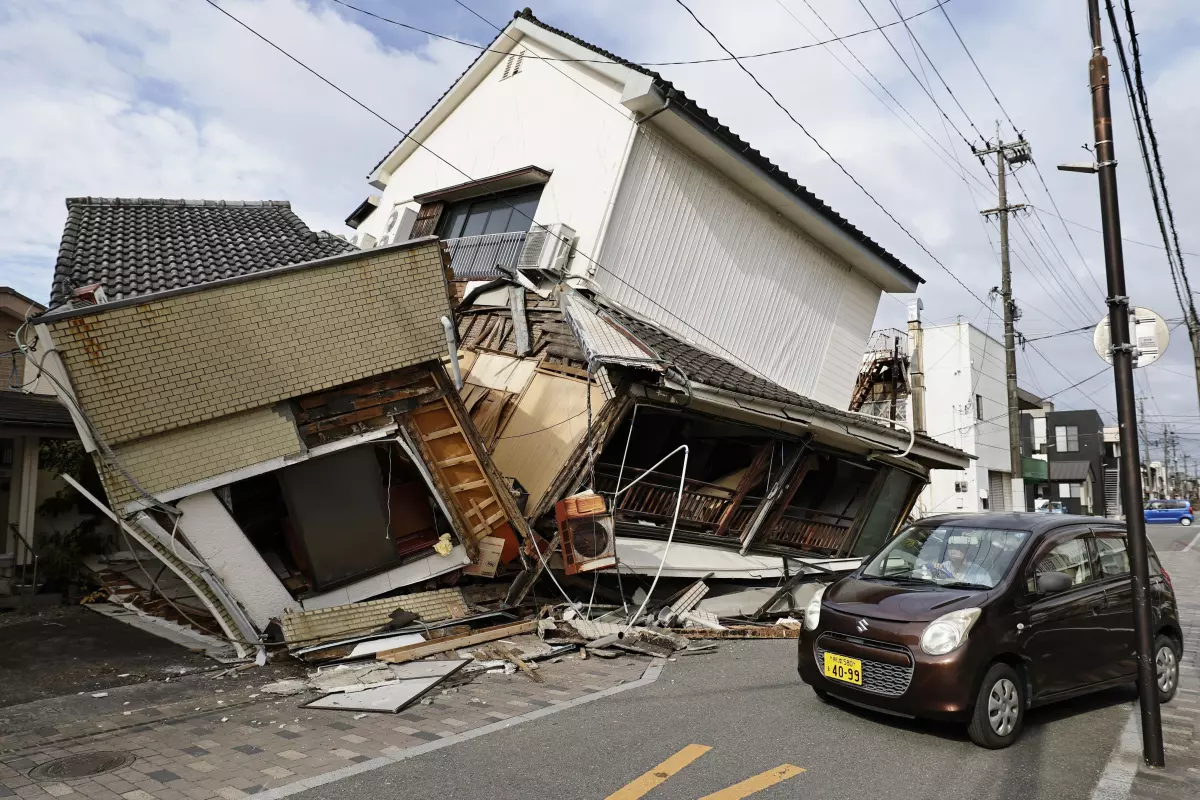
Across Kumamoto, 36,880 households and facilities had no power on Wednesday morning, officials said.
Transportation networks shut down across Kyushu.
Bullet trains suspended all train services on Kyushu immediately after the quake.
The Kyushu Shinkansen bullet train remained suspended Wednesday. Aso Kumamoto Airport was resuming operations after closing one runway Tuesday, but officials said some flights may be canceled.
A foreign national was killed when heavy equipment failed.
A Vietnamese technical intern was killed after a crane fell on him at a factory where he worked, according to the Vietnamese government. He had arrived in Japan in January.
Thousands of people fled their homes for emergency shelter.
Around 300,000 people were ordered to evacuate, with hundreds of soldiers deployed to assist rescue operations as aftershocks continued across Kyushu.
More than 8,800 people left their homes to stay in over 400 shelters, where power sources were being added to provide air conditioning.
Weather threatened to worsen the crisis.
The sweltering weather heightened worries about the survivors as rescuers braved the heat.
Officials warned of continued seismic danger and secondary hazards.
Japan’s meteorological agency warned there could be more earthquakes of similar intensity. “For the next week or so, especially the next two to three days, we would like people to watch out for potential earthquakes with a maximum seismic intensity of 7,” it said Wednesday.
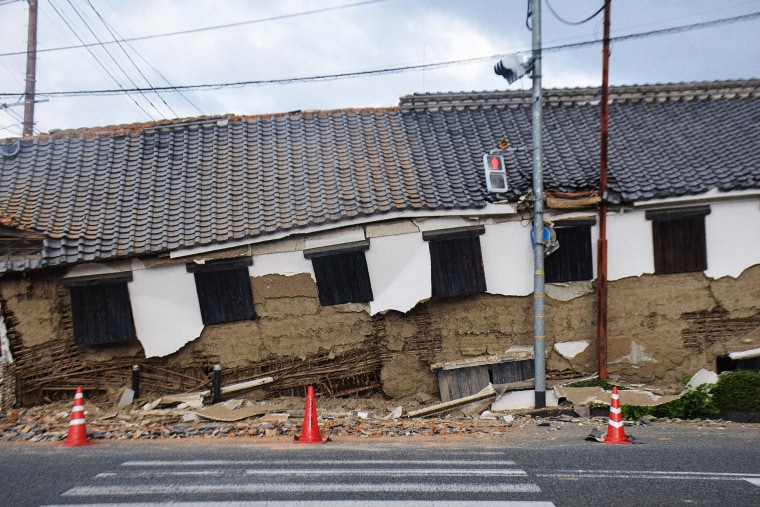
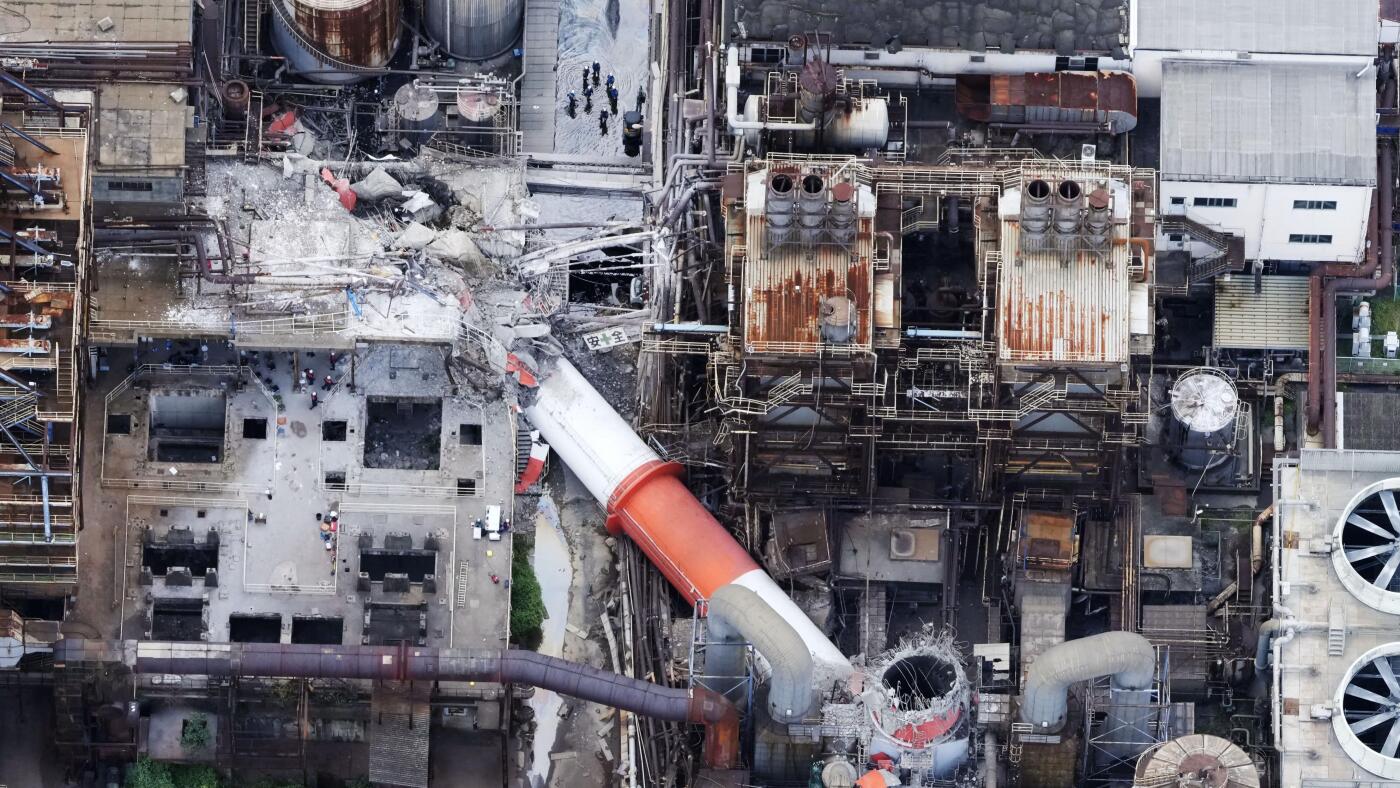
Kiyoshi Matsunaga, 74, described his experience at a supermarket blocks away from the mall where he stopped in his tracks when the shaking began while he was pushing his cart toward a cash register.
The quake reminded him of a deadly quake 10 years ago that hit Kumamoto and killed 50 people.
The mall’s second floor collapsed, trapping people. Witnesses said the explosion shook the area as much as the quake.
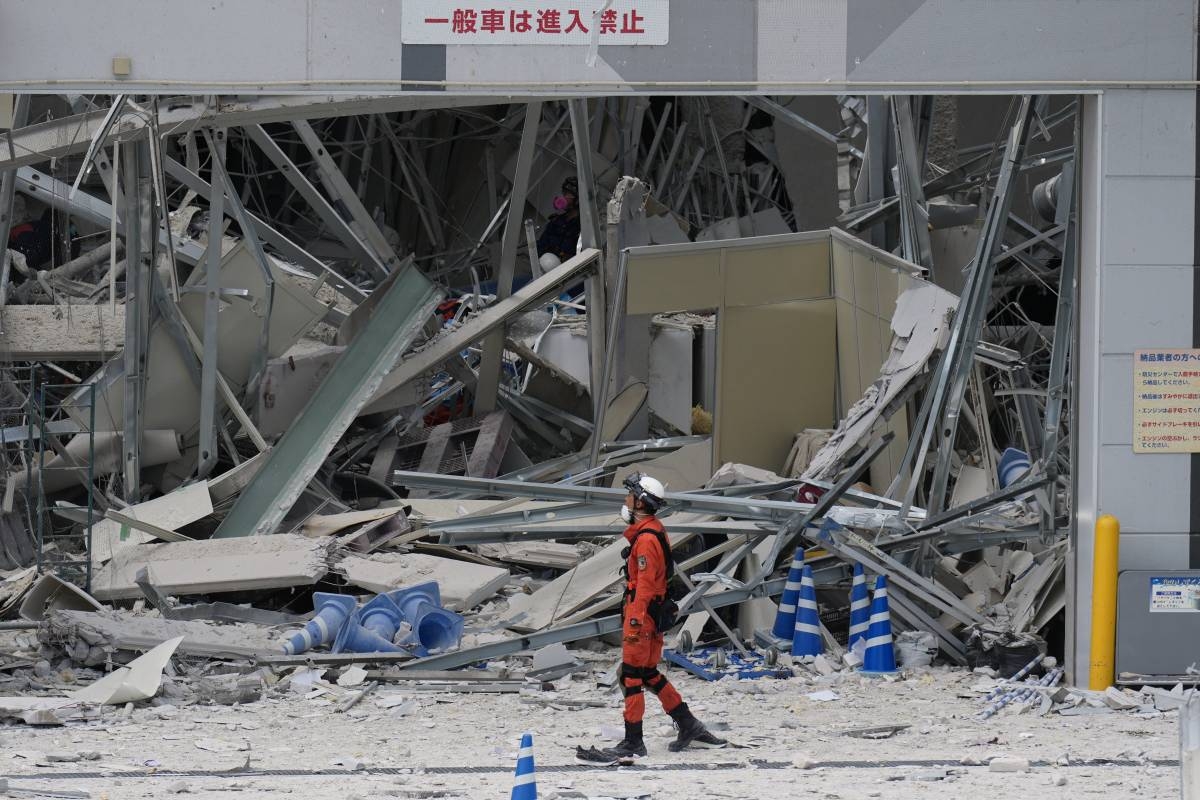
Manufacturing plants across southern Japan announced production halts.
Toyota said Wednesday it would halt operations at three plants in southern Japan through Friday to assess the temblor’s impact on suppliers and logistics. Honda said it would keep its Kumamoto motorcycle plant idle until Friday so quake-damaged parts of the factory can be repaired.
Rescue teams now brace for the grueling search ahead.
Thousands of soldiers have been deployed to assist rescue teams across the affected area, while hospitals have treated dozens of people for injuries.