

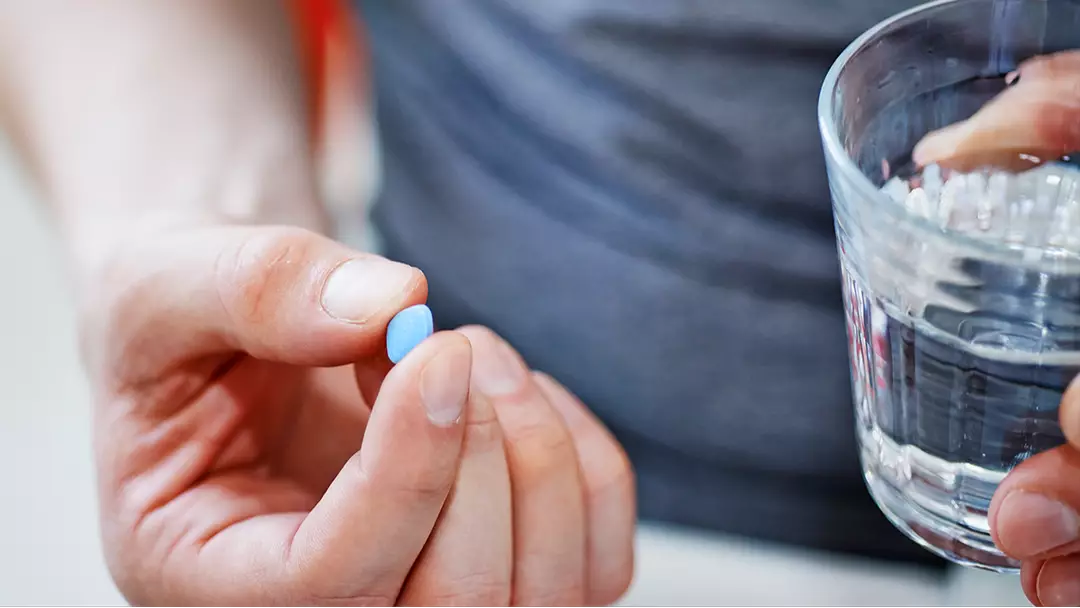
While most are familiar with the primary purpose of Viagra, it may offer other significant benefits for men beyond enhancing sexual performance.
Erectile dysfunction (ED) affects between 18 to 30 million men in the United States, becoming more prevalent with age. Statistics from the National Institute of Diabetes and Digestive and Kidney Diseases (NIDDK) show that by age 40, about 40% of men experience ED, increasing to 70% by age 70.
It’s important to note that ED medications like Viagra don’t induce spontaneous erections; they function by relaxing blood vessels to increase blood flow to the penis, facilitating erections when a man is sexually stimulated.
Beyond improving sexual function, a recent study in the World Journal of Men’s Health has revealed additional advantages of these pills, known as PDE5 inhibitors. They could potentially play a role in managing heart disease, reducing stroke risk, and aiding those with diabetes.
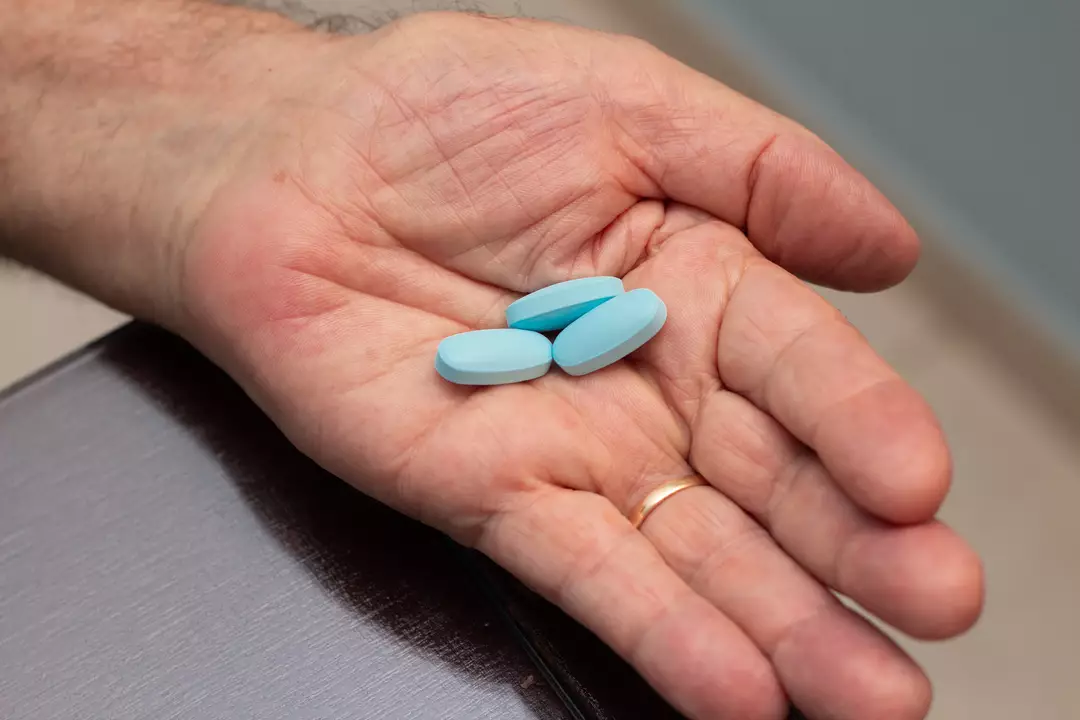
These medications may enhance blood circulation and cardiovascular health, ensuring proper circulation. The study also indicates that these drugs may benefit men with an enlarged prostate, alleviating symptoms like frequent urination.
Men with prostate cancer often experience ED. PDE5 inhibitors are commonly suggested to improve sexual function for these individuals.
“In summary, the available evidence base is encouraging bearing in mind the potentially pleiotropic effects of PDE5 and could be particularly relevant in the case of prostate cancer patients,” the study’s authors wrote.
“However, because the evidence base is mostly generated from observational studies, these findings cannot prove a causal relationship,” they noted.
Sophie Smith, a senior specialist nurse with Prostate Cancer UK, emphasized to The Telegraph: “Sadly, too many men are missing out on simple treatments that could set them on the right track to getting their sex life back and, the evidence shows, could improve many other serious, life-limiting conditions they may face.”

Smith further stated: “Lots of men tell us that they find it difficult to bring up the subject of sex at their appointments, often because they are embarrassed, or they don’t want to waste the doctor’s time.”
She continued, “I encourage healthcare professionals to talk proactively and regularly with patients about their sexual wellbeing, and treatments that can help.
“I’d also like to reassure every man living with or after prostate cancer that your sex life is important, and that you can talk to your GP about erection problems.
“Finally, erection pills don’t work for all men, but there are other treatment options.”