


Researchers in Spain have made a significant clinical advancement in the treatment of pancreatic cancer, achieving a complete cure in mice.
The team from the Spanish National Cancer Research Centre (CNIO) successfully eradicated tumors and described their findings in the Proceedings of the National Academy of Sciences (PNAS).
The 2025 research focused on approaches to tackle this aggressive cancer, which affects 67,530 individuals and results in 52,740 fatalities annually in the United States, according to the American Institute for Cancer Research.
Leading the study was Dr. Mariano Barbacid, who has been instrumental in identifying the first human oncogene and exploring the molecular underpinnings of cancer mutations.
Last year, Dr. Barbacid and his team discovered that simultaneously targeting three points within the KRAS oncogene pathway can lead to tumor regression and potentially prevent relapse in animal models, with minimal adverse effects.
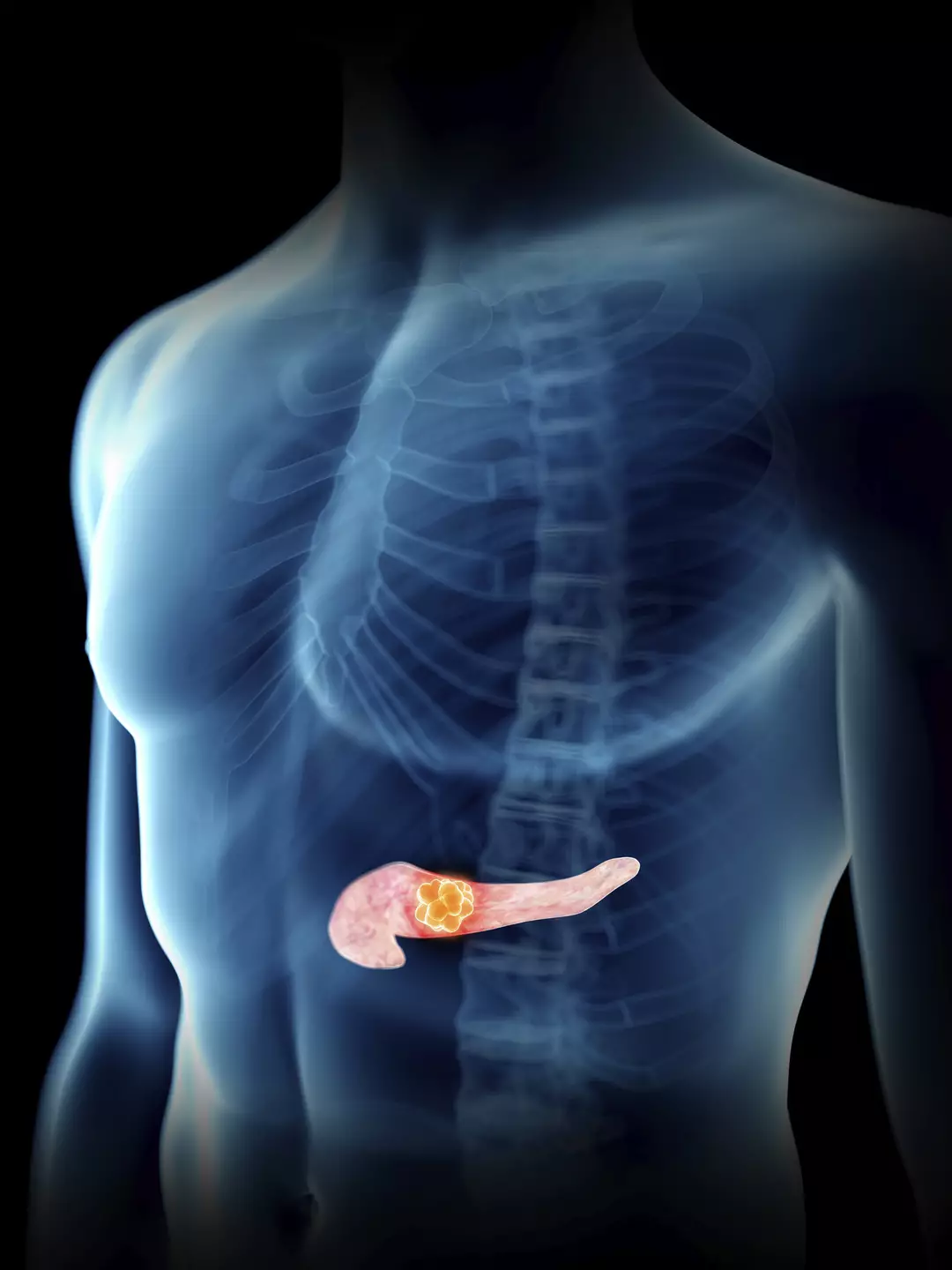
The researchers noted that current treatment methods for a specific type of pancreatic cancer, known as pancreatic ductal adenocarcinoma (PDAC), are often ineffective due to tumor resistance. They highlighted that the advancement of RAS inhibitors marks significant progress in treating KRAS-driven PDAC.
Utilizing mice models, the team applied a triple combination therapy that included an experimental KRAS inhibitor, a drug approved for lung cancer, and a protein degrader. This approach allowed them to reduce and eliminate tumors in three different animal models.
The study indicated that a combination therapy composed of daraxonrasib, an irreversible EGFR/HER2 kinase inhibitor known as afatinib, and SD36, a selective STAT3 PROTAC, led to substantial regression of experimental PDACs. This combination was well-tolerated in mice and might enhance the survival of PDAC patients.
A team of scientists from the Spanish Cancer Research Centre, led by the renowned Dr Mariano Barbacid, has achieved the complete and permanent disappearance of pancreatic cancer in experimental models.
This discovery could make a difference in the fight against this disease. 👏 pic.twitter.com/gcnn1hPKBk
— Embassy of Spain UK (@EmbSpainUK) January 28, 2026
The Spanish Embassy in the UK shared this accomplishment on X on January 28, emphasizing its potential impact on the future of medicine.
They stated: “A team of scientists from the Spanish Cancer Research Centre, led by the renowned Dr Mariano Barbacid, has achieved the complete and permanent disappearance of pancreatic cancer in experimental models. This discovery could make a difference in the fight against this disease.”
Despite these promising results, human clinical trials have not yet commenced. Dr. Barbacid clarified: “It is important to understand that, although experimental results like those described here have never been obtained before, we are not yet in a position to carry out clinical trials with the triple therapy.”