

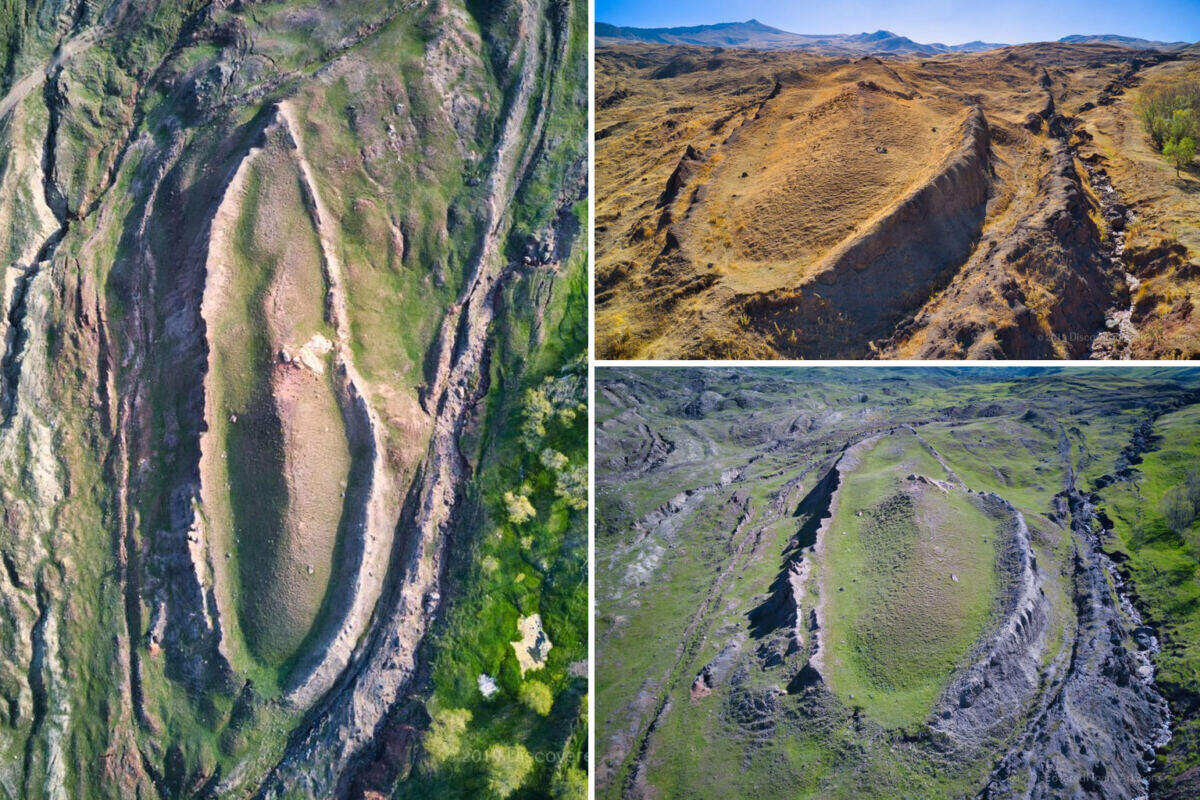
A team probing a boat-shaped Turkish formation believes fresh drilling data could settle the decades-old debate over whether the site holds Noah’s Ark.
Andrew Jones, founder of Noah’s Ark Scans, told “Saturday in America” that his group is “inching towards” confirmation after coring more than 12 locations at the Durupınar formation in eastern Turkey. The structure, stretching roughly 538 feet near Mount Ararat, has drawn Ark hunters since its 1959 discovery.
“In archaeology, you deal with probabilities, and we’re inching towards where we believe we will have confirmation this winter after our soil analysis is done with Sivas University, who’s our partner in this,” Jones said.
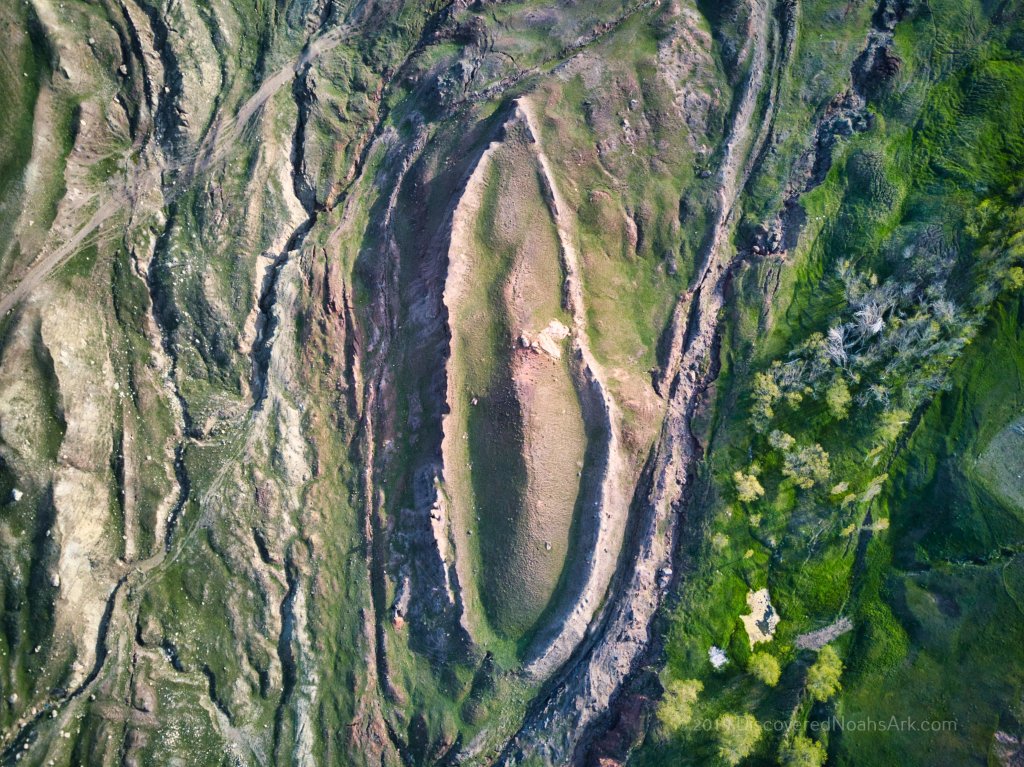
The team did not find the solid bedrock that critics have long insisted forms the core of the site. Instead, Jones said, the drilling uncovered substantial deposits of rich black soil.
“They’ve criticized in the past, saying all those scans you can interpret different ways, ‘This is a solid mass of rock, a syncline or a block of bedrock,'” Jones said. “Well, we’ve core drilled… Over 12 locations. We did not find bedrock at all.”
The researchers plan to test that soil for organic content this winter at Ankara University. Jones connected the findings directly to biblical accounts of the vessel’s construction.
“Noah’s Ark was a giant wooden boat, according to the Bible,” he said.
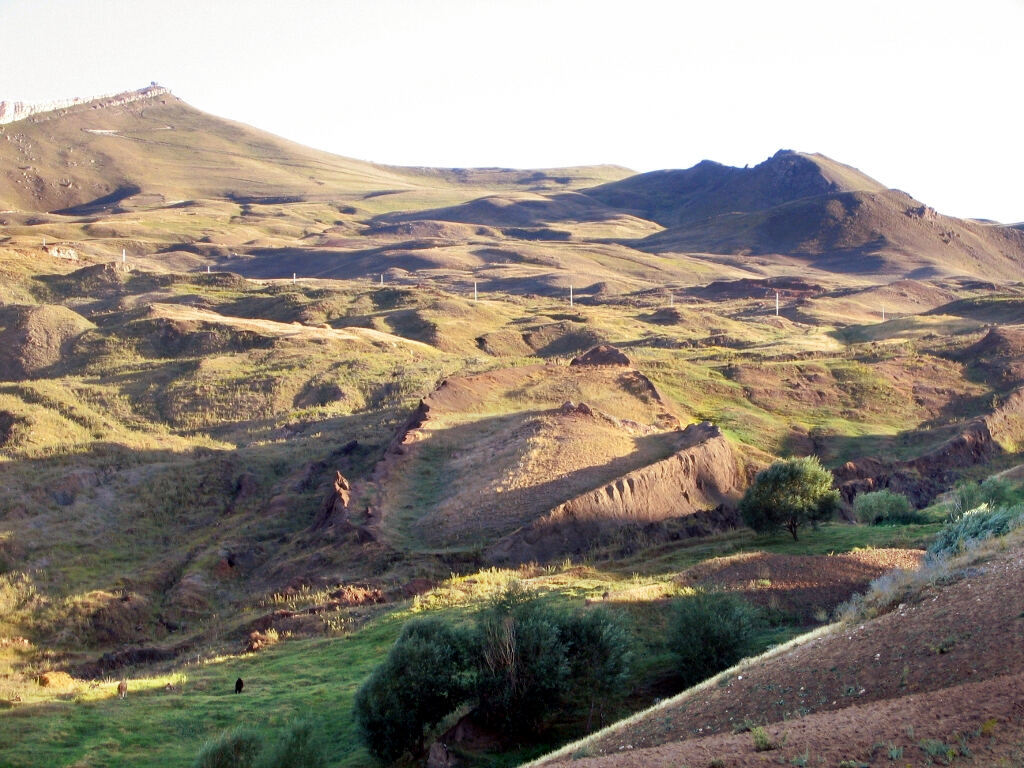
He elaborated on what decaying wood might leave behind. “As wood decays, you’re gonna find elevated organic matter. This year, as we drilled into the formation, we did not find a solid rock layer, like the critics said. But we did find large deposits of highly rich black soil that has hopefully high organics.”
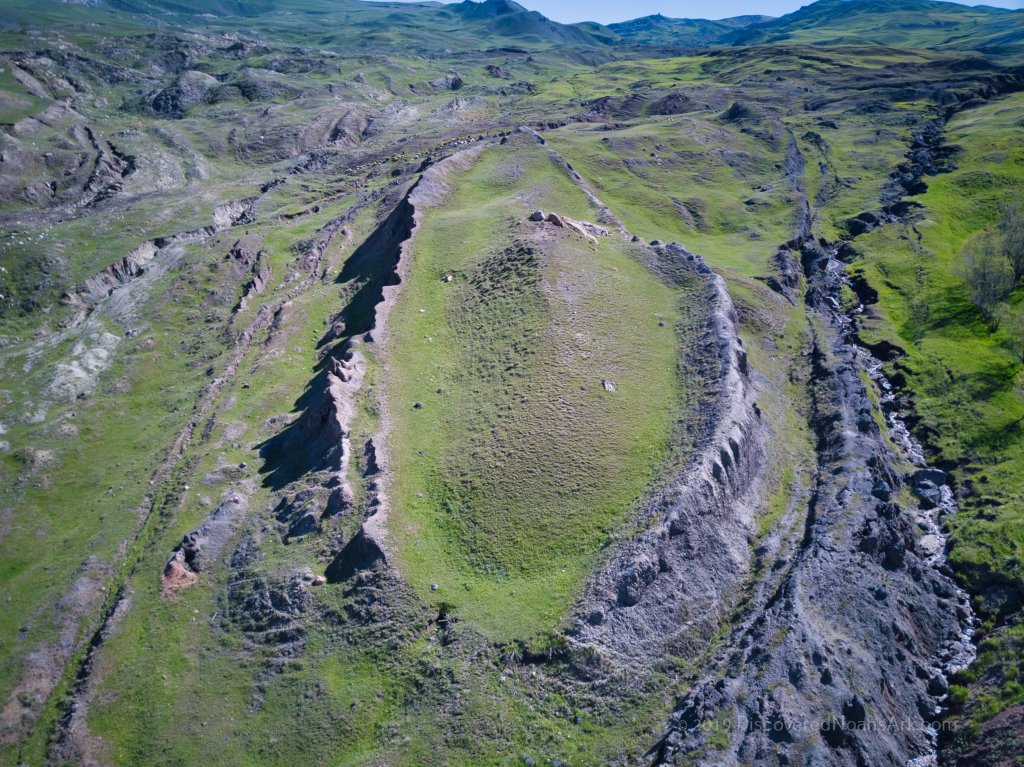
The upcoming analysis aims to detect signs of human activity or materials matching decayed wood beneath the formation. Jones also cited a 2024 soil survey showing organic matter levels inside the boat-shaped area at three times the concentration of samples taken just outside it.
The Durupınar formation sits in a region linked to the biblical flood narrative, and its distinctive shape has fueled speculation for over six decades. Skeptics have consistently argued that the structure is purely natural, a geological formation without connection to any historical vessel.
Jones’s team is using ground-penetrating radar alongside soil sampling to build its case. The partnership with Sivas University represents the latest institutional collaboration in the long-running investigation.
The winter testing at Ankara University could produce results that either bolster the Ark theory or reinforce the natural-rock explanation that critics have championed.
The team expects to complete its soil analysis this winter.