

While much of the Earth’s surface has been charted and explored over generations, the oceans still hold mysteries waiting to be discovered.
Beneath the ocean’s depths, where pressure levels are immense, remain vast unexplored ecosystems filled with unique and alien-like creatures, reminiscent of science fiction tales like Stranger Things.
Despite advances in mapping, which reveal massive trenches miles beneath the ocean, scientists have only explored a mere 5% of these depths due to the extreme challenges posed by pressures that are up to 1000 times greater than those on land.
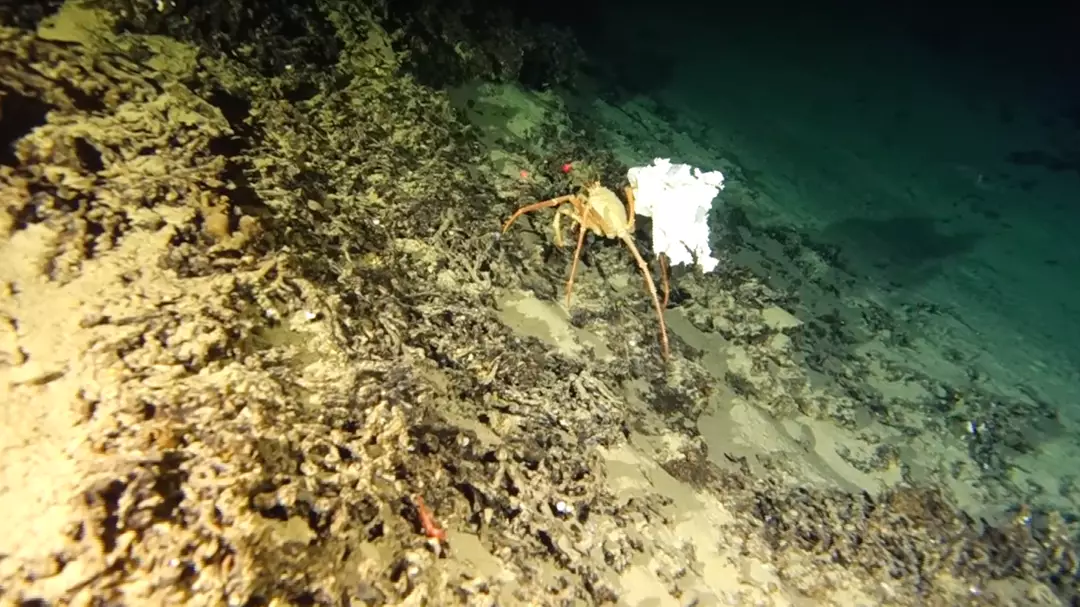
This means extensive areas of the ocean, including some of the most traversed waters, remain largely unexamined by humans. However, when scientists embarked on an expedition to the Caprera Canyon, which plunges 3,281 feet deep in the Mediterranean Sea, they made some unsettling discoveries.
Located off Sardinia’s coast, in a sea corridor between France and Italy, marine biologist Ginevra Boldrocchi told CNN that the canyon represents one of the Mediterranean’s last uncharted territories.
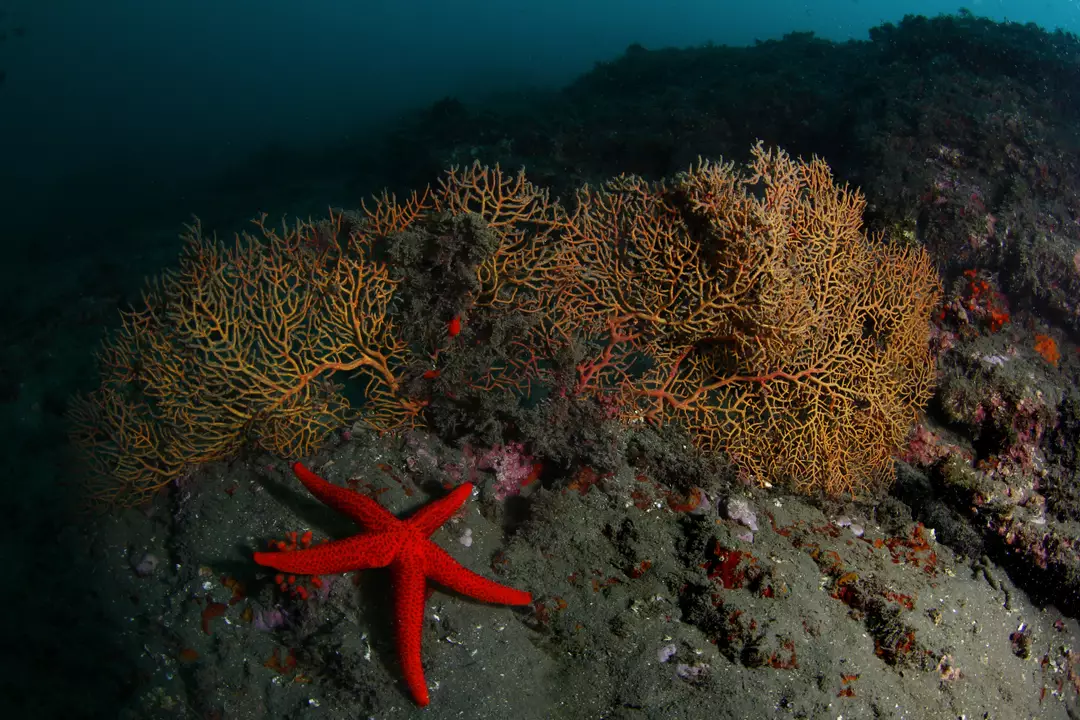
Despite being 1000 meters deep, when the nonprofit One Ocean Foundation deployed a remotely operated vehicle (ROV) into the underwater forest at the canyon’s base, the depths revealed signs of human disturbance.
The ROV observed a habitat bustling with deep-sea fish, intricate coral networks, and large marine animals like whales and dolphins.
Amidst these rare ecosystems, the research team also found evidence of human impact, such as abandoned fishing nets and plastic waste.
“We observed a rare population of the soft bottom gorgonians, completely destroyed by the impact of these long [fishing] lines,” reported a team member.
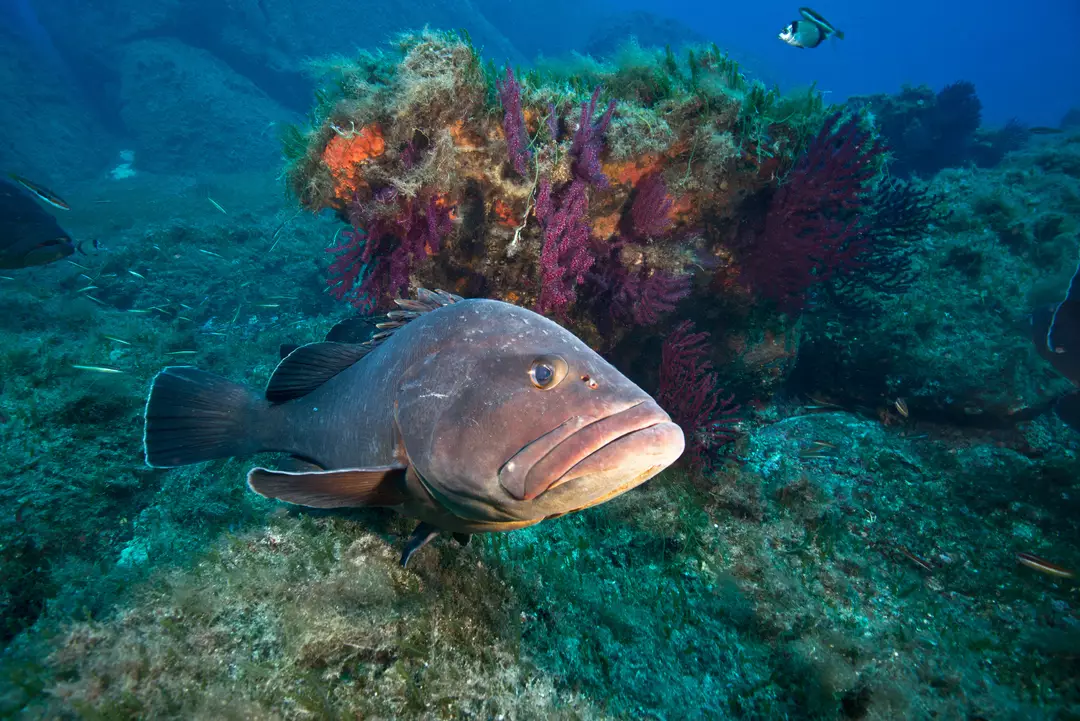
Biologist Boldrocchi elaborated: “The canyon is really a crossway between France [and] Italy, so you have all these traffic disturbances generating acoustic pollution, plus you have the problem with fishing activities like bottom trawling.
“A lot of these animals which are already considered endangered, end up in the nets and die.”
In recent decades, up to 50 percent of global coral reefs have vanished due to rising ocean temperatures and acidification. This decline accelerated with a global bleaching event declared by scientists in 2023, affecting two-thirds of the world’s coral reefs.
Throughout years of exploration, the ROV gathered samples from the Mediterranean’s depths, uncovering alarming levels of human pollutants, including DDT, a pesticide banned since the 1970s.
DDT continues to appear in zooplankton samples from the deep sea region. “Even if [DDT chemicals] have been banned since the 1970s, we still find [it] everywhere, and they interfere with the hormones, with the growth, with reproduction [of marine life],” Boldrocchi explained.
To protect these unique deep-sea ecosystems, the nonprofit is seeking approval from Italian and European Union authorities to designate the area as a Marine Protected Area.