

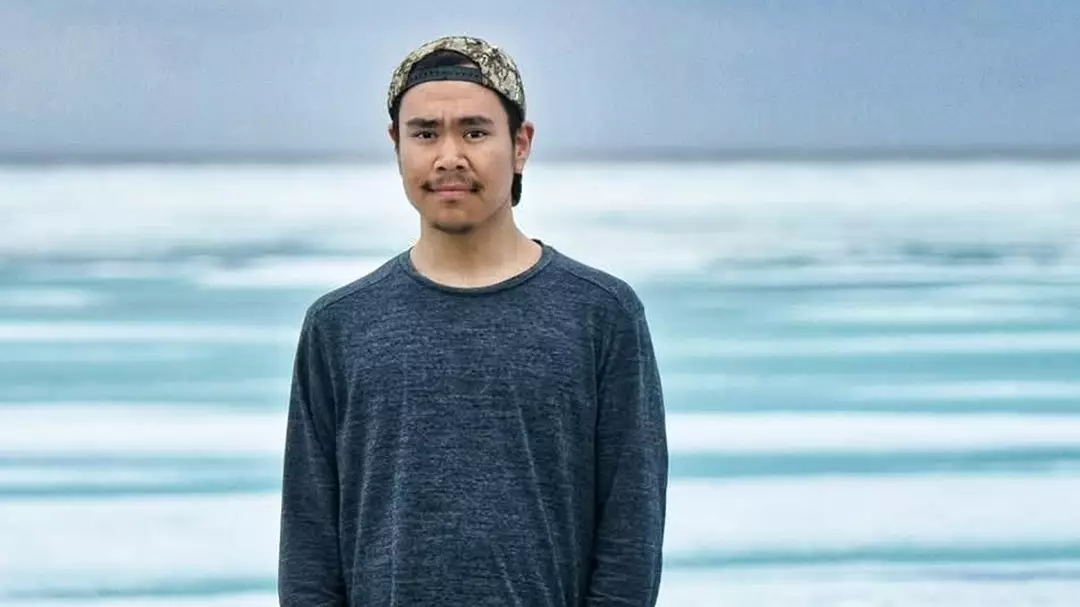
A lifelong resident of a US city that experiences over two months of darkness each year has shared why he will never move away.
Eben W. Hopson, 25, has spent his entire life in Utqiagvik, Alaska, the northernmost city in the United States, where winter temperatures can drop to minus 60F and the sun remains absent for about 67 days annually.
This phenomenon, known as polar night, typically extends from mid-November to mid-January. Contrastingly, summer ushers in the midnight sun, providing continuous daylight for up to 84 days.
Eben, who is employed in media at the Ukpeaġvik Iñupiat Corporation and also freelances as a photographer and videographer, captures the everyday life, culture, and severe Arctic conditions on his Instagram, which many outsiders find hard to comprehend.
He maintains that he has no desire to live anywhere else.
“I was born and raised here,” he shares. “I don’t ever see myself living somewhere else. This is home. This is where I want to raise my kids and my grandkids.”
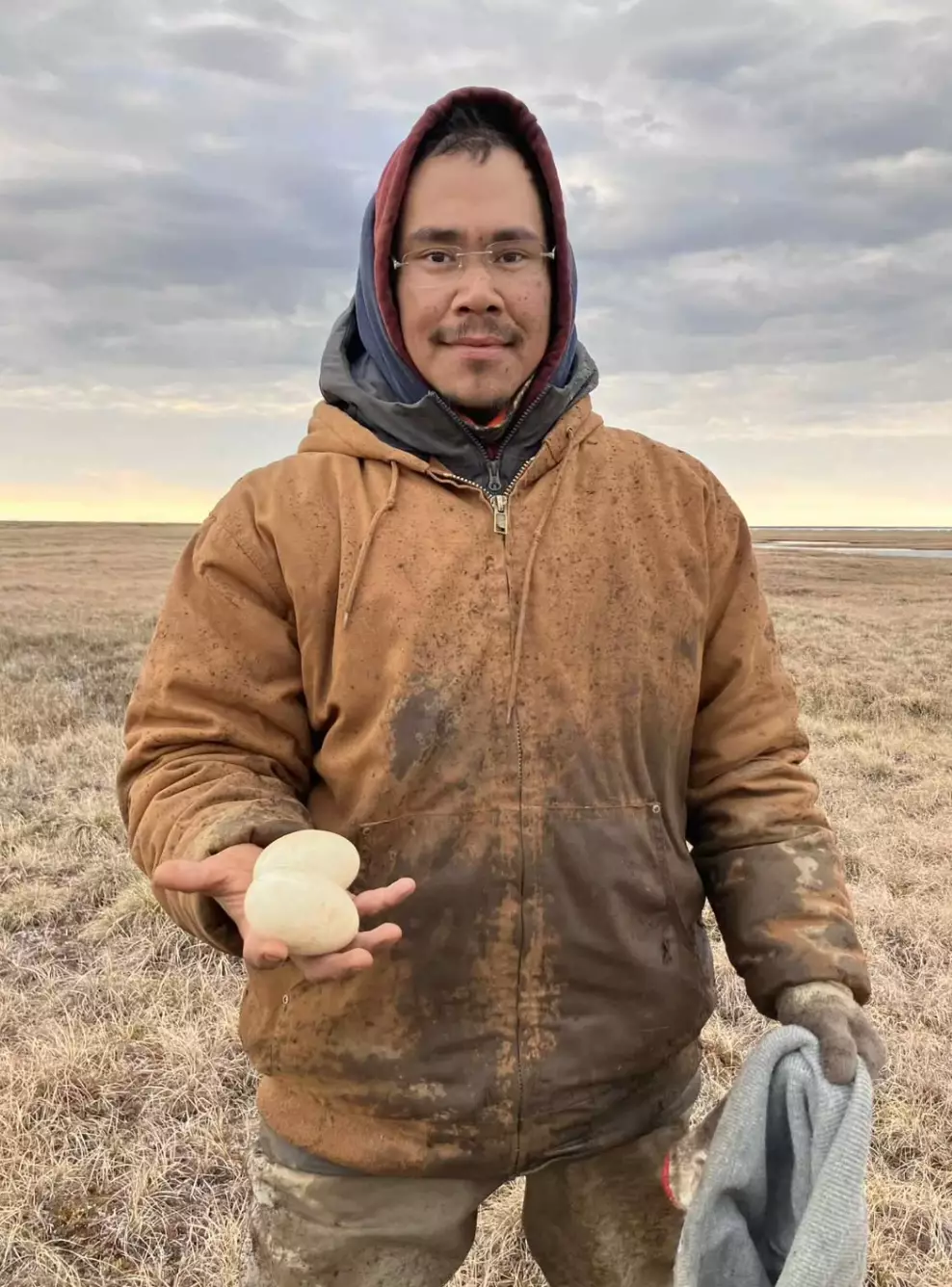
Though he has traveled extensively to places like California, Georgia, Virginia, Hawaii, Iceland, Norway, Finland, Greenland, and Germany, Eben admits that being away is unsettling.
“There’s something that feels off,” he notes. “We don’t have concrete roads or big buildings here. It’s a small-town life, but it’s me. It’s worth it; not just because it’s home, but because it’s who I am as an Iñupiaq person.”
The Iñupiat are an Indigenous Inuit people from northern Alaska, who have maintained their presence in the Arctic for millennia, relying on hunting, fishing, and a profound understanding of the land to endure the harsh conditions.
Eben also addresses some common misconceptions about living in the Arctic Circle.
One prevalent myth, Eben highlights, is the assumption that polar night implies complete darkness all the time.
This is not entirely true. “It’s not fully pitch black,” he clarifies.
“If you’re above 67.5 degrees on the Earth’s axis, when it tilts one way, there’s no sunlight,” he explains regarding the town’s position.
While the sun does not ascend over the horizon for around two months, he points out there is still some ambient light and twilight for a few hours each day.
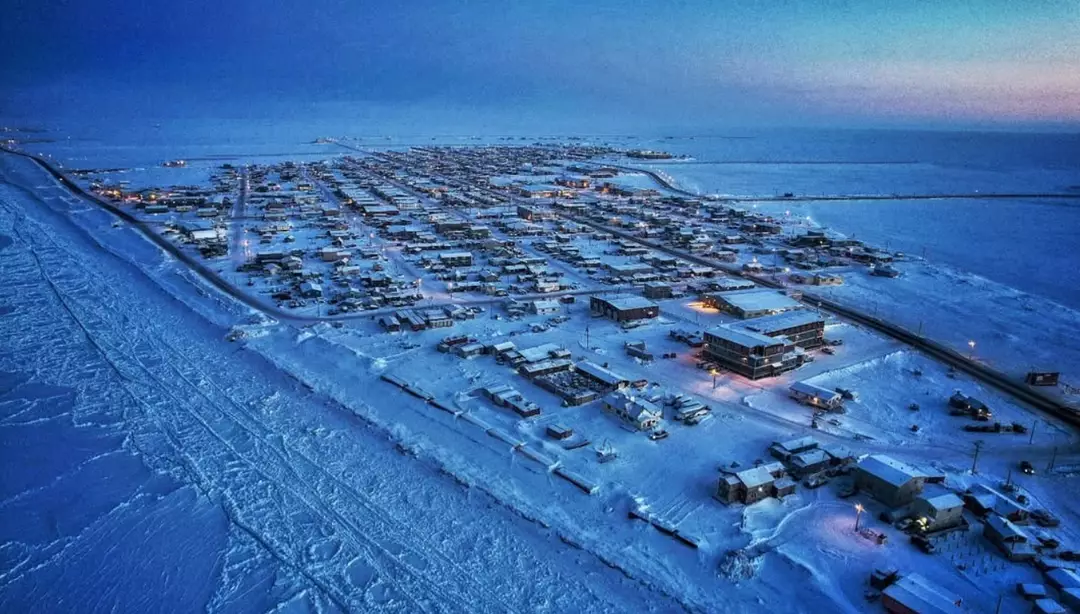
Discussing how the darker winter days affect him, Eben concedes: “Nothing really changes. We just keep moving forward and going on with our daily lives.”
He continues: “If you live here year-round and you’re engaged in cultural activities, it’s just work, sewing, hunting, fishing. You stay busy.”
One might think limited daylight impacts sleep schedules, but according to Eben, daylight savings time is a greater disruption than the Arctic winter itself.
He refers to the practice as ‘dumb’ and remarks: “Nobody likes it up here. That’s what gets everybody real tired.”
Another belief is that prolonged periods without sunlight are detrimental to health, but Eben credits traditional foods for maintaining his well-being.
“If you’re not from here and you go through this cycle for the first time, people are usually stocked up on vitamins,” he points out. “But the traditional foods I eat year-round give me everything I need.”
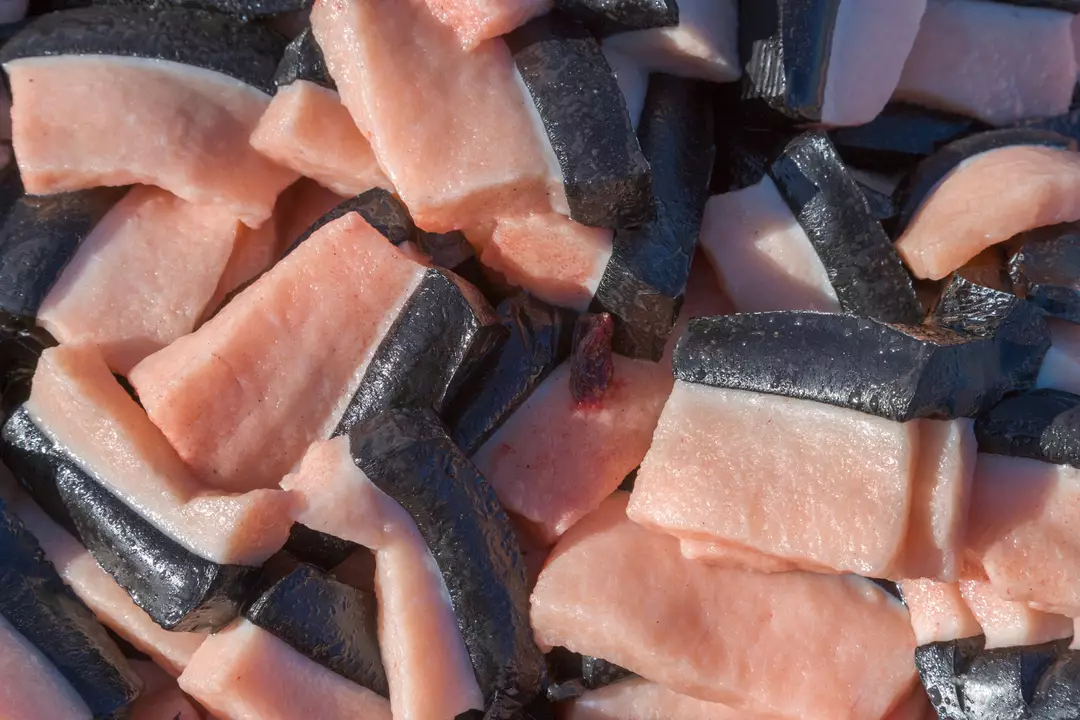
His diet consists of dried caribou meat, fish, muktuk (whale skin and blubber), seal, walrus, beluga, ducks, and geese, much of which he personally gathers and preserves throughout the year.
Despite this traditional diet, Eben, like many others, starts his day with coffee.
“I might have dried caribou in the morning and that’ll keep me full till lunch,” he shares. “I’ve got food from every season stored; dried fish from summer, muktuk from spring, caribou from winter.”
Though the local supermarket is just a few blocks away, Eben states he lives ‘in two worlds.’
“I eat Hot Pockets and pizza rolls too – those are my weaknesses,” he laughs. “But I digest traditional food way better.”
He adds: “There’s a saying that Alaska Native people are some of the healthiest people in the world. We’ve lived off these foods for thousands of years. We know what works.”
Eben routinely hunts not just for himself, but for older family members and community members who are unable to do so themselves.
“That’s part of our responsibility,” he explains. “You hunt not just for yourself, but for your family and your community.”
Despite the extreme conditions, Eben insists life carries on as usual, even when hunting in frigid temperatures.
“I’ve been hunting at minus 60 before,” he recalls. “I’ve been camping at minus 65 with wind.”
While acknowledging the risks, Eben finds it worthwhile and uses it as an opportunity to document his life through photography and videography.
“It gets me out of the house and out of town,” he says. “And it’s something to show people and tell my kids and grandkids about one day.”
Family ties are immensely significant to Eben. He is named after his grandfather, a pivotal figure who became the first mayor of Utqiagvik (formerly Barrow) in 1972 and later established the Inuit Circumpolar Council, fostering unity among Inuit communities in Alaska, Canada, and Greenland.
His grandfather’s influence even reached popular culture, inspiring a character named Eben Oleson in the horror comic (and subsequent film) 30 Days of Night.
“There’s a lot of history that I’m proud of,” Eben reflects. “And I want to keep it going.”
For Eben, the lengthy polar night, the cold, and the isolation are what make his lifestyle distinctly unique.
“This is home,” he concludes. “And I wouldn’t want it any other way.”