

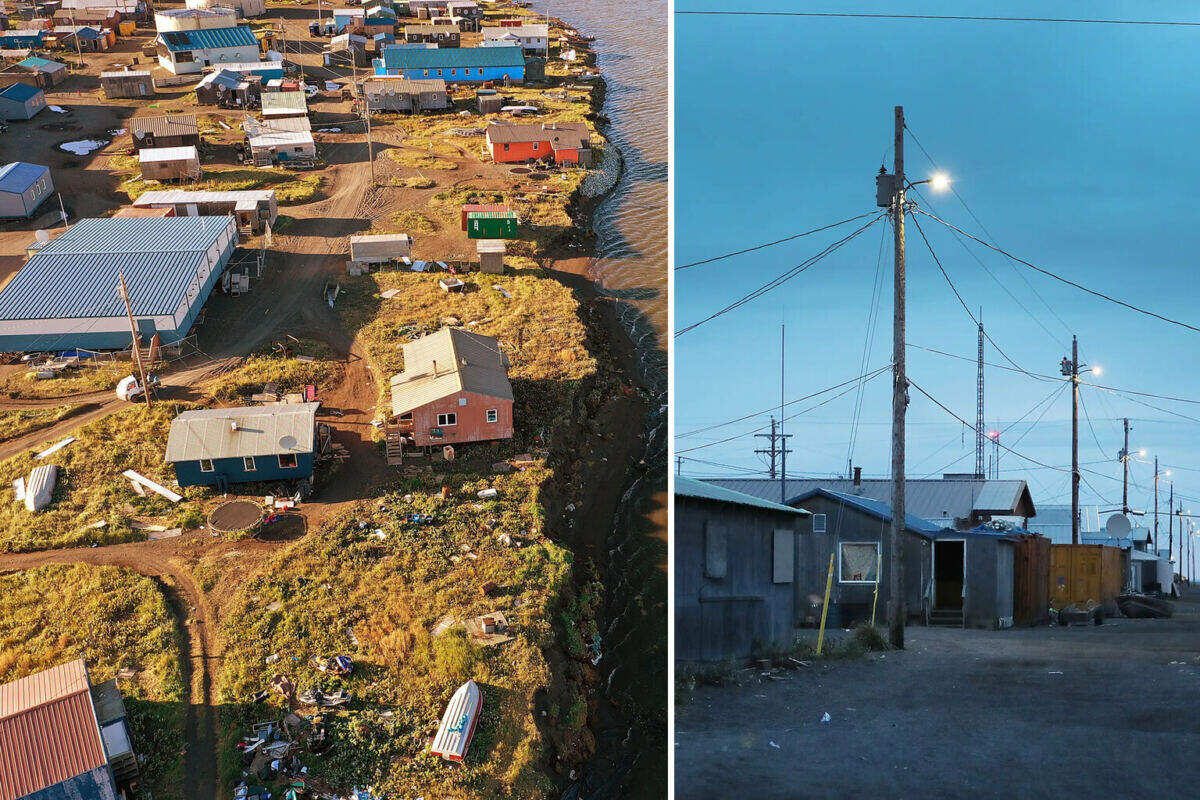
Kivalina residents are speaking out as the Alaskan barrier island village faces forced relocation from rising seas and erosion.
The village, which sits between Kivalina Lagoon and the Chukchi Sea, was home to roughly 400 people as of 2020. The US Army Corps of Engineers had estimated the island would hit a critical state of uninhabitability by 2025. That deadline has now passed, and the community is confronting what comes next.
Janet, a lifelong resident, traced the escalating crisis to 1989 in an interview with the Yes Theory YouTube channel, which visited the village earlier this month. “1989 was the time when things started getting a little more intense with erosion. That was the first time they did sandbags, placing them by the banks. They just washed away, you know?” she said.
“And there was nothing they could do. And that’s when we realized that we have a problem.”
Janet’s brother, Reppi, pushed back against the idea of leaving despite the dire warnings. “Yeah, we’re staying… They’ll find out how much mosquitos is up there,” he said, adding: “It’s really marshy land up right where the school is.”
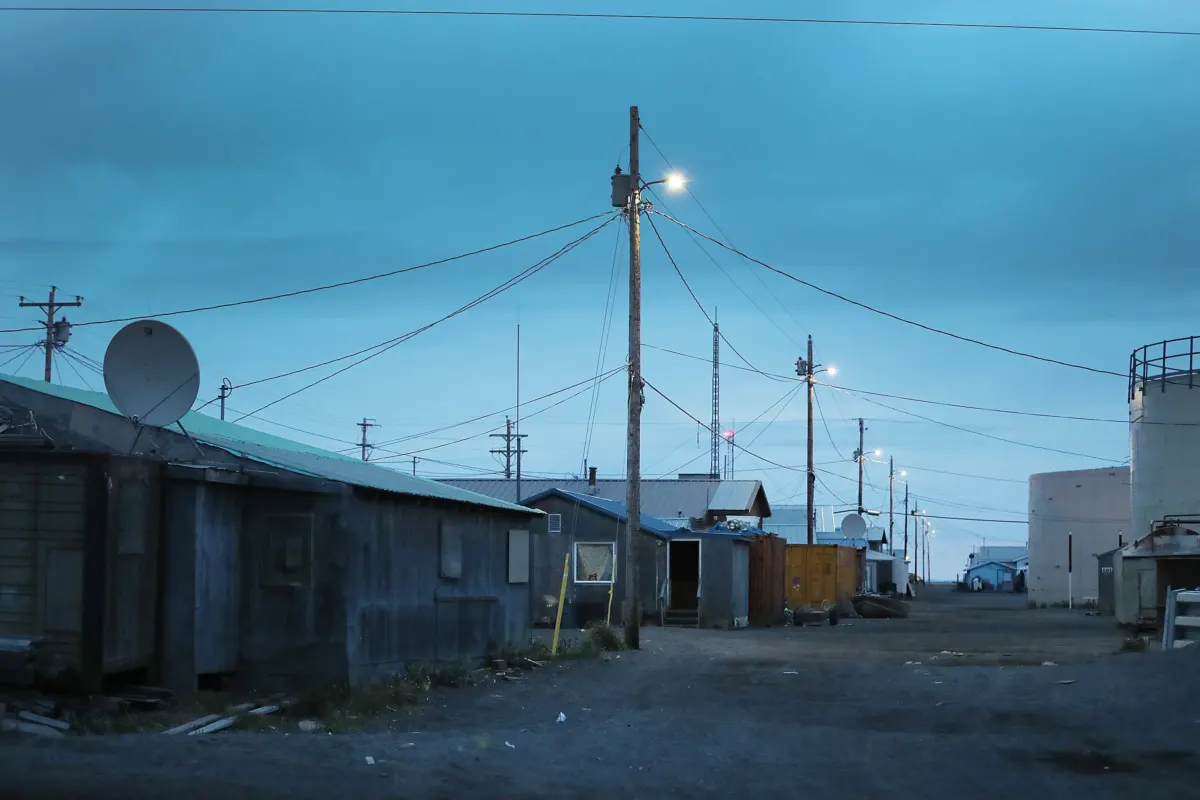
The siblings’ defiance comes as the engineering timeline they were given has already expired. Janet noted the accuracy of that original forecast in her interview with Yes Theory hosts Thomas and Stefan, who spent three days documenting life in the community. “The Corps of Engineers gave us till 2025 to move out of here. They were pretty accurate. It’s 2026. Obviously, we got to move out of here,” she said.
For decades, Kivalina relied on thick winter sea ice to shield it from the worst of Arctic storms. That natural barrier has proved increasingly unreliable. A single 2004 storm erased more than 12 meters of shoreline in parts of the village, according to the Yes Theory video. Subsequent storms kept threatening homes and critical infrastructure, forcing residents into a cycle of emergency protections.
The community has not gone without help. A massive rock seawall was built to hold back the Chukchi Sea. In 2020, a new road and bridge finally linked the island to higher ground on the mainland, giving residents a permanent evacuation route when storms bear down.
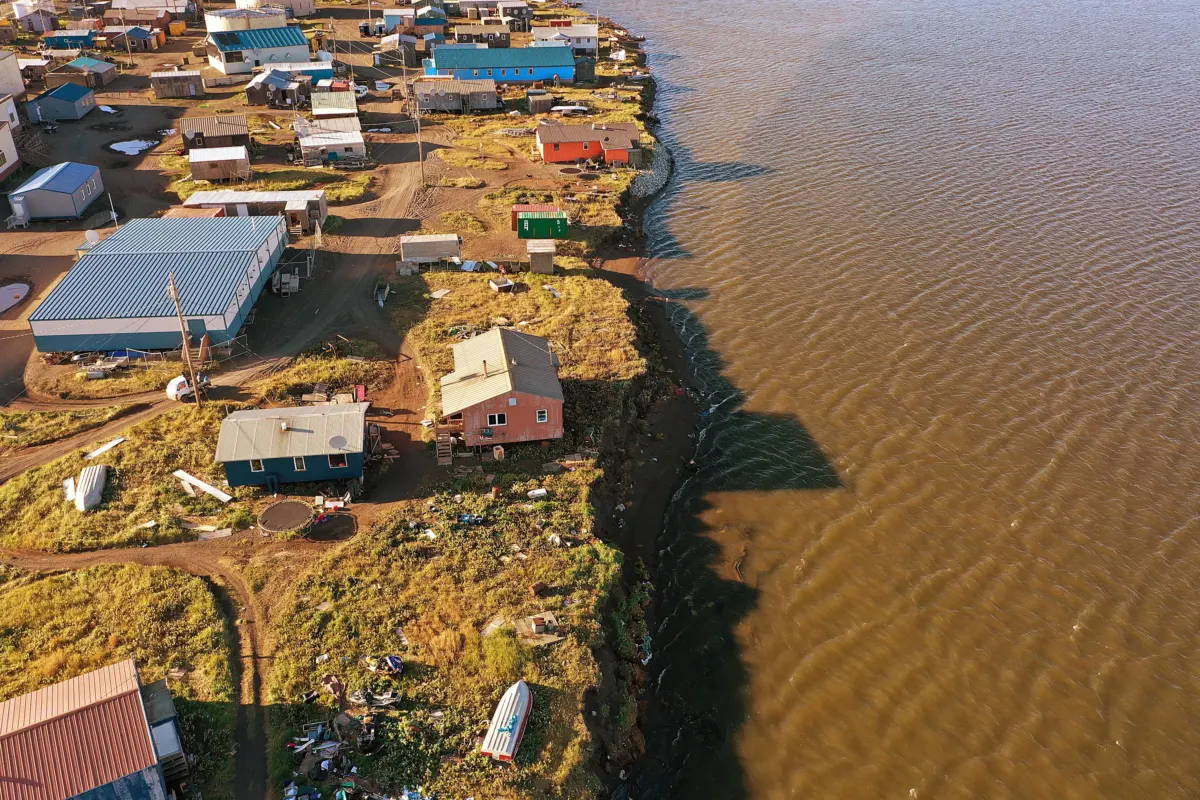
Those interventions have bought time, but they do not offer a permanent solution. The island itself continues to shrink as sea levels rise and coastal erosion accelerates, leaving the village in a prolonged state of uncertainty about where and how to rebuild elsewhere.
The Yes Theory visit captured a community caught between the hard realities of climate science and deep ties to place. The video, uploaded earlier this month, shows Thomas and Stefan attempting to understand what daily life means for people who may be among the first Americans displaced en masse by climate change.
The relocation challenge extends beyond physical moving costs. The new site that Reppi described as mosquito-ridden and marshy sits near where the village school already stands, suggesting the logistical and environmental complications that await even if residents agree to leave.
Federal agencies have been involved in Kivalina’s plight for years, yet no comprehensive relocation plan has fully materialized. The 2025 deadline set by the Corps of Engineers came and went without mass evacuation, leaving residents like Janet and Reppi to make their own calculations about risk and home.