


The cause of Catherine O’Hara’s death has been revealed as a pulmonary embolism, a blockage in the lung’s artery, according to her death certificate.
The beloved star of Home Alone passed away at the age of 71 last month, leaving fans and the Hollywood community in mourning.
Tributes have poured in for the Beetlejuice actor, including heartfelt words from her Home Alone co-star Macaulay Culkin.
The actor shared: “Mama. I thought we had time. I wanted more. I wanted to sit in a chair next to you. I heard you but I had so much more to say.
“I love you. I’ll see you later.”
Beyond the pulmonary embolism, her death certificate also mentioned rectal cancer as a contributing long-term condition.
The document indicated that O’Hara had been undergoing treatment for cancer since March 2025.

In essence, a pulmonary embolism is caused by a blood clot that obstructs the flow of blood to an artery in the lung.
“In most cases, the blood clot starts in a deep vein in the leg and travels to the lung,” explains the Mayo Clinic. “Rarely, the clot forms in a vein in another part of the body.”
Without prompt treatment, pulmonary embolism can be life-threatening.
The Mayo Clinic has described the symptoms of pulmonary embolism, which can vary depending on how much of the lung is affected, but there are some common signs to watch for.
Shortness of breath typically occurs ‘suddenly’, and chest pain similar to a heart attack is another frequent symptom.
Fainting episodes may also occur with pulmonary embolism, according to the Mayo Clinic.
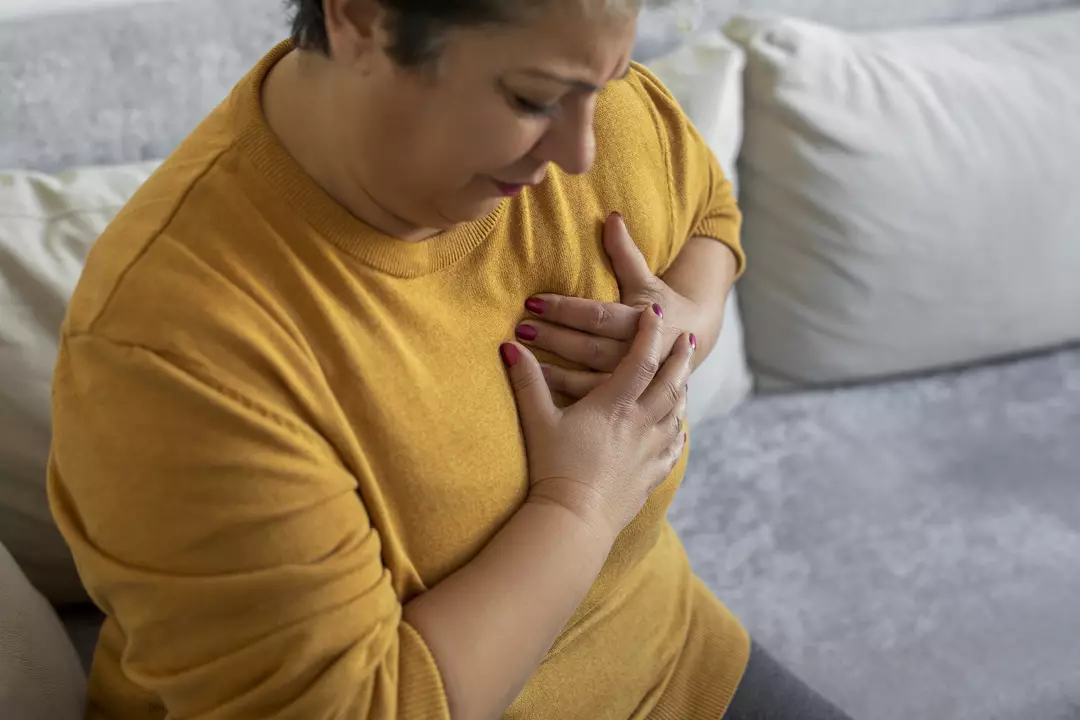
Additional symptoms to be aware of, as noted by the Mayo Clinic, include:
Steve Pugliese, M.D, an expert in this field, explained how symptoms might appear before a blood clot obstructs the lungs.
It might start with leg pain and swelling due to deep vein thrombosis (DVT), a condition where a clot forms in a deep vein.
“That will typically happen a few days before,” Mr. Pugliese explained. “So if all of a sudden you develop pain and swelling in the calf … and it’s not like this was something that happened after exercise, you should be thinking about a DVT that could potentially travel to the lungs.”