

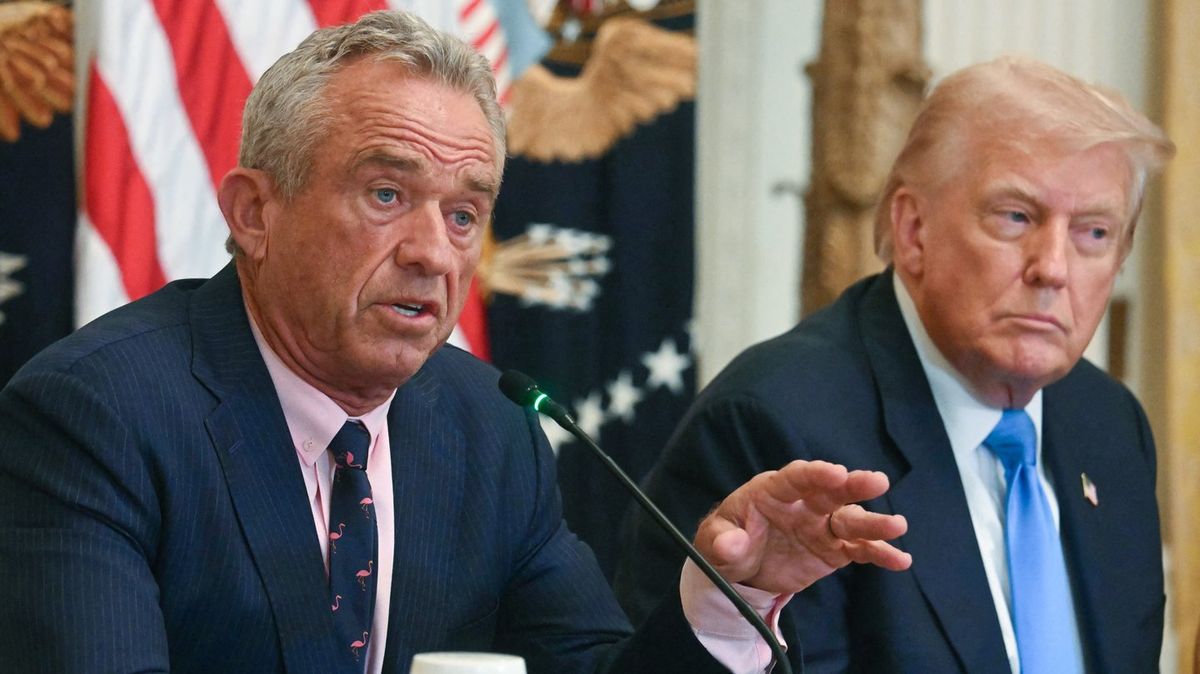
Donald Trump has sparked controversy after issuing a stark warning aimed at Iran — and his Health Secretary has now stepped in to defend him.
On Easter Sunday, Trump reacted after his initial effort to secure a ceasefire was reportedly rebuffed. He then posted on his social media platform, Truth Social, arguing that the US could take out Iran “in one night,” while also suggesting he might reconsider if the country reopened the Strait of Hormuz.
When his remarks appeared to have little effect — and as Americans began noticing higher gas prices — Trump returned to his platform with an even more severe message.
He threatened Iran: “A whole civilization will die tonight, never to be brought back again. I don’t want that to happen, but it probably will.”
He added: “However, now that we have Complete and Total Regime Change, where different, smarter, and less radicalized minds prevail, maybe something revolutionarily wonderful can happen, WHO KNOWS?”
Trump had also set a deadline of April 7 for Iran to accept a ceasefire, writing: “We will find out tonight, one of the most important moments in the long and complex history of the World. 47 years of extortion, corruption, and death, will finally end. God Bless the Great People of Iran!”
The comments triggered swift condemnation from politicians and members of the public. Senate Minority Leader Chuck Schumer, cited by The Independent, said: “This is an extremely sick person. Each Republican who refuses to join us in voting against this wanton war of choice owns every consequence of whatever the hell this is.”
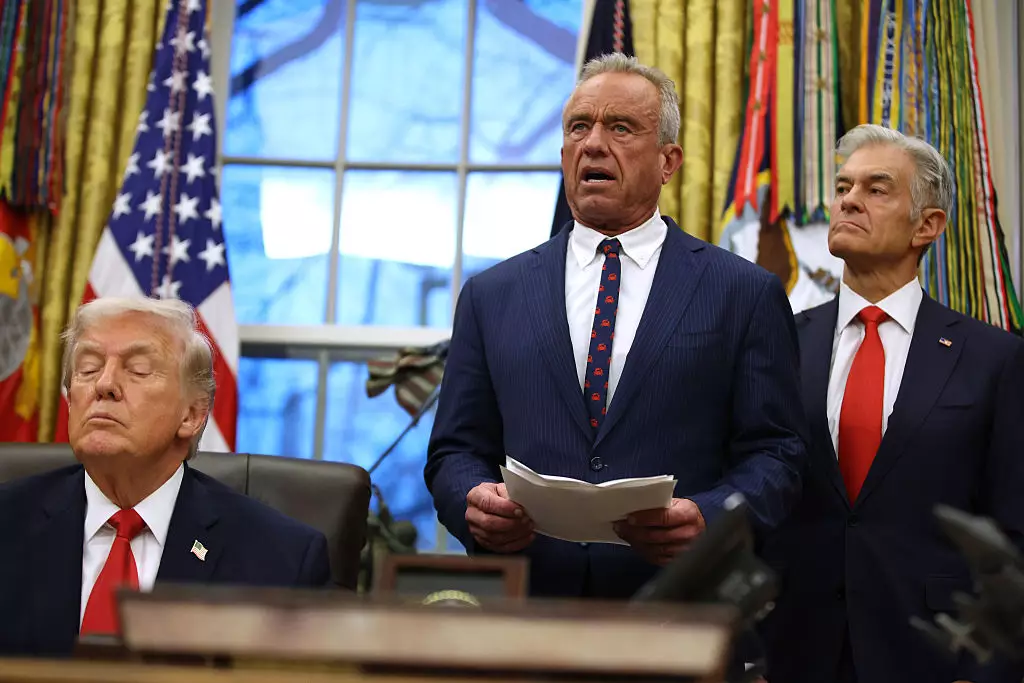
Now, Robert F. Kennedy Jr. Has claimed the president’s remarks were intended to be interpreted differently — suggesting they were ultimately a ‘message of love and compassion to the Iranian people.’
During a House hearing on Friday, April 17, Democratic lawmakers pressed Kennedy on whether Trump’s threatening language raised concerns about the president’s mental fitness.
That’s when he stated: “Absolutely not.
Describing Trump as ‘a genius’ in international relations and the ‘best business bargainer that we’ve ever had in the presidency,’ Kennedy argued that the statement carried a strategic intent.
He said to members of the House Education Committee: “It was clear that he was sending a nuanced message. He was sending a message of brute force and violence to the mullahs to incentivize them to change, but also sending a message of love and compassion to the Iranian people.”
He added: “So you can look at it and say, ‘Oh, it’s insane that he’d make this kind of threat.’ But he’s a dealmaker. He’s a bargainer.”