

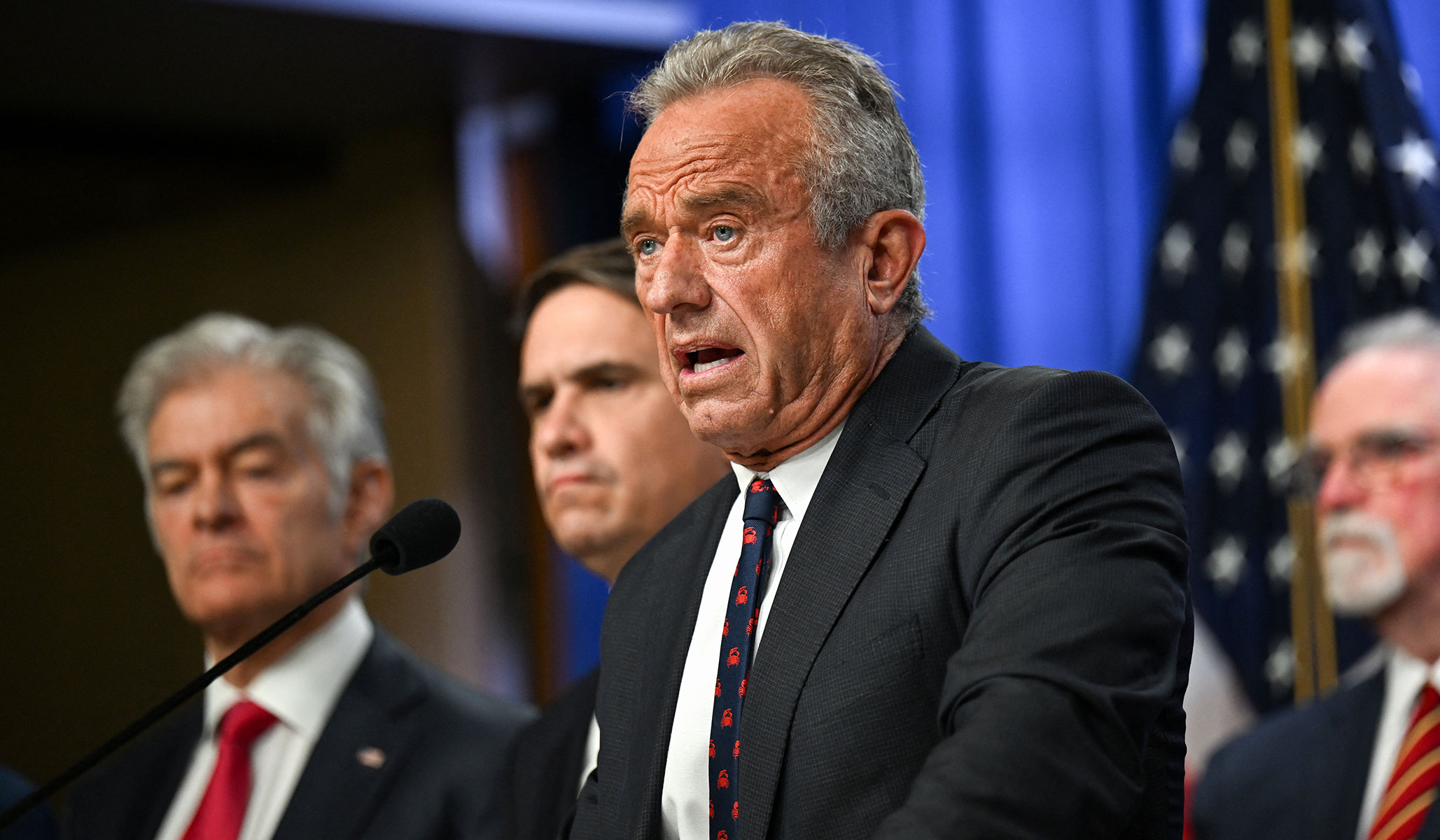
HHS decertified Kentucky organ procurement organization Network for Hope after the group ignored signs of life in several patients scheduled for organ donations.
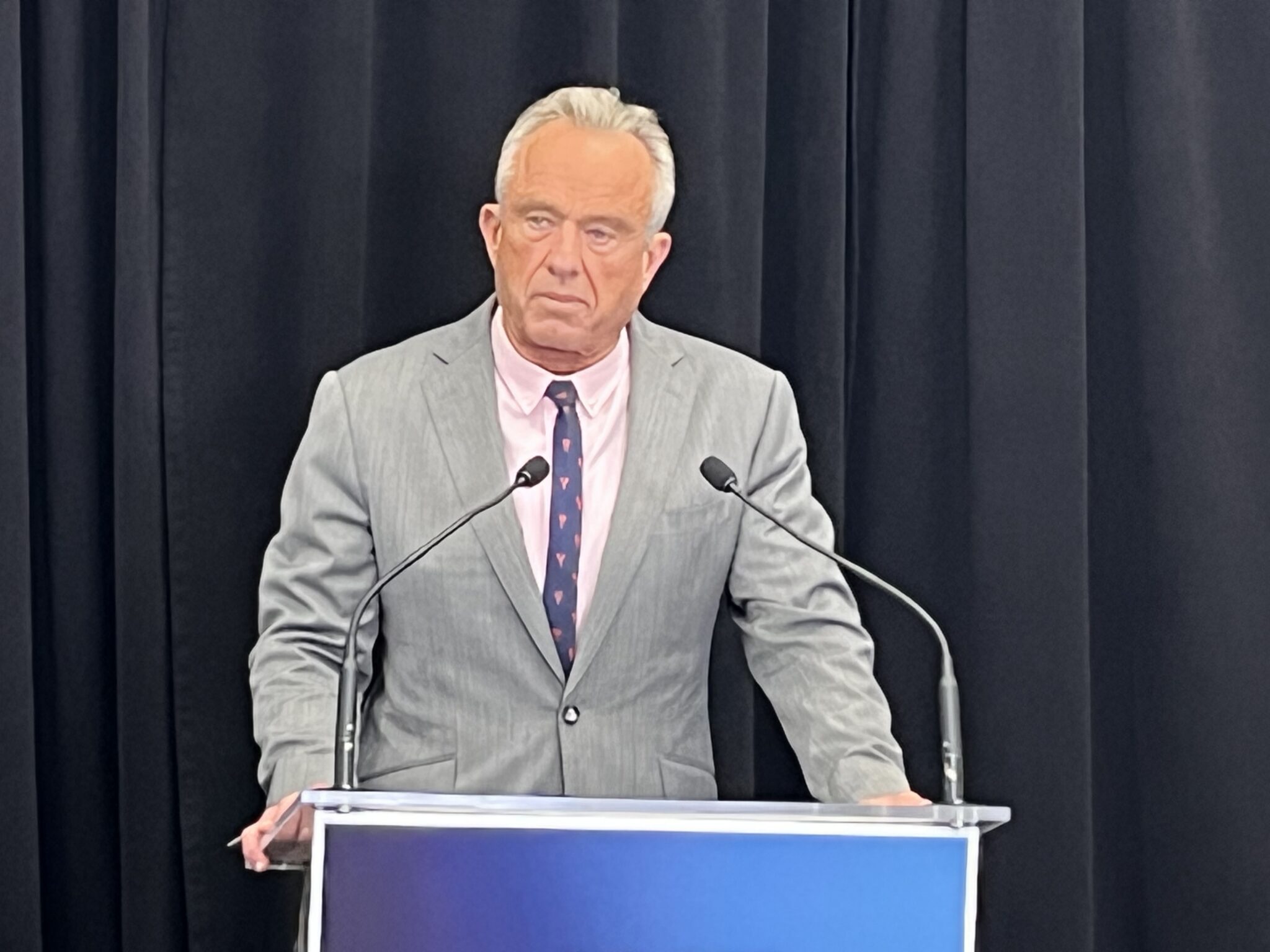
Health Secretary Robert F. Kennedy Jr. Announced the decertification of Network for Hope during a visit to the University of Kentucky on Wednesday, August 5.
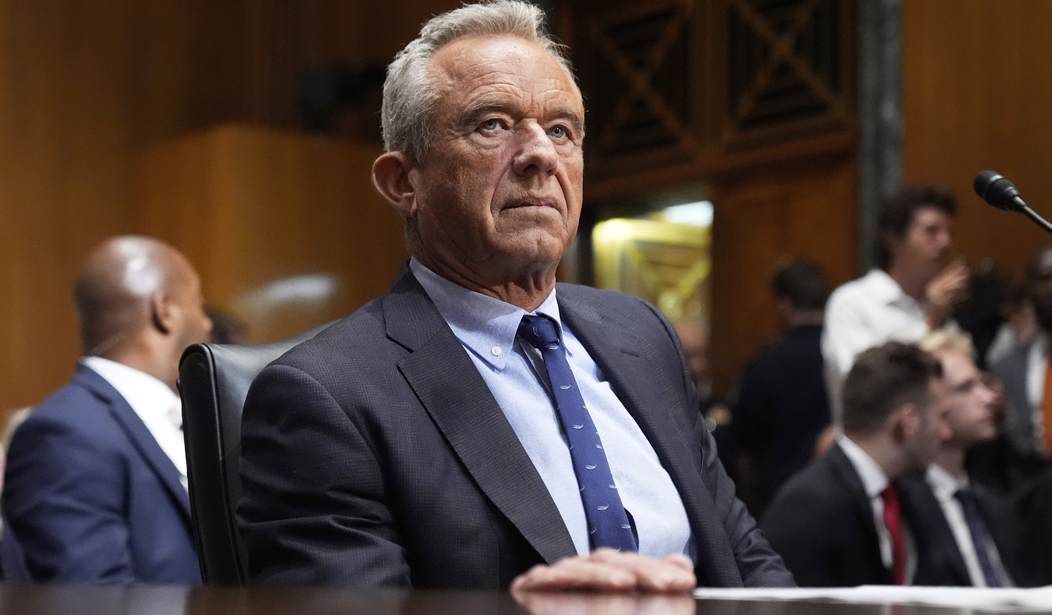
Kennedy announced that HHS has begun the decertification of Network for Hope, the organ procurement organization serving Kentucky and parts of Indiana, Ohio, and West Virginia.
“We reached this decision after extensive reviews by CMS and HRSA found persistent patient safety failures despite repeated oversight, repeated warnings, corrective action plans, and multiple opportunities to improve.”
Federal reviewers found serious deficiencies in nearly 30% of the cases they examined, and they found patients placed on the organ donation pathway who should have never been there.
“We found cases where the donation process continued despite signs that patients were not appropriate organ donors.”
“We found repeated failures in clinical judgment, oversight, and patient safety. And we found that these problems continued even after the organization promised to correct them.”
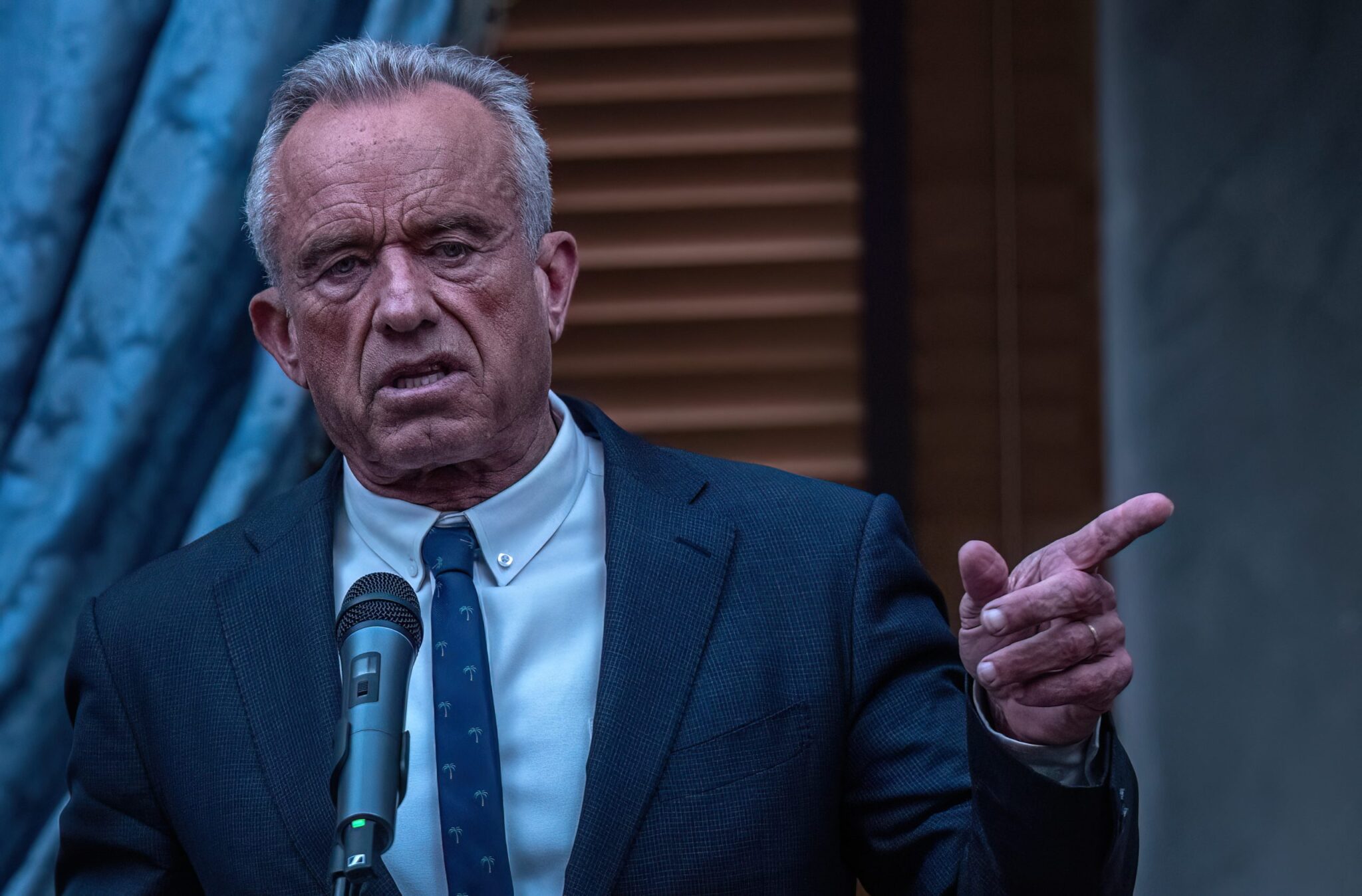
“Most organ procurement organizations carry out this work with professionalism, compassion, and deep respect for both donors and recipients. A Network For Hope repeatedly failed to meet those standards. It was a bad apple – an organization entrusted with the gift of life repeatedly put patients at risk. The federal government has the duty to act, and that’s why we’re acting today,” Kennedy said.
HHS’ Health Resources and Services Administration examined 351 cases at Network for Hope between 2021 and 2024 in which organ donation was authorized but ultimately not completed, and federal investigations revealed multiple instances where organ harvesting procedures were initiated on patients who still showed active neurological function and signs of life.
The review identified 103 cases with concerning features, including 73 patients with what HHS described as “neurological signs incompatible with organ donation,” and HHS says it uncovered 73 separate instances where the process of harvesting an organ should have been stopped sooner.
“The investigation revealed that the nonprofit pressured medical personnel to proceed despite patients showing active signs of live and neurological function.”
Network for Hope CEO Barry Massa stated that the organization is compliant with all Organ Procurement and Transplantation Network policies and has implemented a “pause in procedure” process, now a Kentucky law.
“Network for Hope (NFH) strongly disagrees with Secretary Kennedy’s decision to decertify our organization and will appeal this decision.”
“NFH is compliant with all OPTN policies and has implemented a first-of-its-kind ‘pause in procedure’ process. This pause process is now Kentucky law and NFH proudly worked hand-in-hand with legislators and regulators by providing input in the drafting both of the new law and its implementing regulations.”
Hoover and Rhorer both attended the press conference.
“I’m Donna Rhorer, TJ Hoover’s sister. I was there. I saw what happened to my brother. They prepared to recover his organs while he was still alive.”

“His eyes were open. He was tracking me, and they told me it was just reflexes. Then, during the heart catheterization, he was thrashing, crying, and grabbing the doctor’s hands to stop him,” Rhorer said.
Still, the process continued until the doctor refused to proceed, Rhorer said.
Rhorer said at the news conference Wednesday that when the hospital sent her brother home, they told her to make him comfortable because he wouldn’t live long – but that was five years ago. “We’re barely scraping by.”
“My life is taking care of my brother, and it wears me out sometimes. But this isn’t just about TJ. Families deserve confidence that every patient is treated safely and every safeguard is followed,” she said.
“If we don’t act, this will happen again,” she added.
Kennedy told Hoover he’s grateful he’s still here, and is thankful for the physicians who had the courage to do the right thing. “TJ’s story is a powerful reminder that every safeguard exists for a reason,” Kennedy said.
Anthony Thomas “TJ” Hoover II, 36, had his life change forever on Oct. 25, 2021, when he was admitted to Baptist Health Richmond’s Emergency Room.
Medical staff and Hoover’s family believed he was dead from an apparent methamphetamine overdose that occurred two days prior, which had left him on life support, prompting workers for the state non-profit for transplants, Kentucky Organ Donor Affiliates (KYDA), to approach the grieving sister to inform her that the 33-year-old was an organ donor.
During his honor walk, his eyes started to open, and he was checking around, looking to see what was going on.
The organ harvesting surgery was called off moments before he was taken off life support after a physician noticed the man moving and moaning while being taken to an operating room.
Network for Hope’s decertification marks the second such action nationally.