

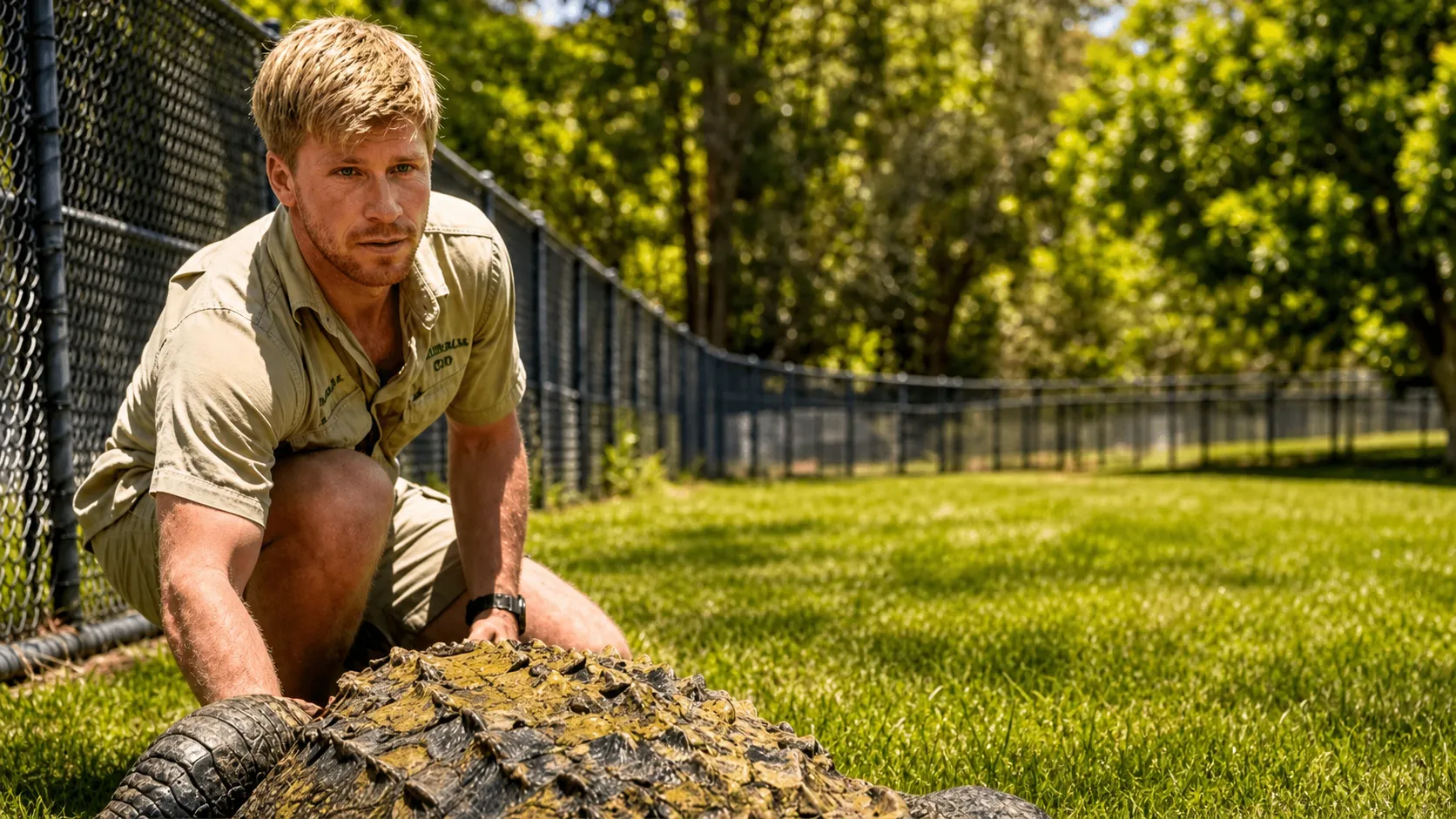
Robert Irwin is carrying forward his late father Steve Irwin’s conservation work, including playing a major role at Australia Zoo.
Together with his mother, Terri, and sister, Bindi, Robert helps oversee the family’s wildlife mission while taking an active role in day-to-day life at the 700-acre Queensland zoo.
He regularly appears in animal presentations, represents the zoo in the media, and continues the conservation work that made his father famous around the world.
As his public profile has grown, Robert has drawn attention not only for continuing that legacy but also for finding success in mainstream entertainment.
That rise has been boosted by his U.S. Win on Dancing with the Stars and his voice role as a koala in Zootopia 2.
Australia Zoo says its mission is centered on conservation and education, and Robert’s work there has often focused on helping people better understand crocodilians, including the species his family is most closely associated with in Australia. The zoo also remains a major wildlife tourism destination and a hub for rehabilitation and public education.
During an interview, Robert tackled one of the wildlife questions he gets asked most often: how to tell an alligator from a crocodile.
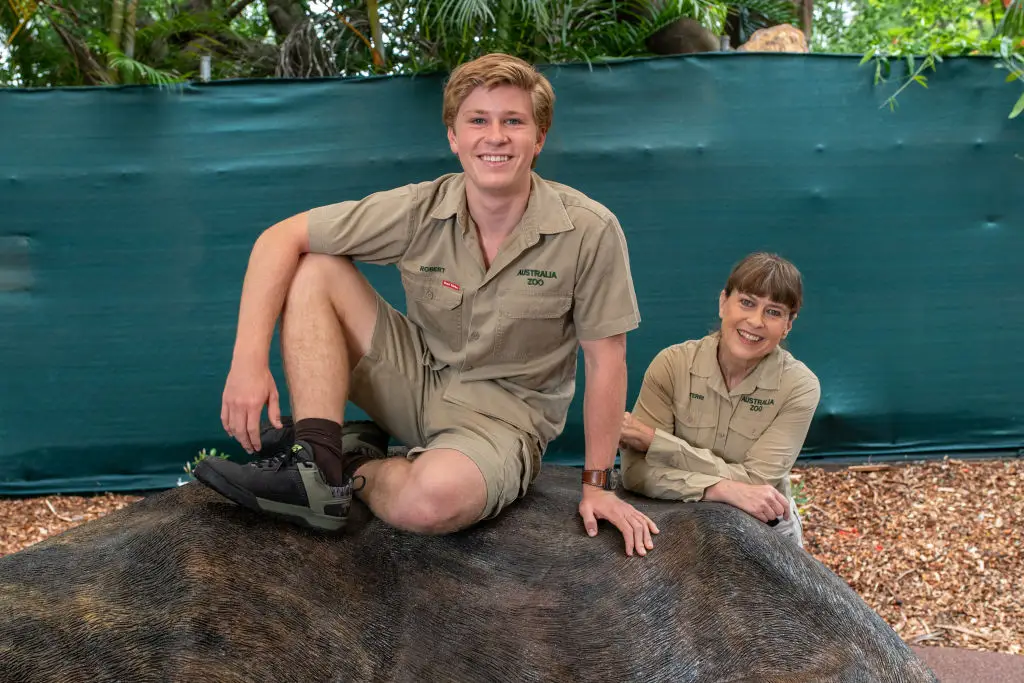
At first glance, the two reptiles can seem almost indistinguishable.
Both belong to an ancient lineage dating back more than 200 million years, and each has thick armored skin, immense strength, and fearsome jaws.
But Robert says there are several easy ways to separate them, starting with where they are found.
“Usually when people refer to an alligator, they refer to an American alligator.
“There’s also a Chinese alligator, but the American alligator is found in the southern states of the United States of America, whereas a crocodile, saltwater crocodile, is an Australian species.”
He also pointed to the teeth as another simple clue.
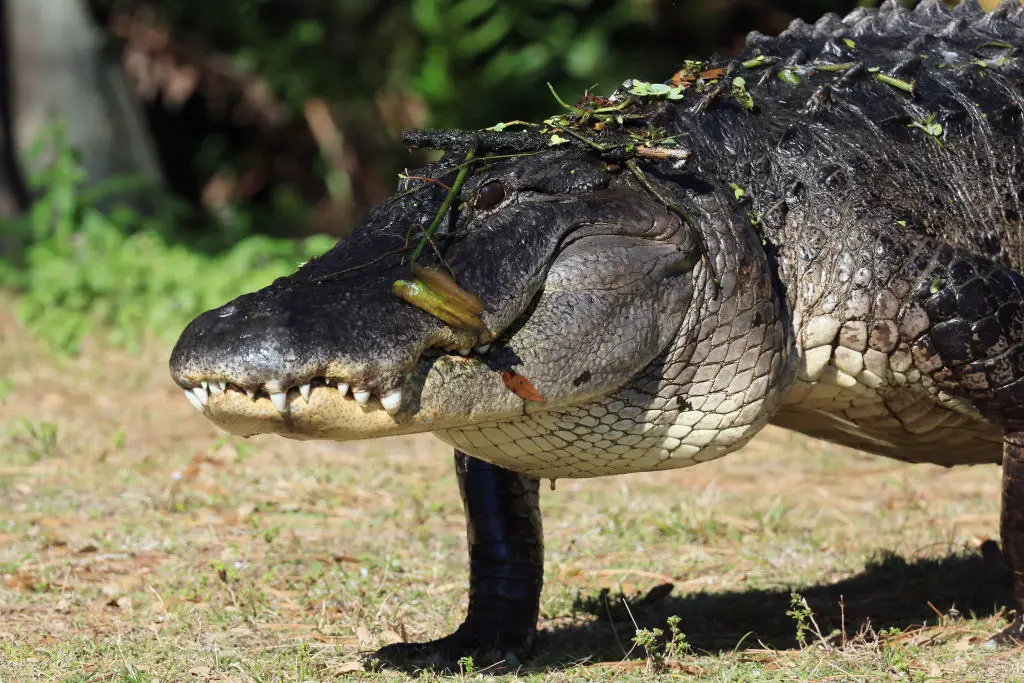
“When a crocodile closes its mouth, you can see top and bottom teeth interlocking, whereas when an alligator closes its mouth, you really only see the top teeth.
“The alligator has eyes that are on the top of its head, whereas a crocodile has a lot lower eyes.”
Head shape is another giveaway.
“The snout on a crocodile is triangular and elongated; however, the snout on an alligator is more blunt and U-shaped,” Robert added.
Size is another notable difference between the two.
Crocodiles are generally the larger and heavier animals. Saltwater crocodiles, the biggest crocodile species, can exceed 20 feet and weigh more than 2,000 pounds.
Alligators tend to be smaller by comparison. American alligators, which are the largest alligator species, usually reach around 10 to 15 feet and weigh somewhere between 500 and 1,000 pounds.
Beyond the headline differences, habitat can be a useful clue too. In the U.S., American alligators are most often associated with freshwater marshes, rivers, lakes and swamps, while American crocodiles are more commonly found in coastal, brackish or saltwater habitats. Crocodiles also tend to have a more visible fourth tooth on the lower jaw when their mouths are shut, a detail that wildlife agencies often use in identification guides.
Robert also said temperament is a major point of contrast.
“Lastly, their temperament. Crocodiles are going to try to get you, whereas alligators are adorable.”
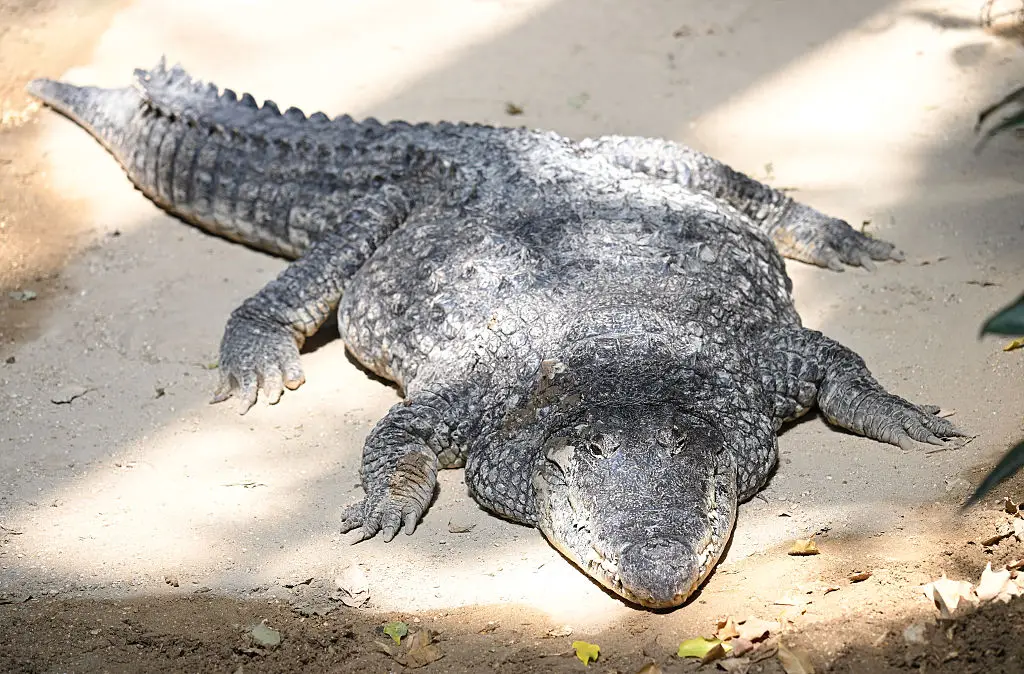
Research broadly supports that idea. Crocodiles are usually considered more aggressive, in part because they are more territorial, have a higher metabolism, and often hunt larger, faster prey such as zebra and wildebeest.
That has made them more explosive and reactive over time. Alligators, meanwhile, mostly feed on animals like fish and turtles, and are generally viewed as quieter and less confrontational.
Even so, wildlife experts stress that both animals are powerful wild predators and should be treated with caution and distance in any setting. The safest rule is not to rely on looks or assumptions at close range, but to observe from afar and follow local wildlife guidance.
Robert even shared that he has one alligator he thinks of almost like a pet.
“I mean, I can, like, call him over. His name’s Sanchez. I’ll be like, Hey, Chezy, Sanchez. And he’ll come over and give me a little pat.
“If I tried that with one of my crocs, it would be a very brief afternoon.”