

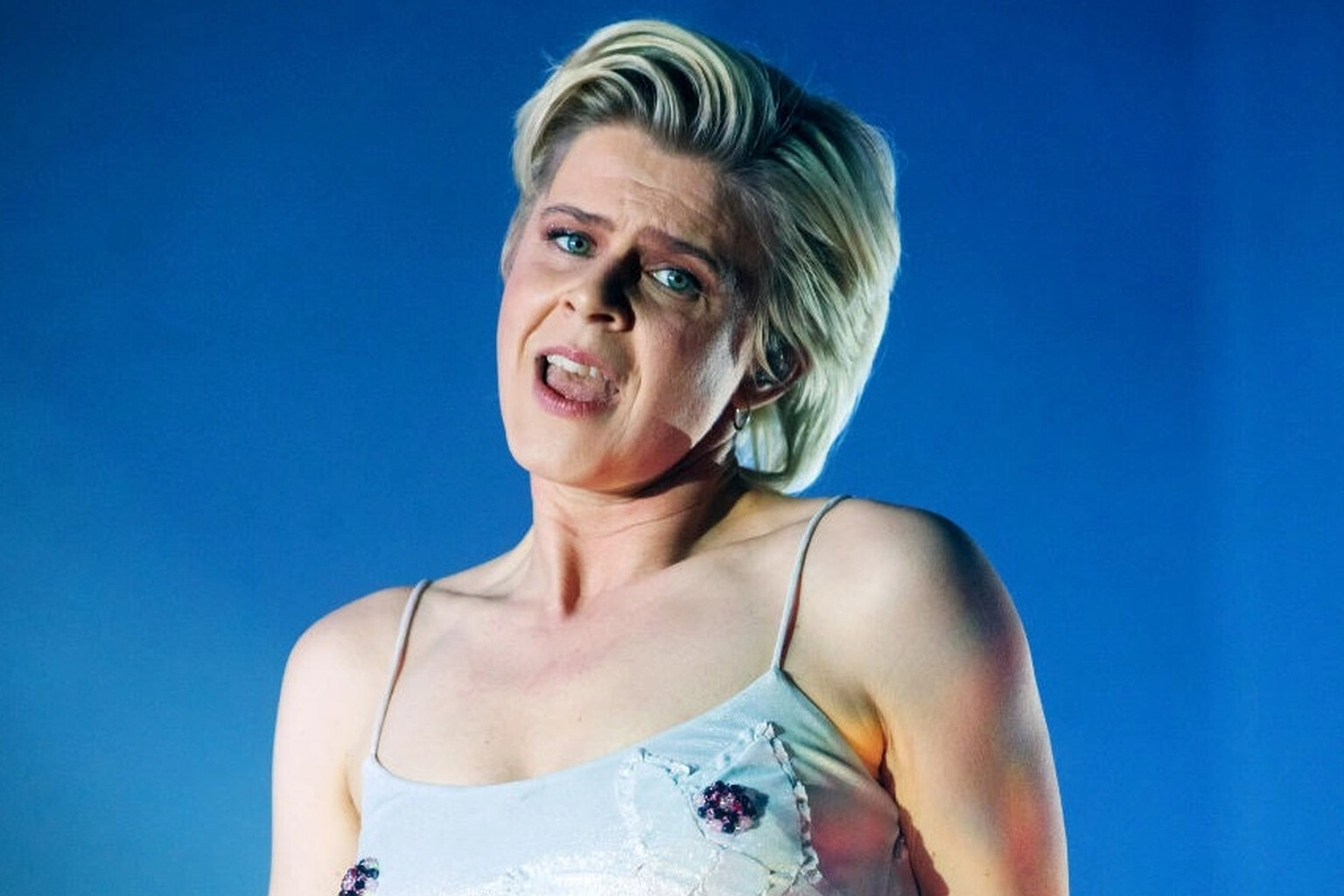
Robyn says single motherhood transformed her shame over “Dancing on My Own” into pride.
The Swedish singer, 45, opened up to Amy Poehler on the latest episode of Poehler’s “Good Hang” podcast about how becoming a solo parent through IVF rewired her relationship with the 2010 hit that defined her career. Robyn admitted she spent years feeling pigeonholed and embarrassed by the heartbroken persona the public attached to her.
“I used to hate it. I used to feel really embarrassed… By like the fact that I could only write really sad love songs. Like, ‘Grow up, like, get over it,'” she told Poehler. “I always loved ‘Dancing on My Own.’ I always loved all of those songs. I never regretted any of it. It was just more like I found myself just sad bangers, just gravitating to that all the time.”
The track emerged from raw emotional necessity rather than craft alone, she explained. “Dancing on My Own is really… Written from this place where it’s like a place that is very real to me and it makes me do things that are pretty good sometimes, but it’s not a comfortable place,” she continued. “It’s a sad place, and it’s like where I have nowhere else to go. And when there’s nowhere to go, I have to find myself out of this sticky situation with like my own machine. And that’s what that song is about: like reveling in this feeling of loneliness and finding power in it.”
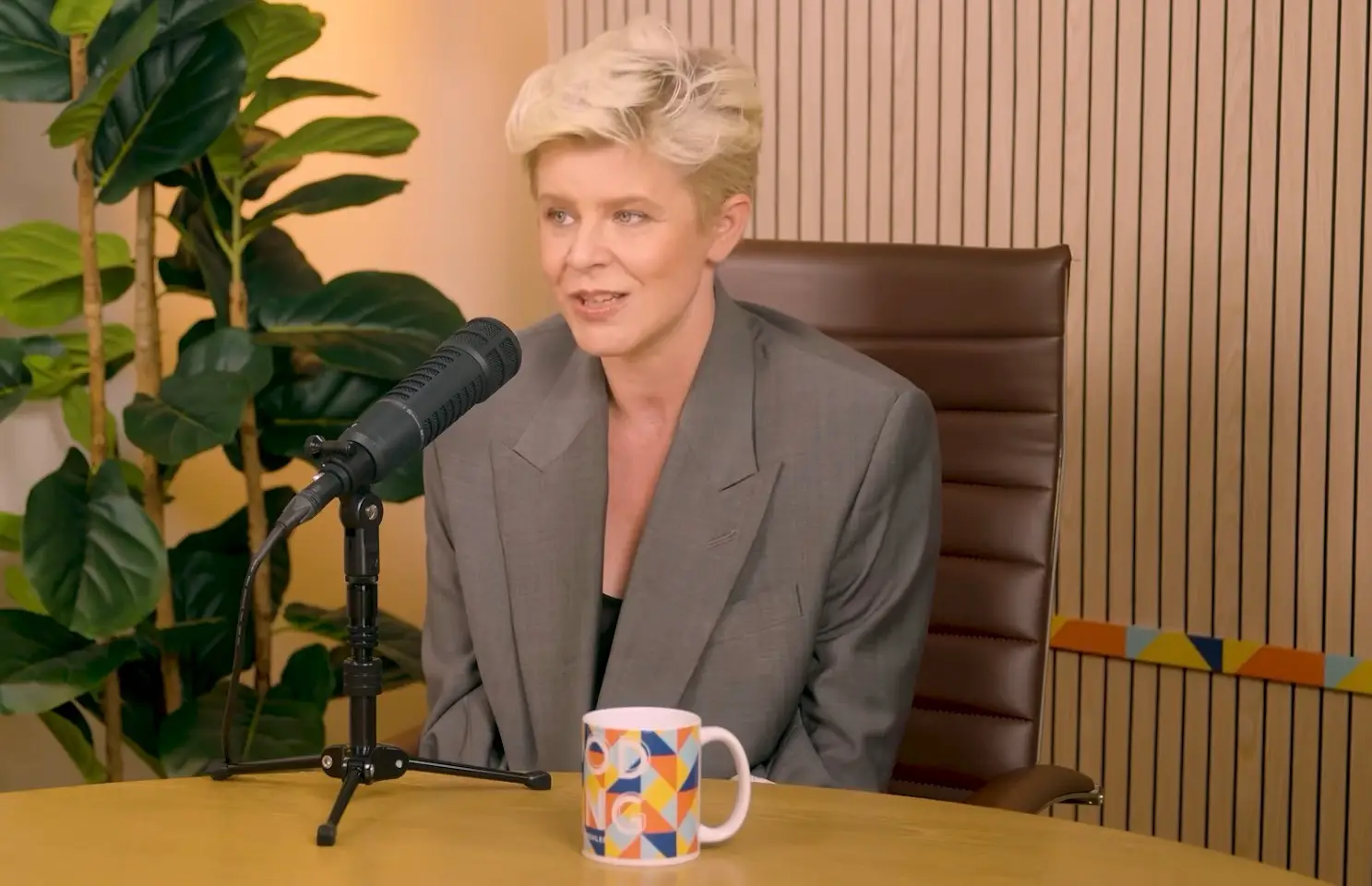
The turning point arrived when Robyn decided to pursue motherhood alone. The choice forced her to confront what she called her deepest inherited fear. “Really being on my own as a mother… That was the biggest fear,” she shared, connecting it to her father leaving her mother during her childhood. “I think it has to do that my dad left my mom, so that was like a very inherent fear… Like a shameful place to be.”
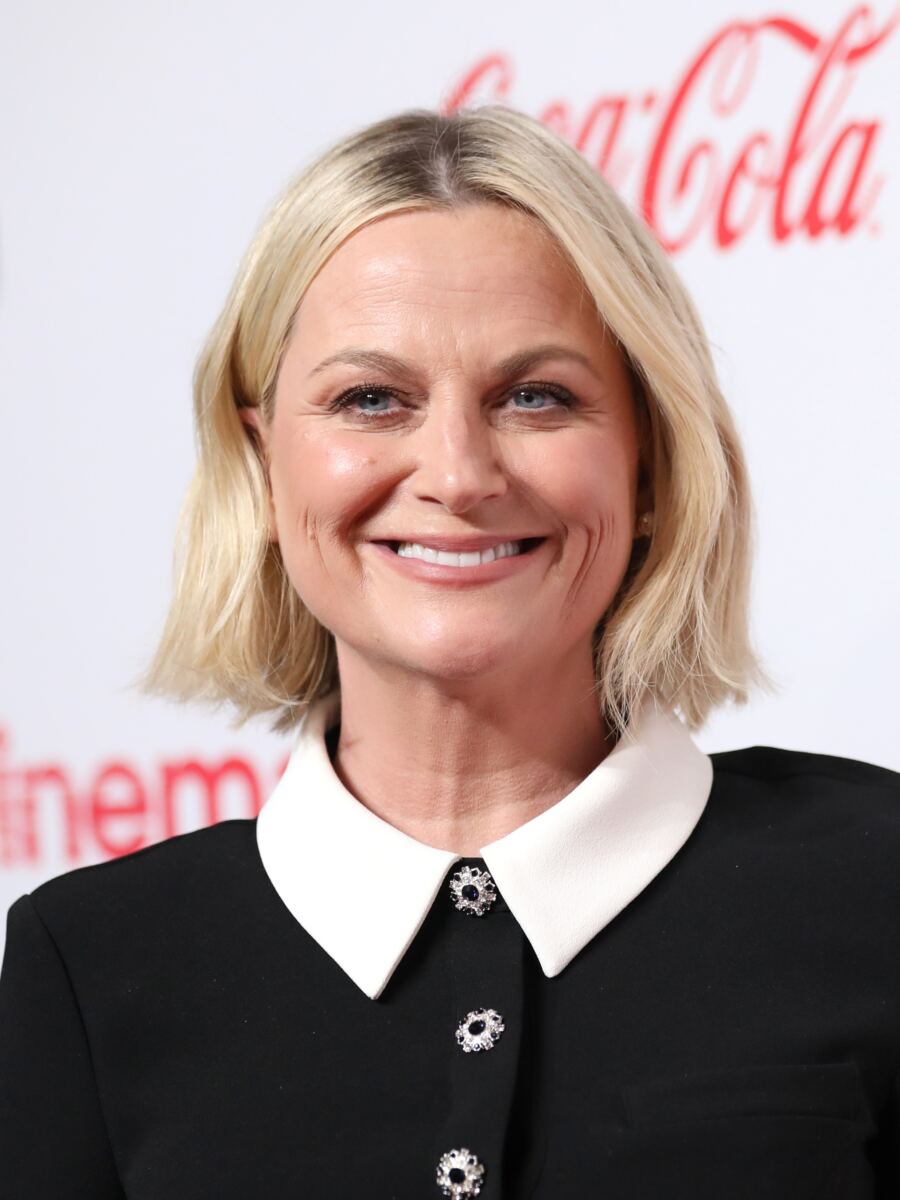
Close friends helped reframe the prospect, highlighting the creative freedom and clarity that solo parenting could offer. After working through the dread, Robyn found it dissolved entirely. “I just got over it. It was like totally fine,” she smiled. “It wasn’t a big thing at all.”
Parenthood plunged her back into the emotional territory that birthed “Dancing on My Own,” but this time with new eyes. “When I had a child on my own, I found myself—even if I had made up with the sad little girl that wrote that song—I found myself in that situation again,” she said. “And I started looking at ‘Dancing on My Own’ very differently. Like, that’s actually a really good skill. I’m happy that I know how to do that. I knew how to turn something that felt very heavy into like a good thing.”
Poehler endorsed the shift, observing that music at its best lets listeners inhabit uncomfortable spaces together.
Robyn’s candor about her creative insecurity adds a fresh layer to the legacy of “Body Talk,” the album that cemented her status as pop’s premier architect of melancholy dance music. Where she once saw her gravitational pull toward “sad bangers” as immature, she now frames that emotional alchemy as hard-won capability.