

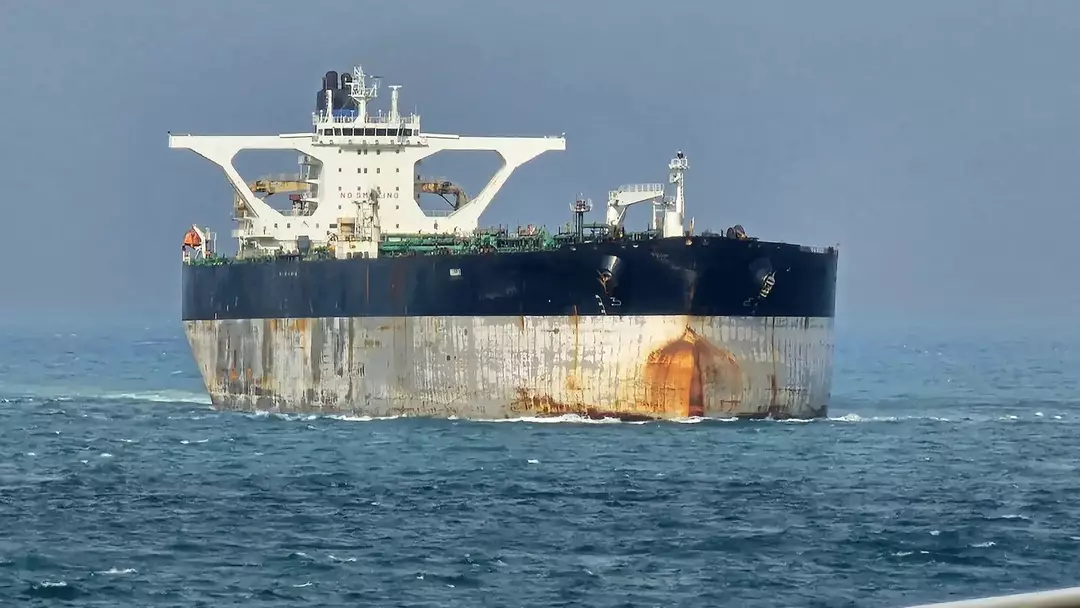
Russia has delivered a stern reaction to the US seizure of an oil tanker.
The vessel, named The Marinera, had navigated through a US-enforced blockade aimed at restricting access to Venezuela. This blockade was part of a larger US initiative against Venezuela, intensifying after the US carried out a bombing in the Venezuelan capital, Caracas, and detained President Nicolás Maduro.
While some have welcomed Maduro’s removal, US actions have been criticized for violating international law by undertaking military aggression without UN Security Council approval.
The situation has escalated following the detention of the oil tanker, prompting Russia to issue an official response.
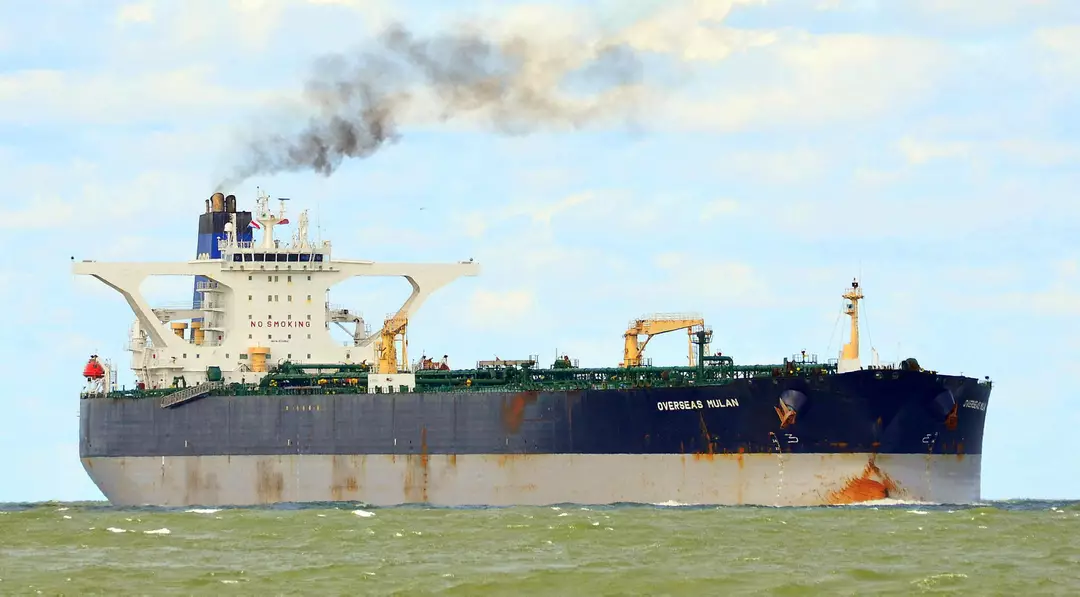
Russia’s Transport Ministry declared: “In accordance with the 1982 UN Convention on the Law of the Sea, freedom of navigation applies in the high seas, and no state has the right to use force against vessels duly registered in the jurisdictions of other states.”
The ministry further noted the loss of contact with the vessel.
In addition to the statement from the Transport Ministry, Russian lawmaker Andrei Klishas accused the US of ‘piracy’ on Telegram.
He stated: “After a ‘law enforcement operation’ that killed several dozen people in Venezuela, the US has engaged in outright piracy on the high seas.”
Russia has also urged that the sailors aboard the vessel not be harmed and be allowed to return home, but the US intends to prosecute them.
White House press secretary Karoline Leavitt explained in a press briefing today (January 7): “This was a Venezuelan shadow fleet vessel that has transported sanctioned oil. The vessel was deemed stateless after flying a false flag, and it had a judicial seizure order, and that’s why the crew will be subject to prosecution.”
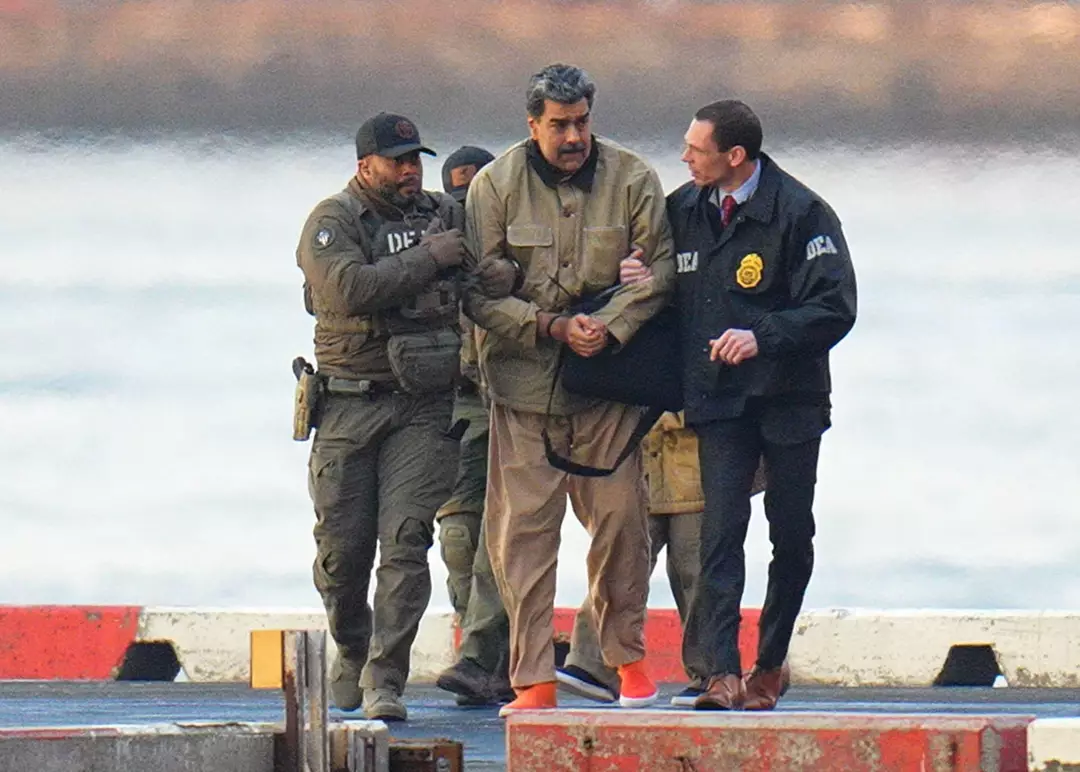
Maduro is charged with ‘narco-terrorism’ conspiracy, cocaine importation conspiracy, possession of machine guns and destructive devices, and conspiracy to possess machine guns and destructive devices against the US.
Venezuela possesses the world’s largest proven oil reserves, which some critics allege the US is eyeing.
Addressing Venezuela’s oil reserves, Rubio remarked: “We’re going to sell it in the marketplace, at market rates, not at the discounts Venezuela was getting.
“That money will then be handled in such a way that we will control how it is dispersed in a way that benefits the Venezuelan people, not corruption, not the regime.”
The future of Venezuela remains uncertain, and Trump seems to have overlooked the Venezuelan opposition leader in exile María Corina Machado.
Rubio informed reporters: “The bottom line is that there is a process now in place where we have tremendous control and leverage over what those interim authorities are doing and are able to do.
“But obviously this will be a process of transition. In the end, it will be up to the Venezuelan people to transform their country. We are prepared under the right conditions, using the leverage that we have, which includes the fact that they cannot move any oil unless we allow them to move it.”