

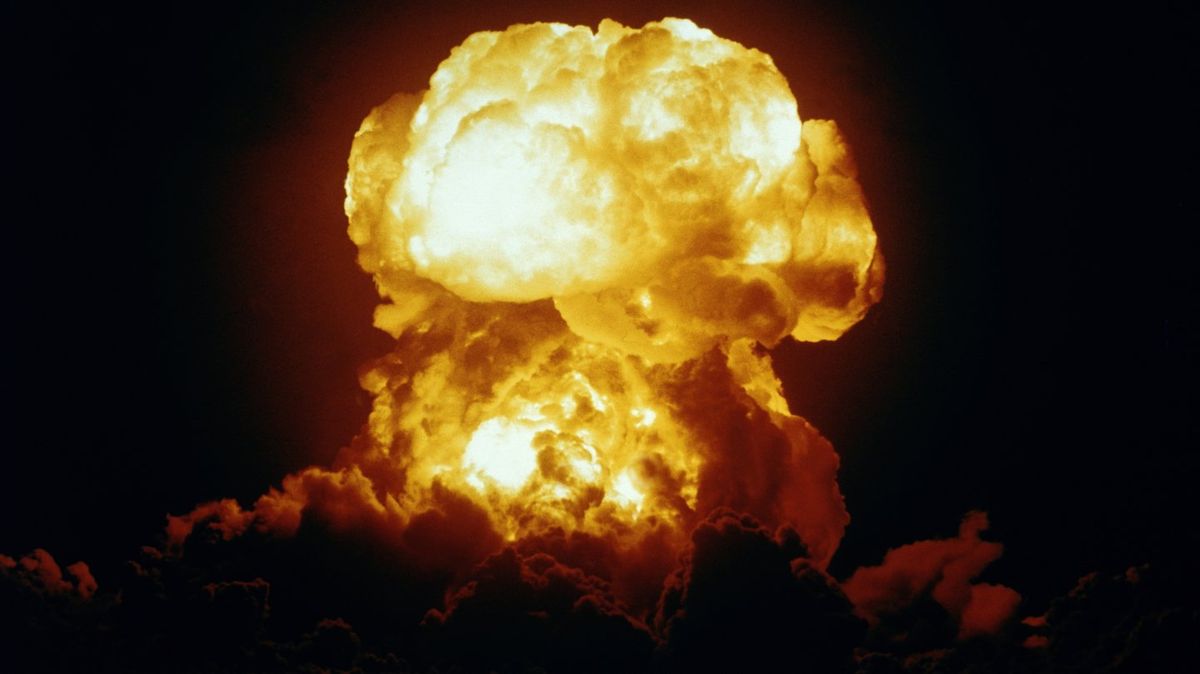
If global tensions were to spiral into a third world war, some parts of the US would be considered far less exposed than others.
Over the weekend, the US and Israel reportedly carried out air strikes on Iran as part of a joint effort described as ‘Operation Epic Fury’.
Sky News reports that multiple locations were hit, including Tehran, Isfahan, Tabriz, Kermanshah, and Qom.
The same reports also claimed that Supreme Leader Ayatollah Ali Khamenei’s residence was among the targets and that he was killed. Khamenei had led Iran for more than three decades.
With fears growing over possible retaliation, attention has turned to what could happen if the conflict widened. Despite warnings from Donald Trump, some analysts have suggested Iran could respond, and that any tit-for-tat escalation could raise the risk of a broader war.
If Iran were to strike back, one concern is that it could aim at US nuclear infrastructure, including missile silos spread across the country.
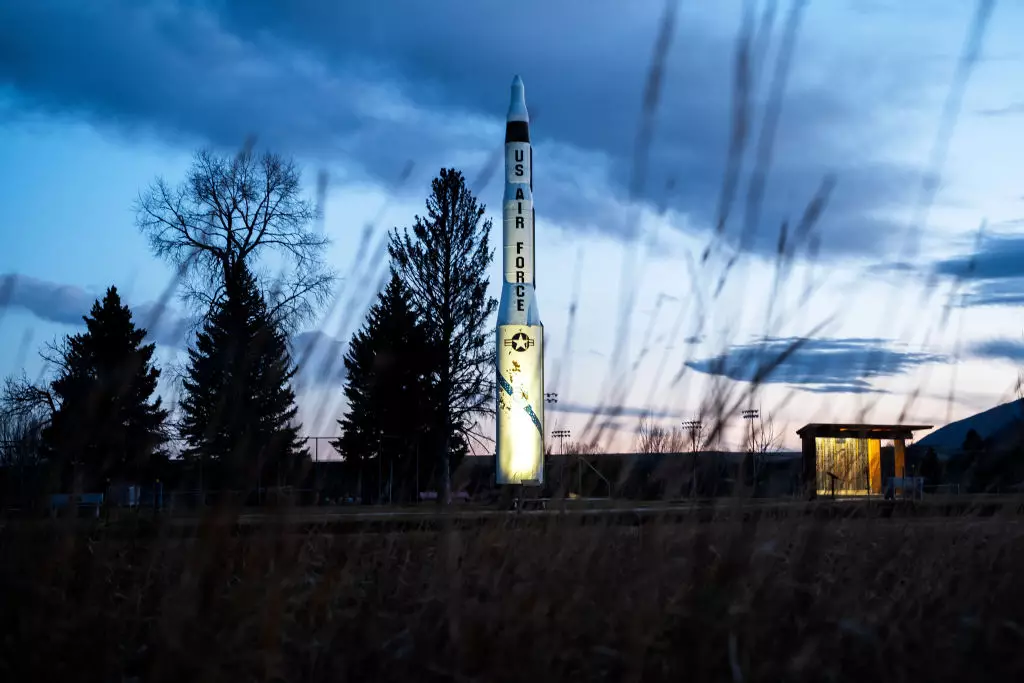
Nuclear Forces estimates the US has roughly 2,000 nuclear warheads, with a significant share based in Montana, North Dakota, and Nebraska. Smaller numbers are also said to be in Wyoming and Colorado.
Using that distribution, Newsweek reports that the states considered “safest” in a scenario where major nuclear sites were attacked would be those expected to receive the least radioactive fallout. These include Maine, New Hampshire, Vermont, Massachusetts, Rhode Island, Connecticut, New York, New Jersey, Pennsylvania, Delaware, Maryland, District of Columbia, Virginia, West Virginia, North Carolina, South Carolina, Georgia, Florida, Alabama, Mississippi, Tennessee, Kentucky, Ohio, Indiana, and Michigan.
The same analysis suggests Washington, Utah, New Mexico, and Illinois could also be relatively safer than areas close to key nuclear assets.
Those rankings are based on projected radiation exposure for people living in each state if critical nuclear locations were hit, with lower estimated cumulative doses indicating less risk.
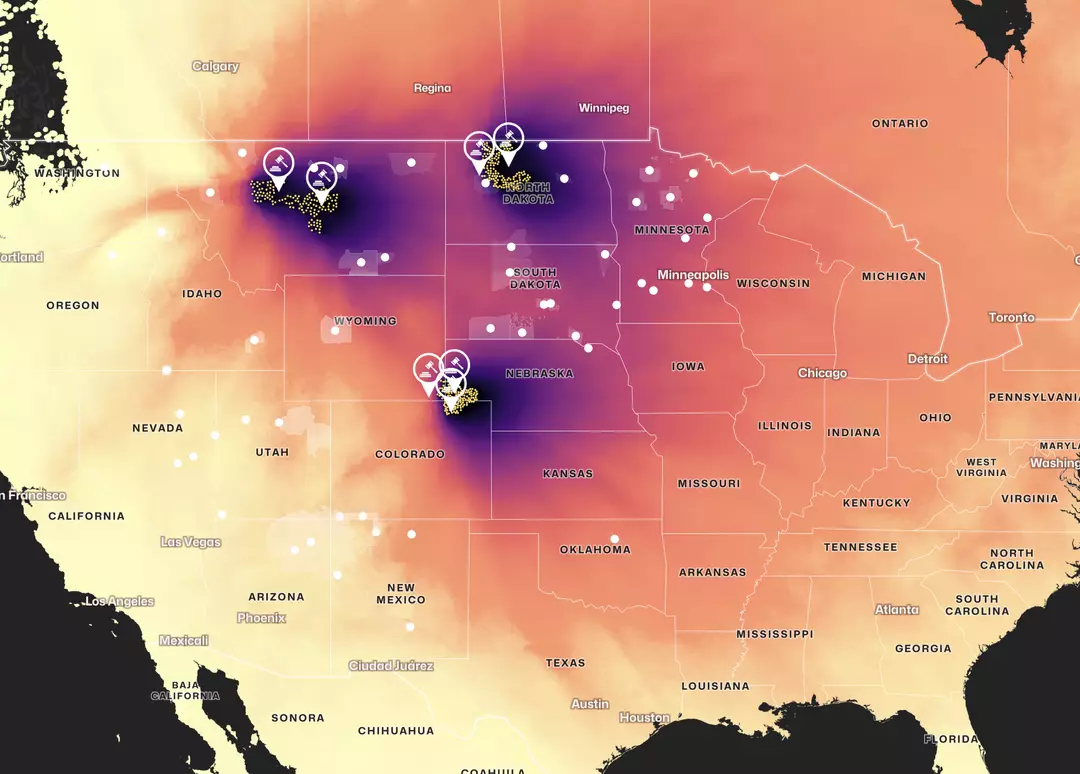
By contrast, states nearer to silo fields and related facilities—such as Montana, Wyoming, Colorado, Nebraska, South Dakota, North Dakota, Iowa, and Minnesota—could face far higher exposure in the model. The report suggests these areas might see radiation doses ranging from 1 Gy up to 84 Gy, while around 8 Gy can be fatal. Gy (gray) is the International System unit for measuring absorbed ionizing radiation.
Meanwhile, the states classed as safest in the same estimates could see totals closer to 0.001 Gy to 0.5 Gy.
Explaining its calculations, Newsweek said: “This is based on the average radiation exposure risk calculated for each latitude and longitude point, using a scale measuring the estimated cumulative radiation dose after four days in grays (Gy), a unit of ionizing radiation dose.”
Scientific American has also previously warned about the implications for regions that host large numbers of silos, offering a grim assessment of what a direct strike could mean.
“A concerted nuclear attack on the existing US silo fields – in Colorado, Wyoming, Nebraska, Montana and North Dakota – would annihilate all life in the surrounding regions and contaminate fertile agricultural land for years,” it said in 2023.