

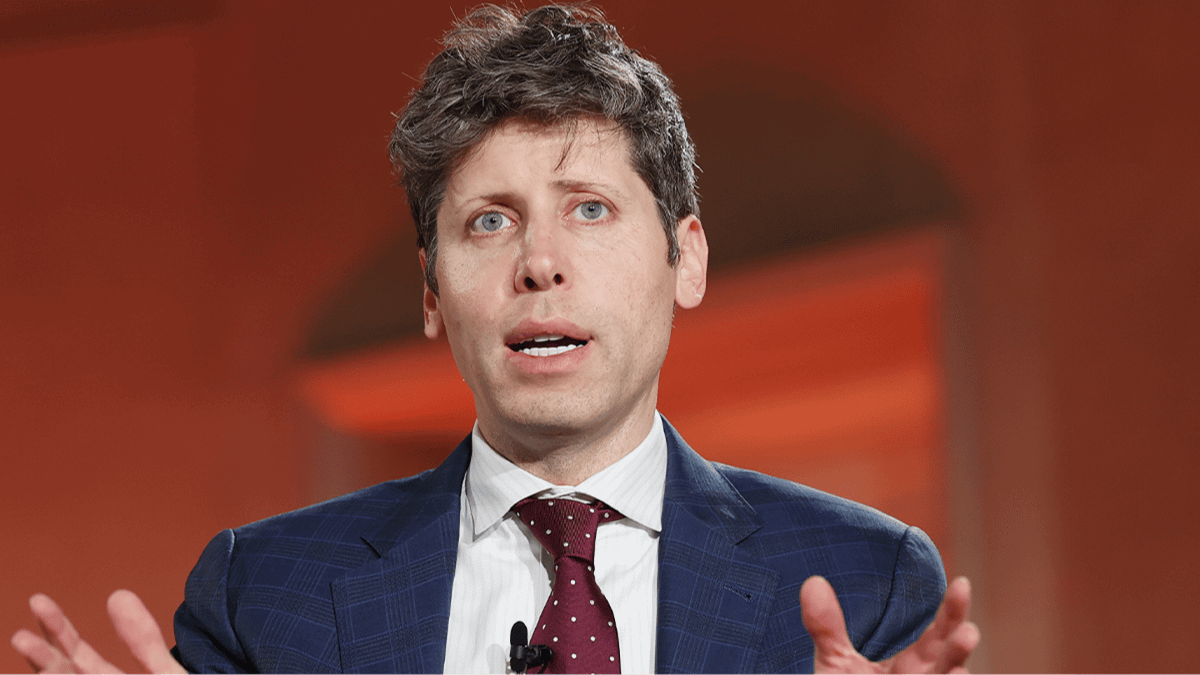
Sam Altman has sparked backlash online after sharing a parenting suggestion involving ChatGPT, with many social media users saying the idea misses the point.
The OpenAI chief has spent the past few years at the center of the AI boom, and ChatGPT has become a weekly tool for hundreds of millions of people since launching in 2022.
For many users, the chatbot is now part of everyday life, whether that means answering simple questions, summarizing long videos, or helping organize information more quickly.
Altman recently suggested another possible use for the technology, this time aimed at parents. But instead of being welcomed as a clever tip, the idea was widely criticized online.
cool use case of chatgpt work i heard last night:
connect your family calendars and explain your kids' interests.
every morning for the drive to school, have it make a podcast that talks about one kid's soccer game that afternoon, one kid's upcoming birthday, some news, etc.
— Sam Altman (@sama) July 31, 2026
Writing on X on Friday (July 31), Altman said:
“Cool use case of ChatGPT work i heard last night: connect your family calendars and explain your kids’ interests.
“Very morning for the drive to school, have it make a podcast that talks about one kid’s soccer game that afternoon, one kid’s upcoming birthday, some news, etc.”
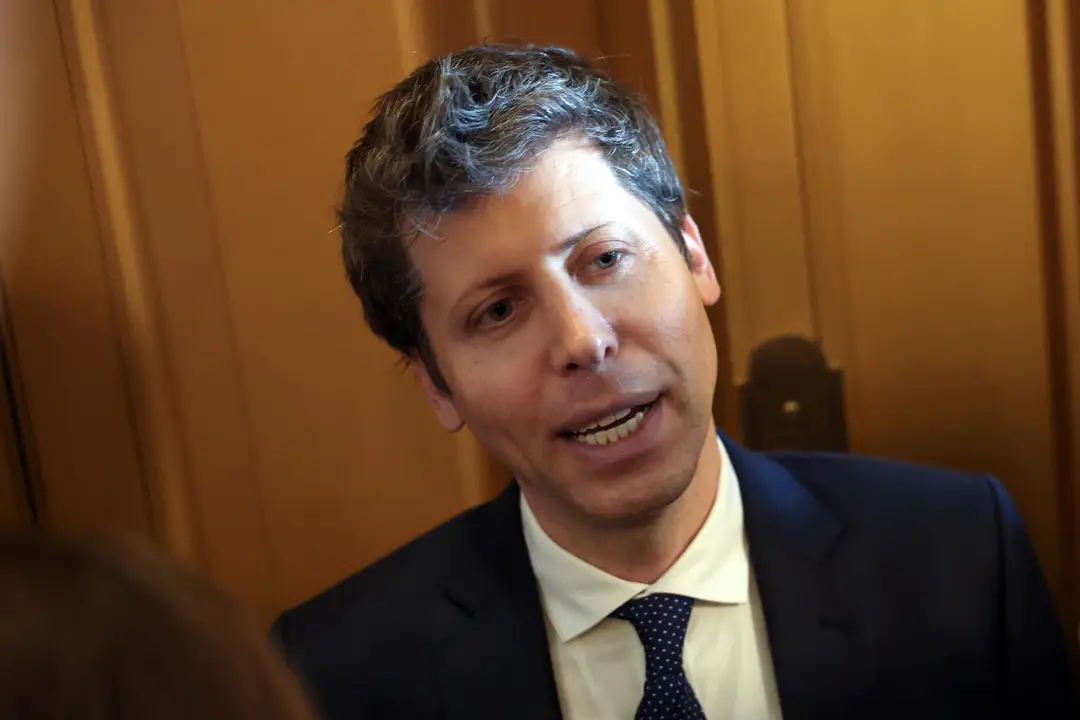
The reaction was swift, with many people arguing that a tool like this would only add more distance between parents and their children rather than improve family life.
Among the most prominent responses was one from Gravity Falls animator Alex Hirsch, who wrote:
“What if you just talked to your children.”
That reply quickly gained far more traction than Altman’s original post. At the time of writing, Altman’s tweet had just under 10,000 likes, while Hirsch’s response had climbed to roughly 140,000.
The imbalance made public opinion pretty clear.
Other users were similarly blunt in the replies. One person wrote “It’s wild how disconnected these tech people are from normal human behavior,” while another said:
“Or the parents could just have a conversation with the kids about those things. Terrible use case tbh.”
A further reply added:
“Or….. Hear me out. You could just talk to your child and actually be interested.”
There appeared to be very little support for the proposal, at least publicly. Critics argued the idea undermines genuine parent-child communication and would create distance rather than connection.
Altman’s parenting comments have drawn criticism before. He previously said on “The Tonight Show with Jimmy Fallon” that he could not imagine raising a newborn without ChatGPT, and has spoken about using the chatbot “constantly” during the first weeks after his son was born in February 2025. He welcomed his child via surrogacy with his husband, Oliver Mulherin. Altman said he used ChatGPT to answer fundamental childcare questions and manage new-parent anxiety, such as when his child wasn’t crawling by six months.
The latest controversy comes as OpenAI is making a strategic push into the family market. The company recently posted a job listing for a Product Manager, Families to shape AI experiences for families, caregivers and older adults. This signals OpenAI’s intent to position ChatGPT as household infrastructure beyond individual use cases. As of Q2 2026, approximately 24% of U.S. Smartphone users who are parents used ChatGPT, up from 16% a year earlier.
However, OpenAI faces significant legal challenges related to AI and children. The company faces multiple lawsuits from parents and families alleging that ChatGPT played a role in loved ones’ delusions and suicides. In response, OpenAI has added parental controls features, including the ability to set quiet hours, turn off voice mode, limit image generation, and enable Study Mode for linked teen accounts. The company expanded these parental alert notifications in July 2026 to include cases where a linked teen’s account has been deactivated for violent threats.
Still, Altman is not alone in raising unusual examples of how AI could fit into daily routines. OpenAI president Greg Brockman shared a related observation on X a day later, this time about workplace interactions.
He wrote:
“At OpenAI, many people hook their ChatGPT up to Slack. People really don’t like when a coworker’s ChatGPT contacts them asking for help with a task, even when they’d be perfectly happy doing that same work if asked by that coworker.
“[This] reinforces how much people care about human relationships and helping each other, and want AI to give time back — or enhance time together — rather than become a layer separating people.”