

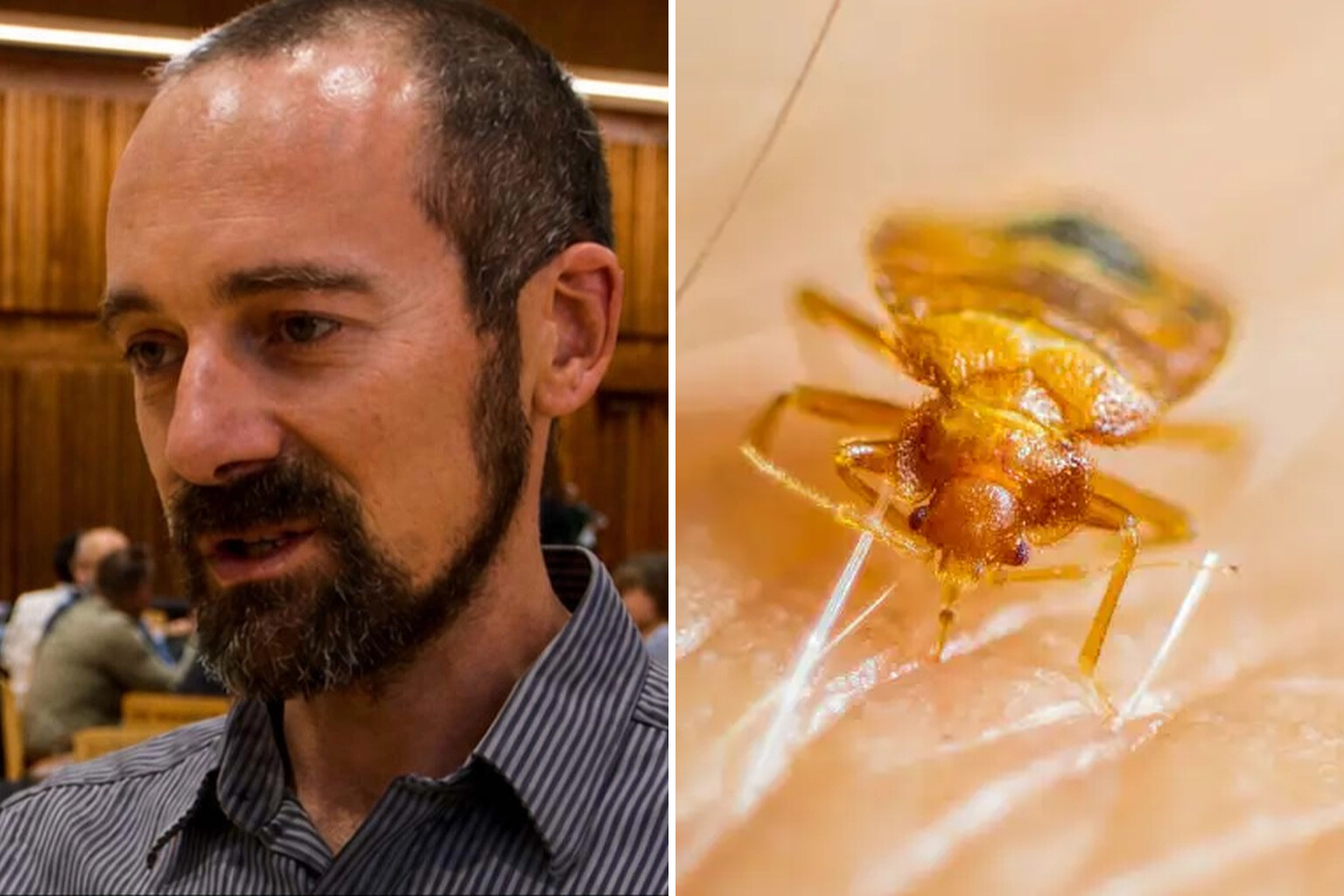
Dr. Richard Naylor has revealed he stopped reacting to bedbug bites after millions of them over five years of sleeping alongside his research colony.
The entomologist, who keeps 50,000 to 60,000 of the insects at a lab in the Forest of Dean, Gloucestershire, said that his skin now shows only a brief red patch that fades within half an hour. “I must have been bitten millions of times by now, so I stopped reacting a long time ago,” he said. “I get a red patch on my arm after the bugs have fed, but it disappears after about half an hour.”
Naylor serves as director of the not-for-profit Bed Bug Foundation and operates his research facility from a self-contained two-bedroom suite built in his garden. The setup allows him to maintain what may be one of Britain’s largest captive bedbug populations for commercial testing purposes.
His unusual sleeping arrangements serve a practical function in product development. The insects enter a dormant state without a human host present, making his body essential to the work. “If there is no-one sleeping in a bed, the bedbugs just sleep, they just go on standby,” he explained. “And so I can’t test anything in the test bedrooms without there being a host in there.”
Twice weekly, Naylor conducts what he calls a “feeding day,” strapping containers of bedbugs directly to his arm while continuing with his regular duties. The colony he maintains also supplies specimens shipped internationally, primarily to canine detection teams that assist hotels in identifying infestations before they spread.
The scale of Naylor’s operation reflects a growing global challenge. According to his research and field observations, bedbugs have developed widespread resistance to modern insecticide sprays, rendering many conventional treatments ineffective. The resilience of the species has turned what was once a manageable nuisance into a persistent urban problem with consequences he compares to psychological trauma.
“I don’t know of any other pest that has the same level of emotional and psychological impact on people,” Naylor said. “It can leave people with lasting PTSD-type symptoms.”
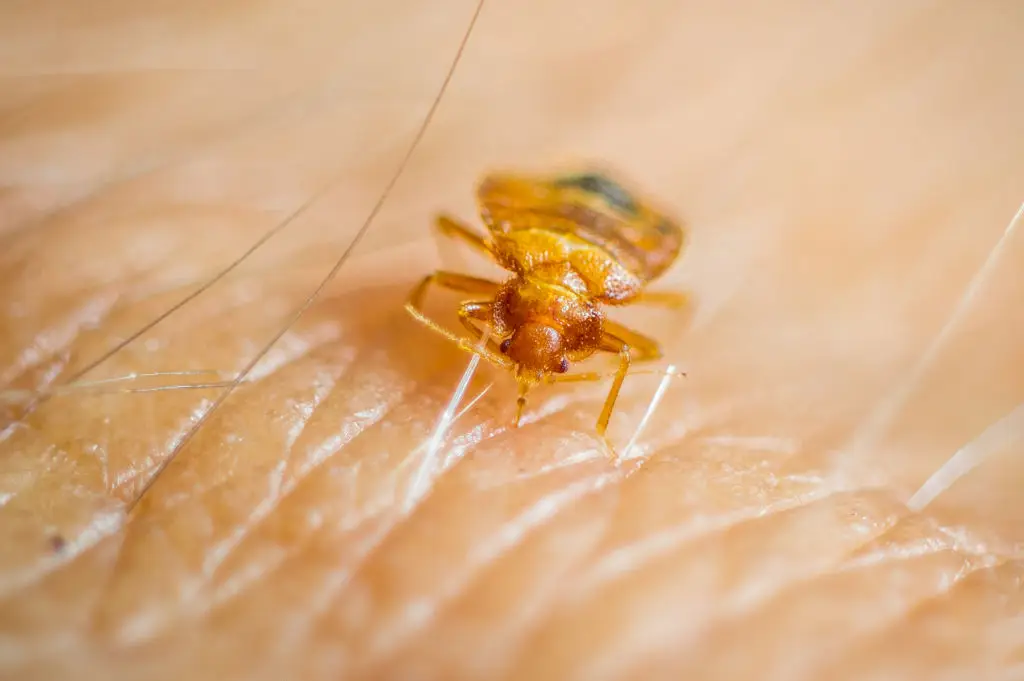
His work has made him an authority on the insects’ behavior patterns. Naylor notes that contrary to popular belief, bedbugs do not burrow into bedding itself but instead cluster in nearby concealed locations. “They don’t hide in the bedding, they want to hide nearby in a little dark crevice,” he said. “It would probably be somewhere down the back of the bed or around zips and the piping around the edge of a mattress.” He identifies the inky black spots the insects leave behind, often in x-shaped patterns, as a key diagnostic indicator for suspected infestations.
The Bed Bug Foundation, which Naylor founded and directs, publishes guidance for households confronting potential outbreaks. Its recommendations include decluttering the sleeping area to eliminate escape routes for fleeing insects, sealing bedding and soft furnishings in bags for hot washing, systematic inspection of mattress seams and bed frames, thorough vacuuming, and installing bed isolation devices that prevent bugs from re-establishing access after treatment.
For those already bitten, Ade Williams, lead pharmacist at Bedminster Pharmacy in Bristol, England, confirmed that bites typically appear in clustered formations or linear patterns. “Outside of the immense discomfort they cause by itching, they don’t usually carry any health risks,” he said. Williams cautioned against scratching, which risks secondary infection, and recommended antihistamine tablets and emollient creams for symptom relief.
The UK’s National Health Service acknowledges that severe allergic reactions to bedbug bites remain possible though rare, advising cool compresses to reduce itching and swelling.
Naylor’s advice for anyone suspecting an infestation is unequivocal: contact a professional rather than attempting self-treatment.