

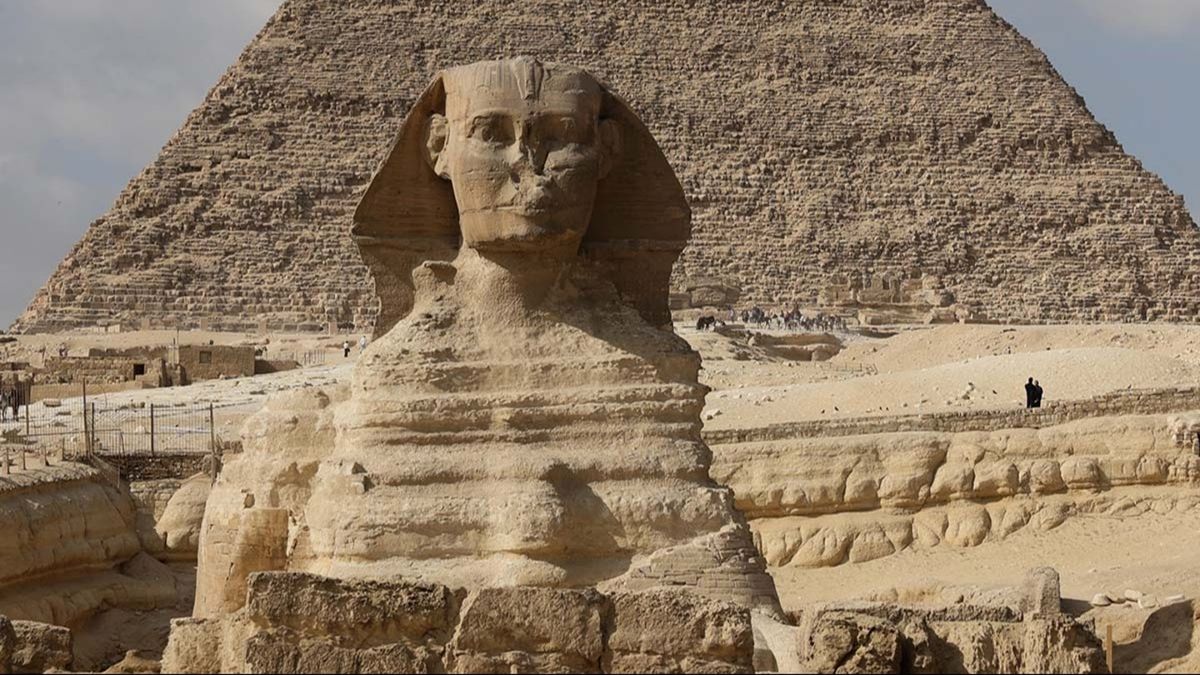
Scientists examining fresh scan data from Egypt say there may be another Sphinx hidden beneath the sands near Giza.
A research team that carried out subterranean surveys around the Great Pyramid of Giza says its results suggest a second Sphinx-like structure could be buried deep underground.
Radar engineer Filippo Biondi discussed the work on the Matt Beall Limitless podcast, saying he was ’very confident to announce’ what he believes is evidence pointing to a second Sphinx. Although the wider team is still working to verify the idea, he described his personal confidence level as ‘about 80 percent’.
Biondi is part of an Italian group that also argues it has detected signs of a large, previously unknown complex beneath the Khafre pyramid, one of the three main pyramids on the Giza Plateau.
To produce their models, the researchers sent radar signals below the pyramid and then converted the returning data into sound waves, which they say helped them visualize potential underground formations.
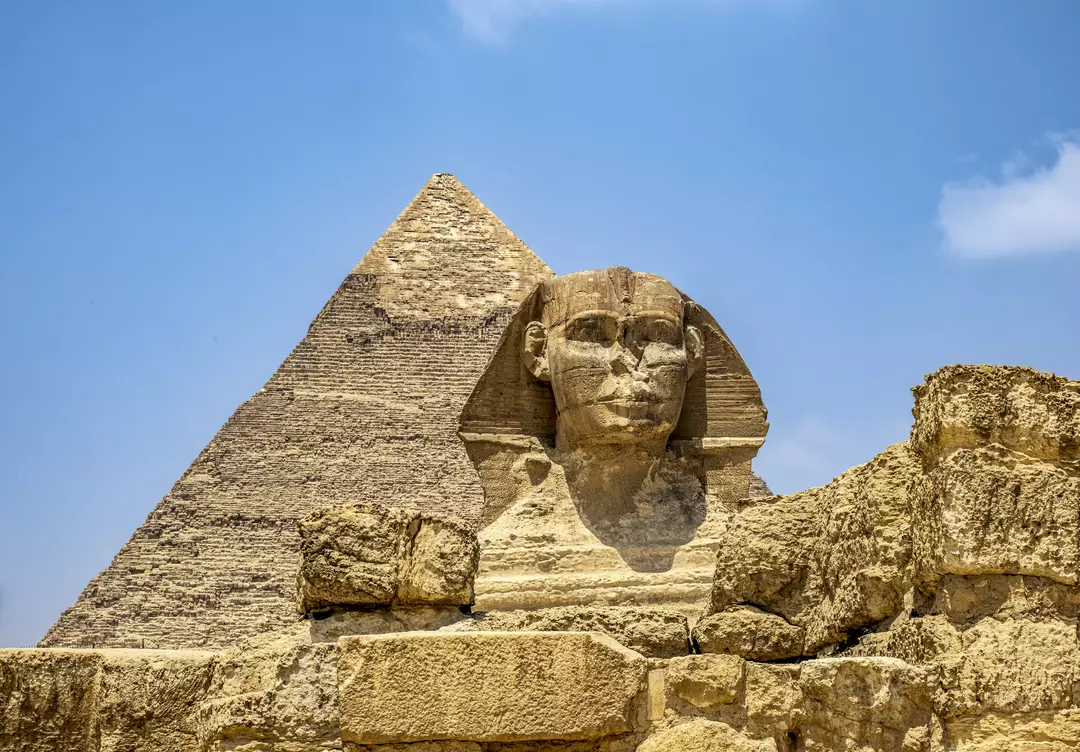
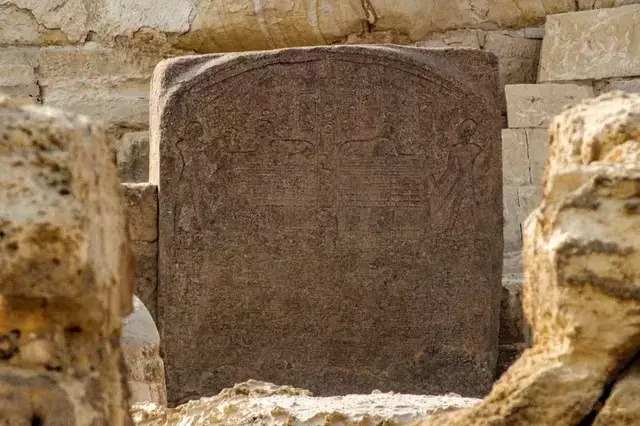
Interest in the claim is heightened by the Dream Stele — a granite slab set between the Great Sphinx’s paws — which includes imagery that appears to depict two Sphinx figures. Some interpretations have suggested this may hint the area was once envisioned to feature two Sphinxes rather than a single statue, though that remains speculative.
At the same time, many specialists warn that the stele’s figures may be symbolic or artistic, and that there is currently no archaeological confirmation of a second Sphinx at Giza. For now, the Great Sphinx is still the only verified monument of its kind at the site.
Biondi, however, argues the scan results indicate more than symbolism. He said, ‘We scanned the first Sphinx, all the pyramids, the conjunction between the Sphinx and the Khafre pyramid’ as part of building a map of what might exist beneath the surface.
Based on his interpretation, the data points to networks of ‘vertical shafts, horizontal passages’, and he further claimed an ‘underground megastructure’ may extend beyond the Sphinx area.
He said: “Down underneath the Giza Plateau, there is something very huge that we are measuring. There is an underground megastructure.”
Even so, the broader scientific community has pushed back strongly on the assertions made by Biondi and fellow Italian researchers Corrado Malanga and Armando Mei.
After the group first publicized its alleged discovery of a ‘secret underground city’ last year, theoretical physicist Sabine Hossenfelder criticized the claims as unsupported and questioned why independent researchers had not reproduced the results if the methods were as reliable as suggested.
Egypt’s former Minister of Antiquities, Dr. Zahi Hawass, also rejected the conclusions in comments to The National, calling them ‘completely wrong,’ and arguing the technique was “neither scientifically approved nor validated.” He added that prior investigations in the area had reported only small voids and had not produced evidence of a buried city.