

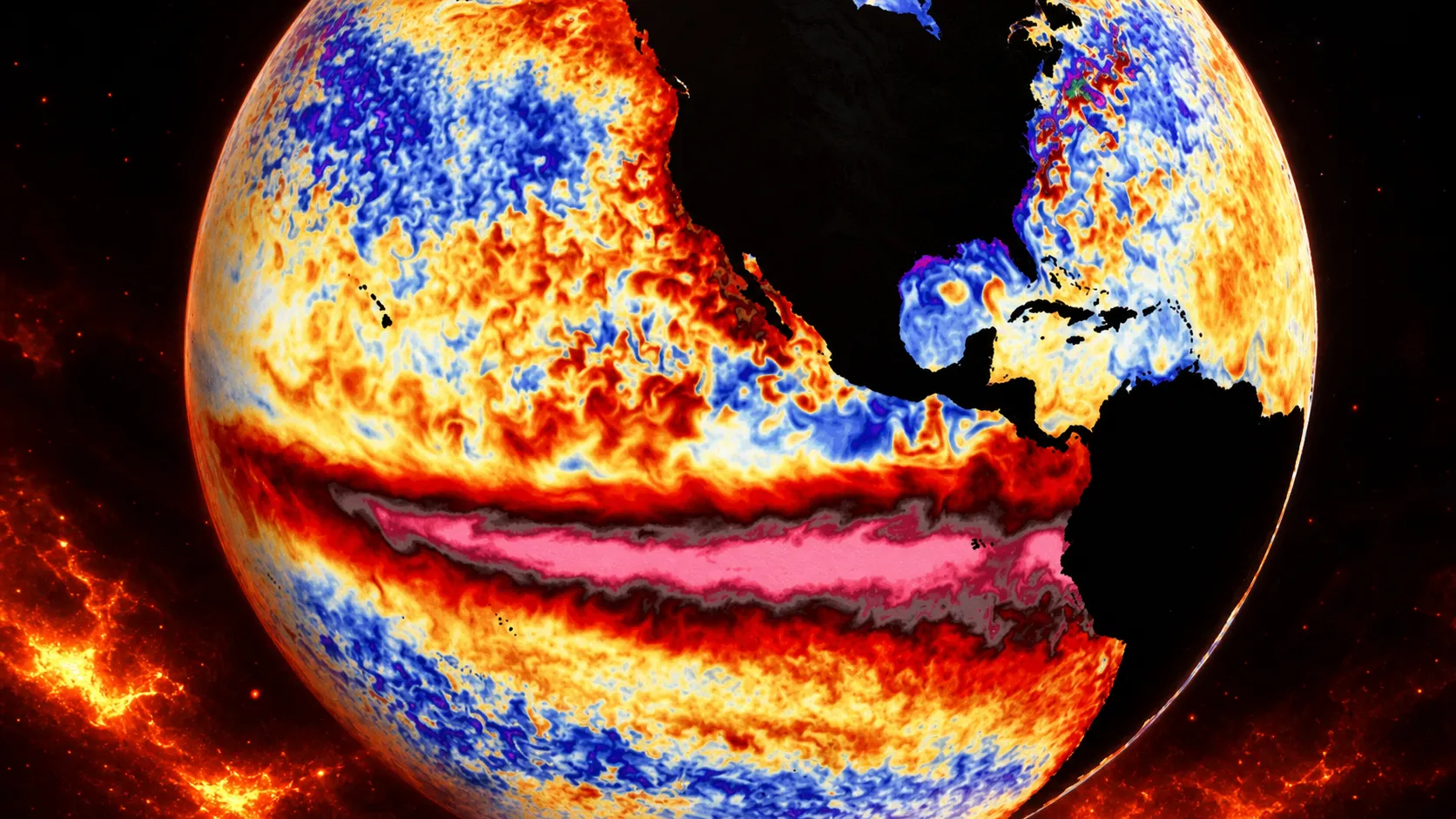
Experts have officially confirmed the arrival of El Niño after several weeks of growing concern that the climate pattern was about to emerge.
El Niño is one phase of the El Niño-Southern Oscillation, a natural climate cycle in the tropical Pacific, with La Niña representing the opposite phase.
Both are linked to ocean surface temperatures. During El Niño, waters in parts of the central and eastern equatorial Pacific become warmer than average, while La Niña is associated with cooler surface conditions.
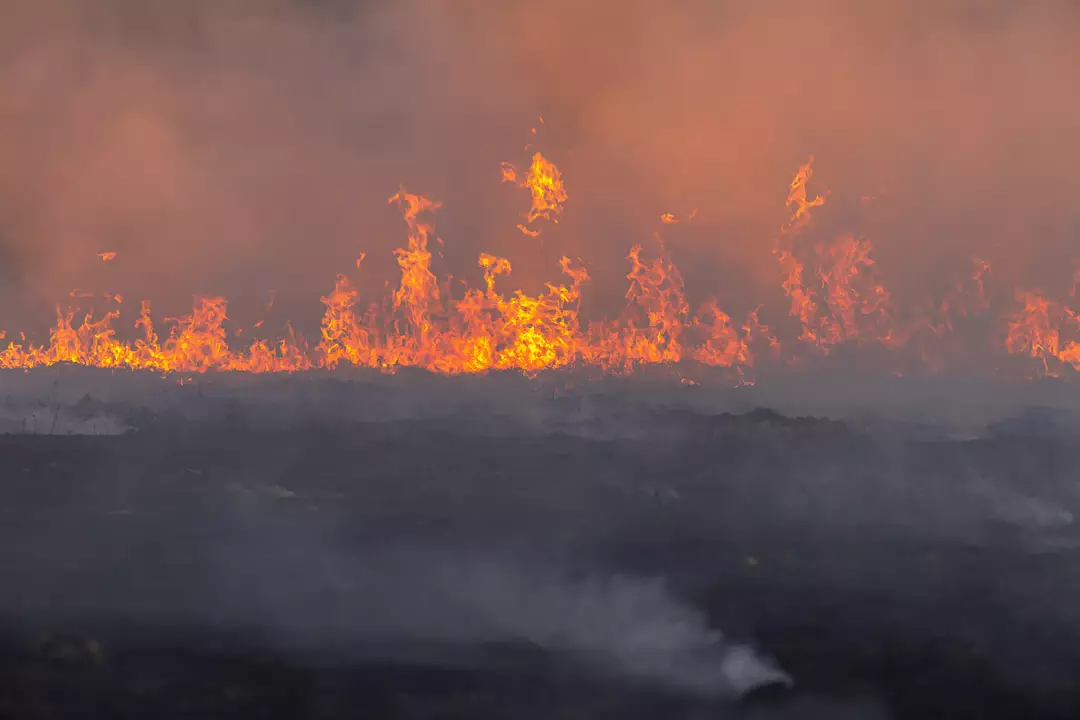
That shift can influence weather around the world and is often associated with a greater risk of extreme conditions, including drought, wildfire, flooding and changes in tropical cyclone activity.
Although El Niño itself is not caused by climate change, a warming planet can intensify some of its effects by adding extra background heat to the atmosphere and oceans.
The term Super El Niño is commonly used in media coverage to describe an especially powerful event, though agencies such as the Met Office do not treat it as a formal scientific category. Scientists have now said El Niño is underway, and there is a strong possibility it could develop into a very strong event later in the year.
The US National Oceanographic and Atmospheric Administration (NOAA) said the phenomenon has now begun.
In a statement, NOAA said: “El Niño conditions developed over the past month, as shown by above-average sea surface temperatures (SSTs) across the central to eastern equatorial Pacific Ocean.”
With that official confirmation in place, attention is now turning to whether this episode could strengthen significantly over late 2026 and into early 2027, which is typically when El Niño events have their greatest influence on global weather patterns.
At the moment, it has not yet reached the threshold for a very strong event. However, NOAA said there is a 63 percent chance it will become ‘very strong’, and warned that it could rank among the ‘largest El Niño events in the historical record going back to 1950’.
Earlier seasonal guidance had already pointed in that direction. In its March 12, 2026 ENSO Diagnostic Discussion, NOAA’s Climate Prediction Center said El Niño was likely to emerge during June to August 2026 and persist through at least the end of the year, though it stressed that the exact peak strength remained uncertain.
The World Meteorological Organization has also urged governments and communities to prepare, saying there is an 80 percent likelihood of El Niño during June to August 2026 and around a 90 percent chance it continues until at least November.
NOAA also stressed that a stronger event does not guarantee the same outcome in every location.
Nonetheless, NOAA has given a caveat on its prediction, saying: “Even very strong El Niño events do not lead to the expected impact everywhere, but stronger events can more significantly tilt the odds in favour of expected outcomes.”
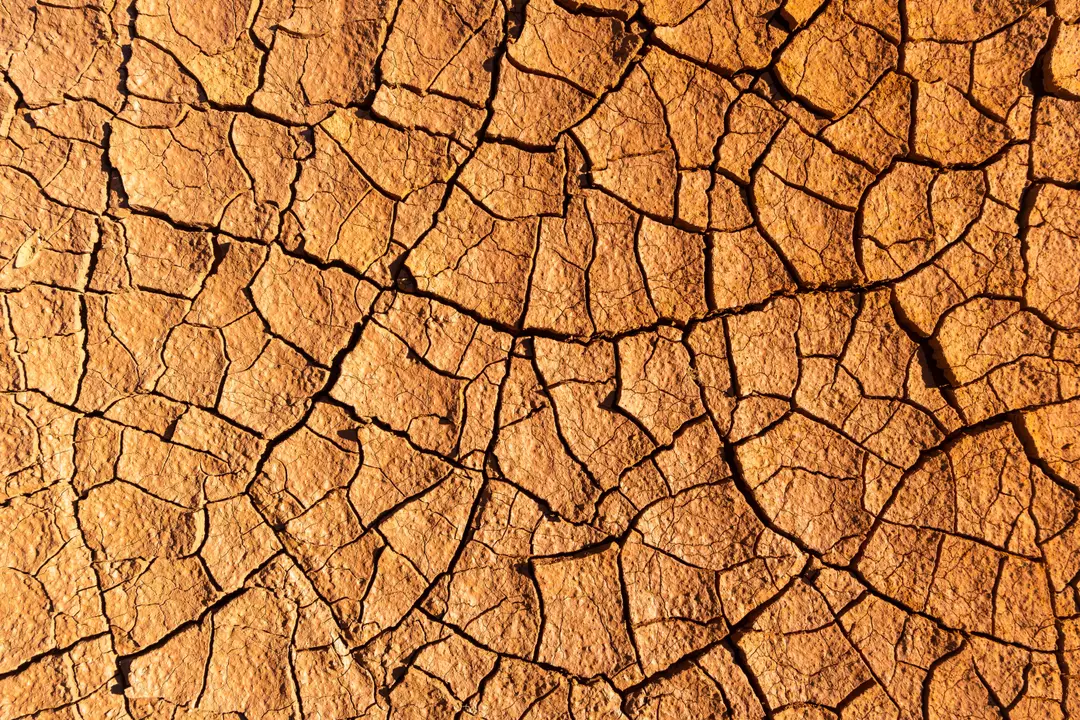
Typical El Niño patterns include wetter conditions in parts of western South America and the southern United States, drier and hotter weather in parts of Australia, Indonesia and southeast Asia, and a tendency for Atlantic hurricane activity to be suppressed while the central and eastern Pacific become more favourable for storms. Scientists stress, however, that these are shifts in probability rather than guarantees for any one country or season.
Professor Adam Scaife, who leads monthly to decadal prediction at the UK’s Met Office, has said people should be alert to the consequences, warning that we ‘need to worry about the impacts’.
One major concern is that any effects from El Niño will unfold alongside the broader influence of climate change. The WMO has warned that El Niño conditions could ‘pour fuel on the fire of a warming world’, increasing the risk of heatwaves, drought and heavy rainfall.
Professor Scaife said: “The current El Niño is… riding on top of a substantial amount of global warming.
“This means that the actual temperatures in affected regions could well be unprecedented, as the warming from El Niño is being topped up by climate change.”
That overlap is one reason scientists are watching 2027 especially closely. El Niño often raises global temperatures with a lag, meaning the strongest effect on the planet’s average temperature can arrive after the event has fully developed.