

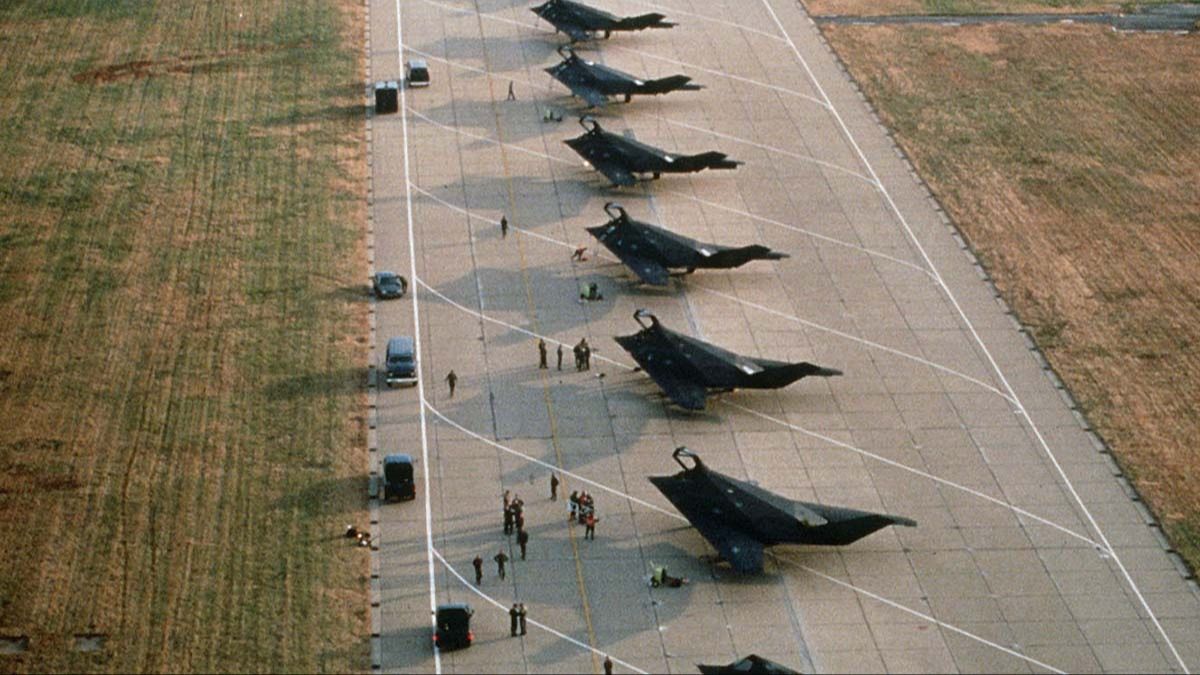
Unusual seismic activity has been detected close to one of the United States’ most closely guarded weapons testing locations, and researchers have shared more about what’s happening.
Data from the US Geological Survey (USGS) indicates there have been around 16 earthquakes registering above 2.5 in magnitude.
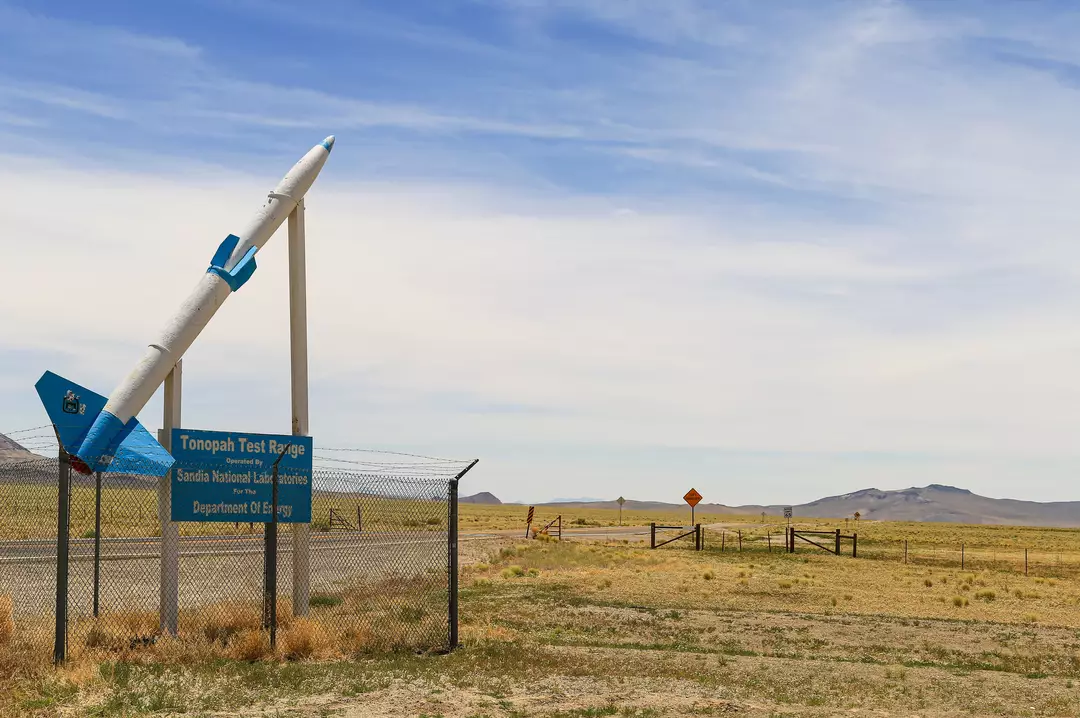
What’s prompting extra attention is the apparent source area: the quakes are being recorded near “Area 52”, also known as the Nevada Tonopah Test Range.
Although the site isn’t widely discussed publicly, it plays a major role for the US military, providing space to trial experimental aircraft and weapons systems just north of, and within, the nearby Nevada Test and Training Range (NTTR).
In total, more than 100 seismic events have been logged within 50 miles of Area 52, adding to concerns about the timing of the activity.
The tremors — ranging from smaller events around 1.0–1.9 up to a 4.9 — were reported shortly after the US and Israel launched missiles at Iran on February 28, with Iran later threatening retaliation against US bases across nine nearby countries.
Some residents in Las Vegas, roughly 180 miles away, reportedly said they felt shaking. However, with no official confirmation from the Trump Administration regarding any weapons-related activity connected to the area, the exact cause of the tremors hasn’t been established.
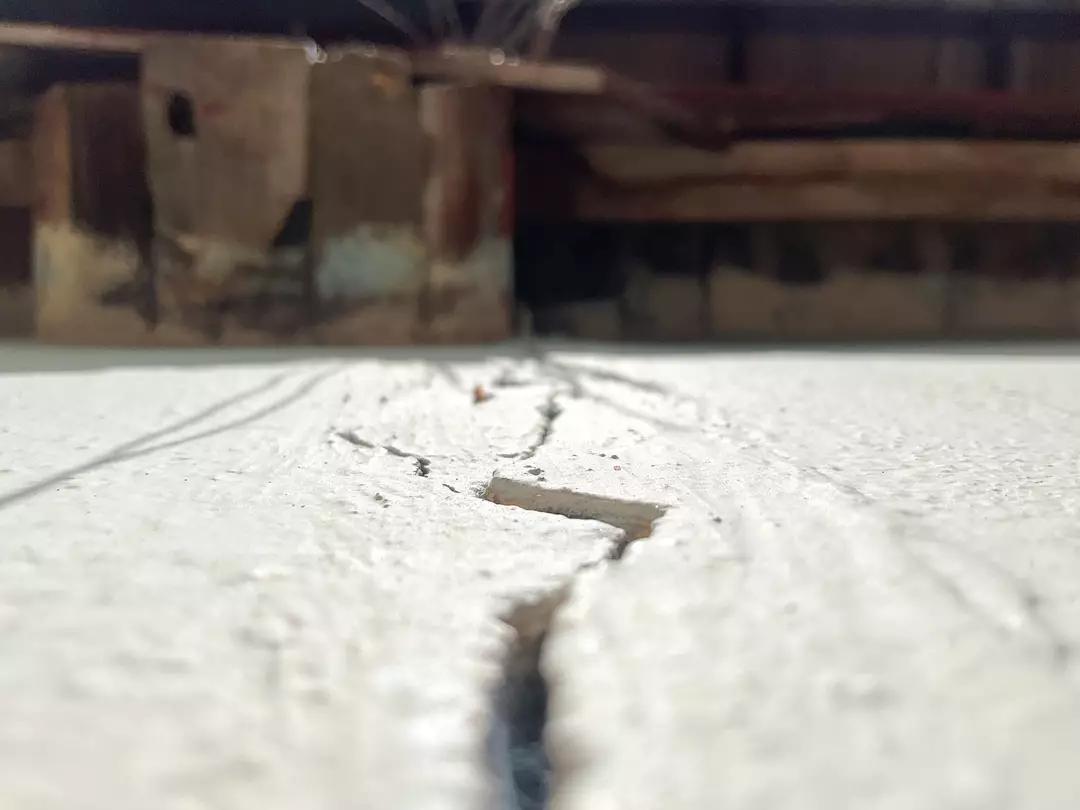
What is clearer is the geological context. The events took place within the Central Nevada Seismic Zone, a region believed to stretch about 200 to 300 miles. This zone is associated with the Earth’s crust pulling apart, which can create fractures and movement as tectonic forces shift the landscape.
Similar cracking and seismic signatures can also be linked to underground nuclear detonations, where a nuclear device is exploded below the surface.
According to the Nuclear Museum, the last US nuclear test was Divider, carried out on September 23, 1992, at an underground Nevada facility known as the Nevada National Security Site.
The website states this ‘was the last of the 1,032 nuclear tests carried out by the United States since The Trinity Test 47 years earlier.’
Today, the location is no longer used for nuclear weapons testing, though it continues to support ongoing work tied to ‘national security needs’.
The Museum claimed that ‘deemed necessary, the site could be authorized again for nuclear weapons testing’ and that the site is the ‘preferred location for National Nuclear Security Administration defense programs, industry research, and development efforts.’
It’s also described as a place where the US government runs ‘open air experiments’ centered on ‘emergency response techniques and test remediation.’
For now, that’s the publicly available picture: a notable cluster of earthquakes near a sensitive testing region, with established geological explanations — and lingering questions about whether anything else contributed.