

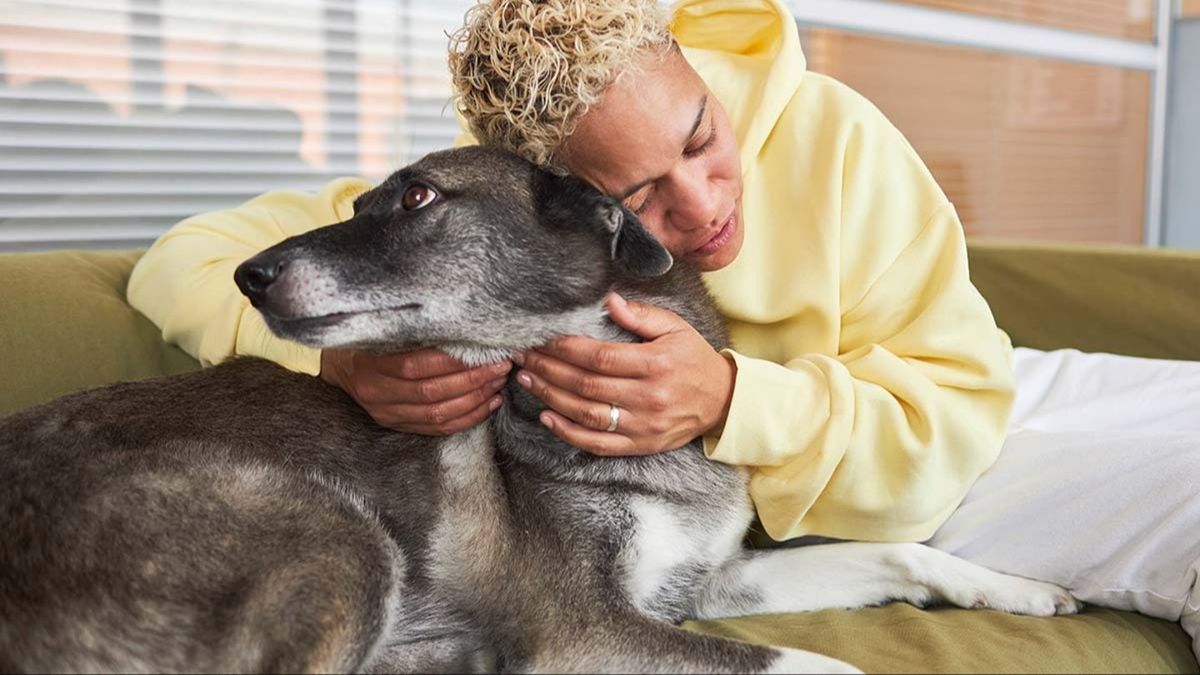
I know we didn’t need another reason to love dogs, but scientists have found one that will make us appreciate our four-legged friends even more.
Dogs bring a lot to our lives: companionship, comfort, and the kind of joy that’s hard to resist when they’re nearby.
They can benefit our health, too. Research has long linked dog ownership with things like reduced stress and anxiety, lower blood pressure, and better heart health—helped along by the daily walks and routines that come with caring for a pet.
Now, a new potential advantage has been highlighted in a study published in the National Library of Medicine on February 17, 2026, as researchers looked more closely at how dogs could be connected to outcomes for people with cancer.
“For cardiovascular diseases, diabetes, and asthma, the positive effects of dog ownership are shown,” the research states. “Cancer is a leading cause of death, but the influence of dogs on cancer incidence and survival is not well examined.”

To explore the question, scientists reviewed clinical information pulled from a federated global health research network, focusing specifically on people diagnosed with cancer. Participants were organized into two groups: those who had contact with dogs and those who did not.
“After propensity score matching for age and sex, a total of about 55,000 patients were included,” said the study.
It added: “Analysis of the matched cohort demonstrated that dog ownership was significantly associated with reduced 5-year all-cause mortality in cancer patients compared to non-owners.”
In summary, the researchers reported that cancer patients who had contact with a dog were linked to a 64 percent relative risk reduction in cancer mortality.
As for what might explain the connection, the study points toward likely factors such as ‘increased physical activity, psychosocial support, and microbiome modulation’ associated with living with a dog.
Beyond that, there are also stories suggesting dogs may notice signs of illness—something highlighted by Chase Johnson and Ben Byrn’s dog, Cato.
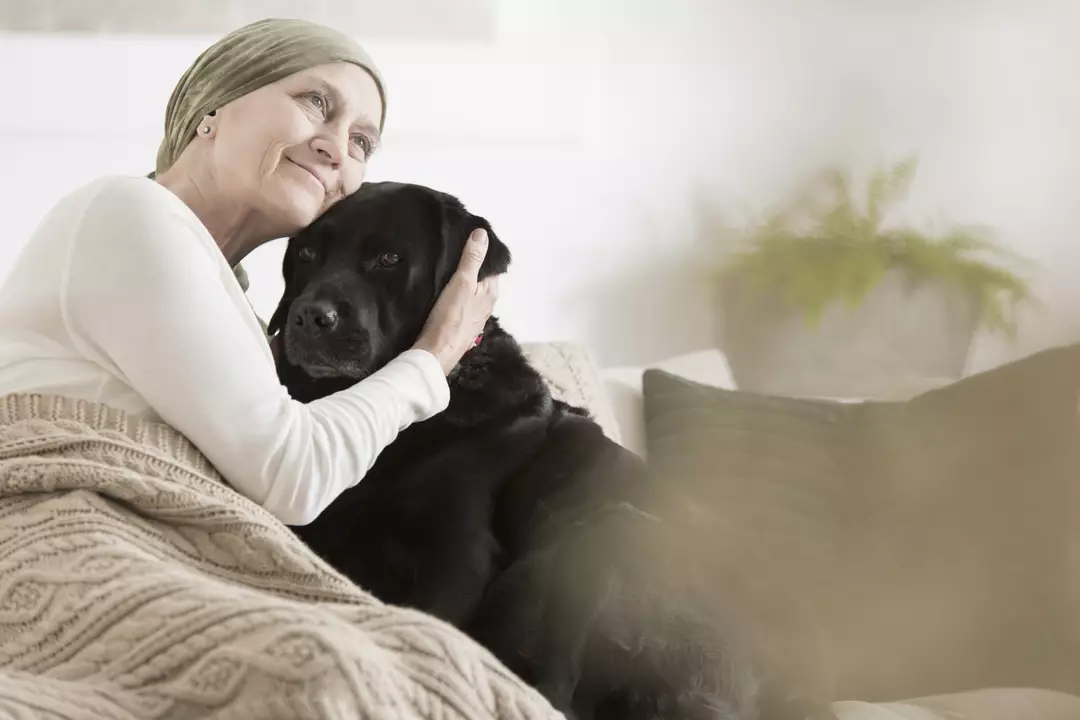
According to the account, Cato began behaving nervously around Ben and staying close to him, and Ben was later diagnosed with colon cancer.
After that, Cato reportedly showed similar anxious behavior around Chase. Roughly two weeks later, she noticed a lump in her breast after the dog repeatedly pressed his nose against her chest.
“We were trying to figure out what was going on, until he got so worked up one day and poked his nose to my breast,” Chase recalled.
“He did it a second time, which hurt; that is when I started searching and found the lump,” Chase said. “If he had not done that, I would not have found it.”
Chase was later diagnosed with triple-negative breast cancer and underwent chemotherapy.
By February 2026, she said there was no sign the cancer remained.
She believes Cato played a crucial role in helping her catch the illness when she did.
If you’ve been affected by any of these issues and want to speak to someone in confidence, contact the American Cancer Society on 1-800-227-2345 or via their live chat feature, available 24/7 every day of the year.