


Researchers have discovered a new ‘personality type’ known as the ‘otravert’.
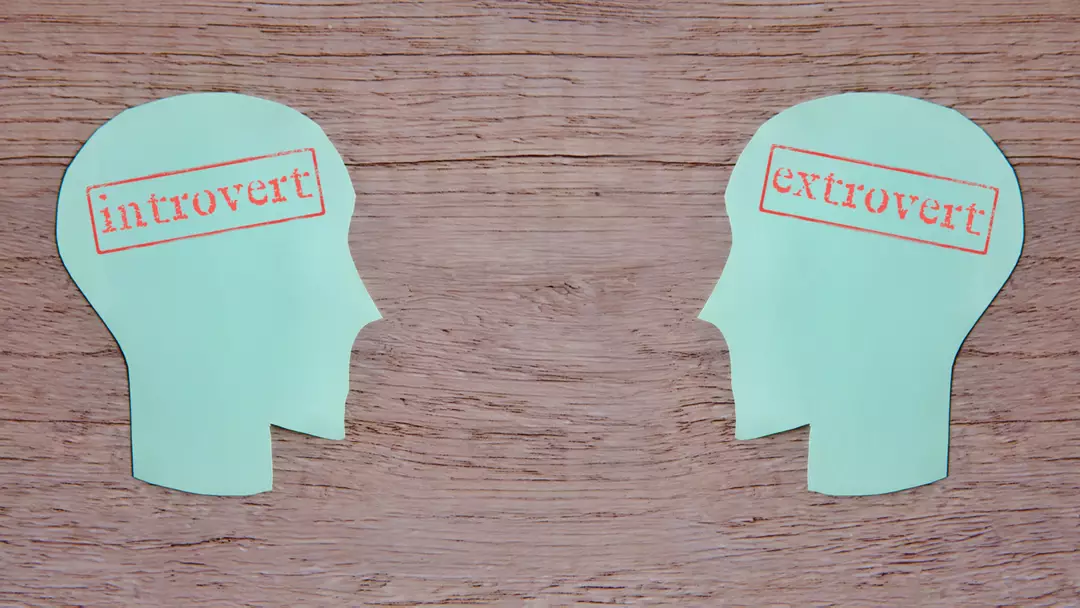
Most people are familiar with the concepts of ‘introverts’ and ‘extroverts’, which represent two different personality spectrums.
These personalities are frequently featured in various forms of media, where the outgoing extrovert is contrasted with the reserved, introspective introvert.
While the extrovert may seek social gatherings and constant interaction, the introvert often prefers solitary activities like reading or gaming at home.
However, humans are more complex than the binary labels of introvert or extrovert might suggest.
The newly identified personality type, termed as ‘otravert’, offers a fresh perspective on personality dynamics.
This term was introduced by psychiatrist Rami Kaminski, describing individuals who enjoy socializing but need solitude to recharge.
Unlike a true introvert, who typically prefers solitude, or a complete extrovert, who thrives on constant social interaction, an otravert strikes a balance between the two.
The term ‘otra’, meaning ‘other’ in Spanish, implies that an ‘otravert’ doesn’t fully align with typical social groups.
There’s also the category of ‘ambiverts’, individuals who are equally at ease in social settings and when alone.
At a glance, this seems akin to the otravert category.
The distinction lies in an ‘otravert’ feeling like an outsider or prioritizing deep relationships rather than fitting into a group. In contrast, an ambivert seamlessly transitions between social and solitary interactions.
Some suggest that the terms ‘otravert’ and ‘ambivert’ might overlap to some extent, with ‘otravert’ being a subtype of ‘ambivert’.

The Otherness Institute website provides insights on otraverts, identifying traits that may indicate someone is an ‘otravert’.
Such individuals might view themselves as outsiders or struggle with collective group dynamics.
They may also be creatures of habit, resistant to change, and prefer making decisions independently of external advice.
A key characteristic of an otravert is their sensitivity to others’ feelings and a generally gentle demeanor.
Does this description resonate with you?