

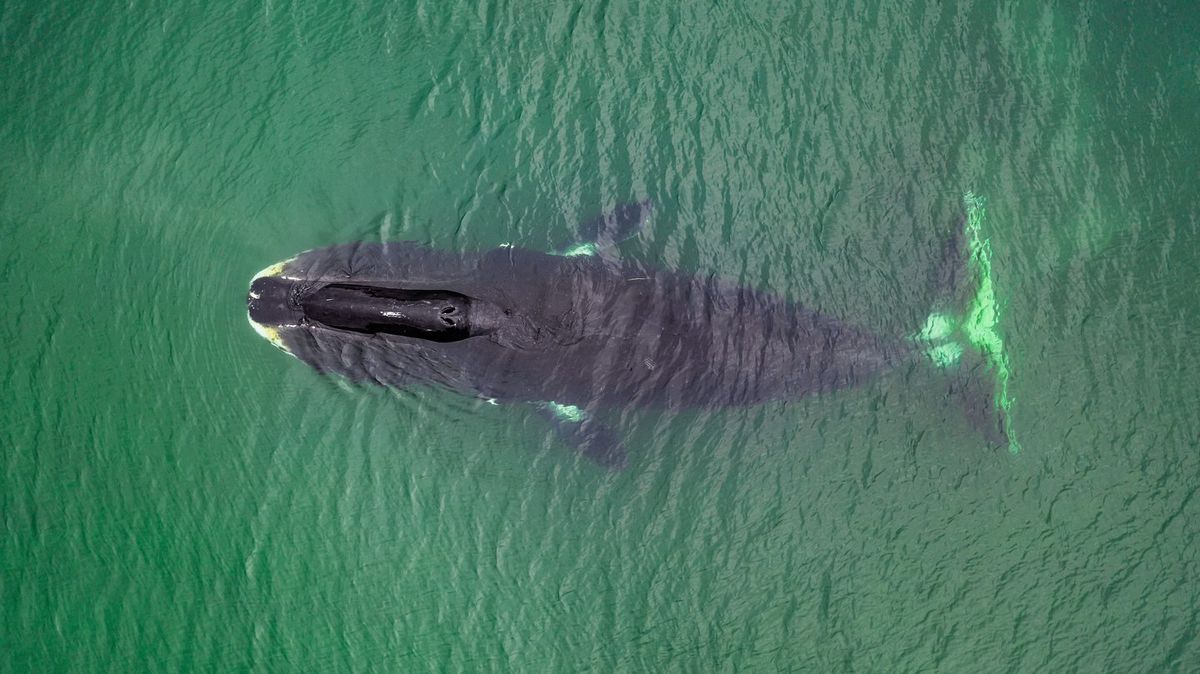
Scientists believe they may have identified a way for humans to learn from whales’ remarkable 200-year lifespans.
Researchers at the University of Rochester say the biological tools behind whales’ long lives could eventually point toward new treatments for diseases that commonly shorten human life.
Whales, the biggest mammals on the planet, are famously difficult targets for predators simply because of their size.
Aside from occasional threats from sharks or orcas, many whales spend their lives cruising through open water and feeding on small organisms.
They also appear to avoid many of the illnesses that affect other species, allowing some to live for centuries—provided they aren’t killed by external factors.
By comparison, the CDC reports that the average life expectancy in the US is 78.
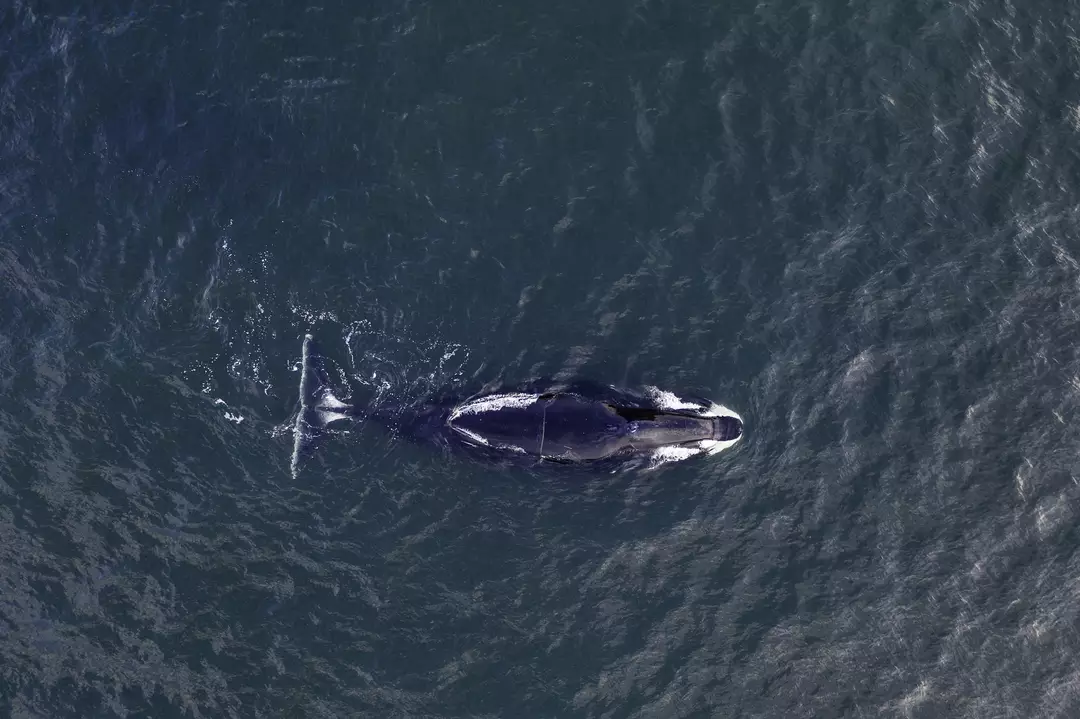
A new study from the University of Rochester, published in Nature, suggests a protein called CIRBP may be part of the reason whales live so long—and could potentially inform ways to extend healthy human lifespan.
In whales, CIRBP helps mend double-strand breaks in DNA, a type of damage linked to disease and aging across many species.
Other animals produce the protein too, but whales have vastly higher levels—roughly 100 times more—which may help explain their extraordinary longevity.
The work, led by professors Vera Gorbunova and Andrei Seluanov with first authors Denis Firsanov and Max Zacher, found that bowhead whales carry the highest amounts of CIRBP. The researchers suggest that if similar effects could be achieved in humans, it might meaningfully improve long-term health and lifespan.
“This research shows it is possible to live longer than the typical human lifespan,” says Gorbunova. “By studying the only warm-blooded mammal that outlives humans, our work provides information about the mechanisms that allow such extended lifespans, underscoring the importance of genome maintenance for longevity.”
The team also considered why very large animals such as elephants and whales tend to have comparatively lower cancer rates, proposing they likely evolved enhanced systems for repairing genetic damage before cancers can take hold.
Ultimately, they concluded these animals’ cells are inherently more resistant to cancer than human cells. In tests using cells taken from bowhead whale tissue, elevated CIRBP stood out as a major factor associated with longevity.

Seluanov noted that cooler temperatures appeared to increase CIRBP production, but added: “What we don’t yet know is what level of cold exposure would be needed to trigger that response in humans.”
Gorbunova said the researchers are now investigating practical approaches that might raise CIRBP activity in people, explaining: “Both boosting the body’s existing CIRBP activity or introducing more of the protein may work. Lifestyle changes—things like taking cold showers—might contribute too and might be worth exploring.”
“There are different ways to improve genome maintenance and here we learn there is one unique way that evolved in bowhead whales where they dramatically increase the levels of this protein,” Gorbunova added. “Now we have to see if we can develop strategies to upregulate the same pathway in humans.”