

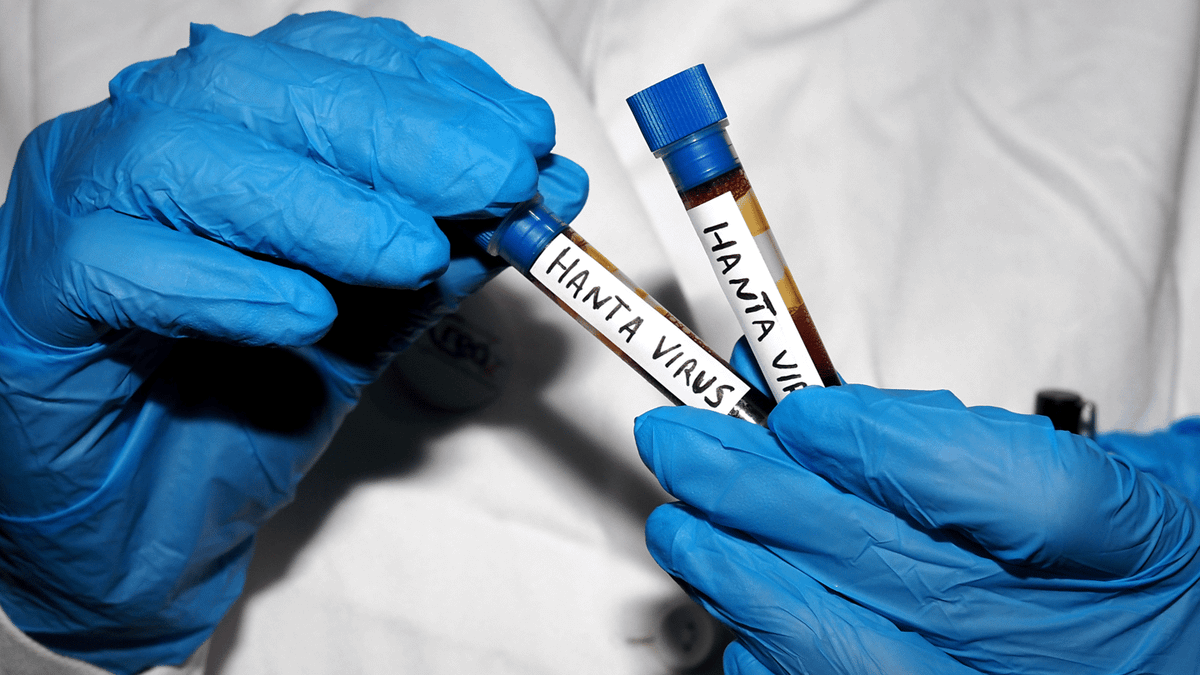
It turns out that hantavirus can affect more than just your lungs; it can impact your sperm health as well.
Hantavirus has been in the news recently after an outbreak was reported on the Dutch cruise ship MV Hondius, which was carrying roughly 150 passengers from around the world.
Tragically, three people have died and several others were reportedly left unwell.
However, the virus itself is far from new, and concerns about its effects extend well beyond the current incident at sea.
One form in particular—the Andes strain—comes from wild rodents and is notable because it has been linked to person-to-person spread.
Human infections are uncommon, but they do happen. Gene Hackman’s wife, Betsy Arakawa, is one example; she died from the virus last year aged 65.

Separate to the cruise ship outbreak, a study published in 2023 highlighted a lesser-known concern: the potential for hantavirus to linger in semen long after other tests come back clear.
The research focused on a 55-year-old man who had caught hantavirus in South America. When scientists examined samples six years after his illness, they found evidence of hantavirus in his semen.
Notably, the virus was not detected in his blood, urine, or respiratory tract at that point—only in semen.
Because traces were still present years later, the researchers cautioned that sexual transmission could be a possibility, at least in theory.

The findings came from Swiss researchers at the Spiez Laboratory.
It’s also important to add context: sexual transmission of hantavirus via virus remaining in sperm has not been documented to date.
Even so, given the uncertainty—particularly with the Andes strain—people who test positive may be advised to reduce any hypothetical risk by using barrier protection such as condoms.
The Andes strain is extremely rare. Microbiologist Dr Gustavo Palacios said that only around 3,000 cases have ever been recorded.
It is also the only hantavirus known to spread between people. Research has suggested that the contagious window may be brief—around the time a patient develops a fever—and that transmission could occur even with short periods of close contact.
Andes virus (ANDV) is mainly found in South America and is associated with a high fatality rate, estimated at 20 to 40 percent. It can trigger hantavirus pulmonary syndrome (HPS), a severe condition that affects the lungs.
Symptoms usually appear one to eight weeks after infection and the first signs can include:
- Fever
- Fatigue
- Muscle aches
- Headache
- Nausea or stomach upset
Later symptoms include:
- Cough
- Shortness of breath
- Tightness in the chest