

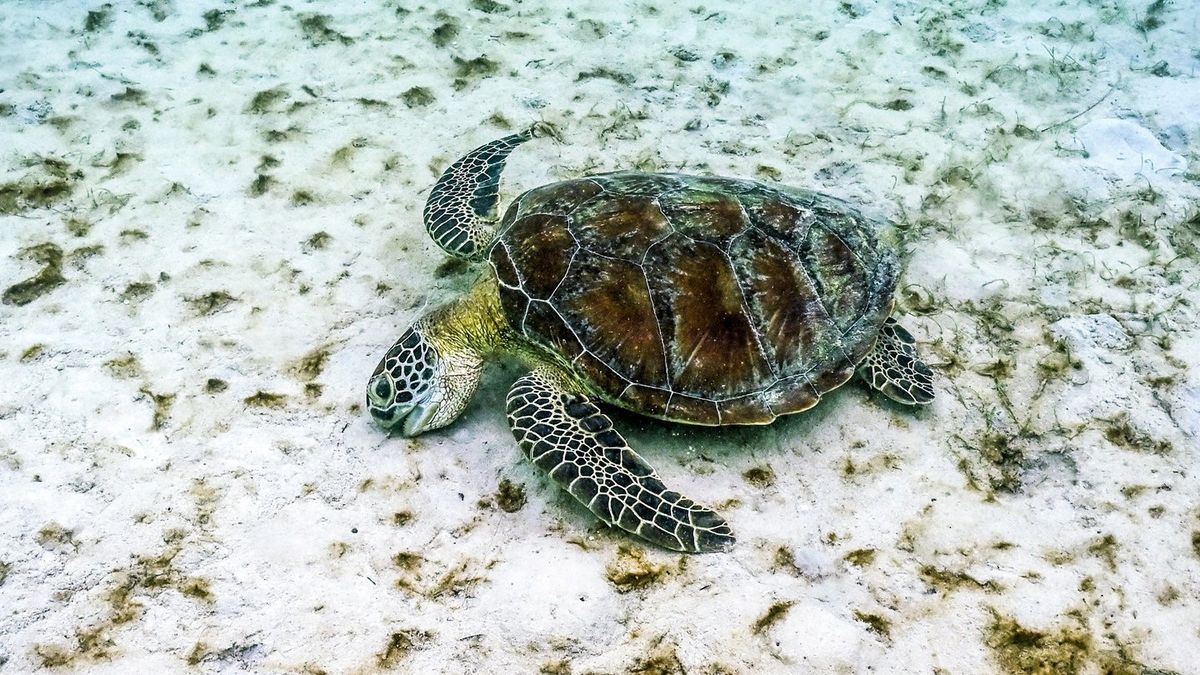
Scientists have discovered over 100 dead turtles in Canada, and its implications for our future aren’t great.
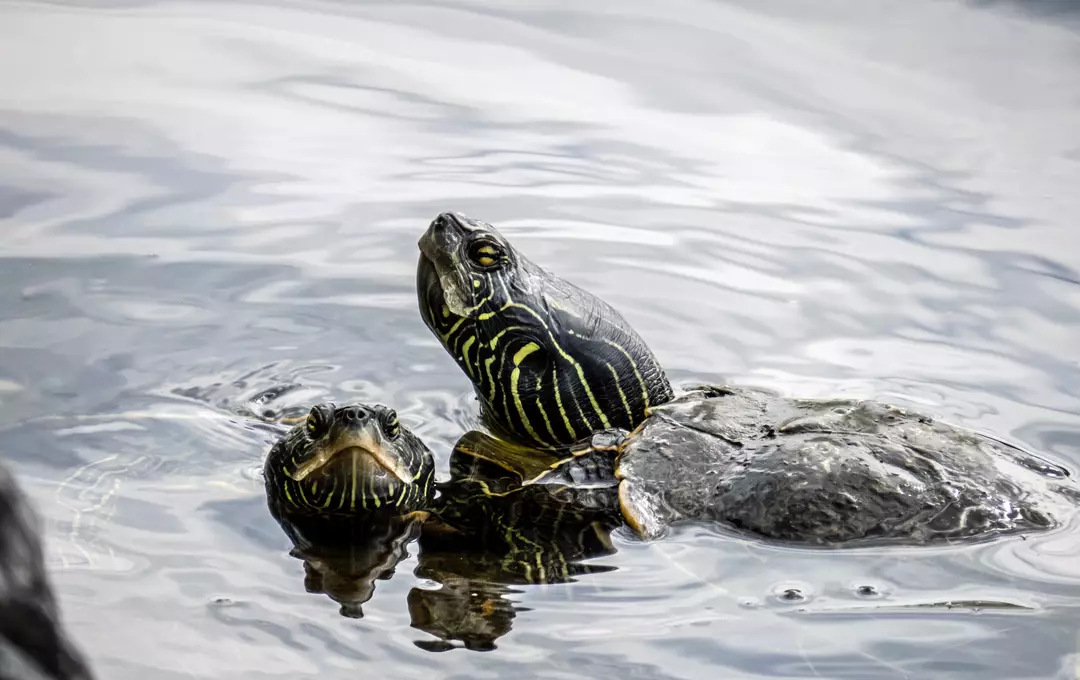
A disturbing scene unfolded at Opinicon Lake in Ontario in 2022 when Carleton University biologist Gregory Bulté came across large numbers of dead northern map turtles.
Some had shattered shells, while others were badly mutilated. As part of his work in the area, Bulté entered the lake to gather the carcasses, collecting them in buckets as the scale of the loss became clear.
Speaking to CNN, the scientists shared that he wasn’t sure when it was ‘going to end’.
By the time he finished retrieving bodies, the total was close to 150. Because he monitors the local population, he was able to estimate that the deaths represented roughly 10 percent of the lake’s northern map turtles.
At first, the cause wasn’t obvious. Was it pollution, a chemical leak, human interference, or something else in the environment?
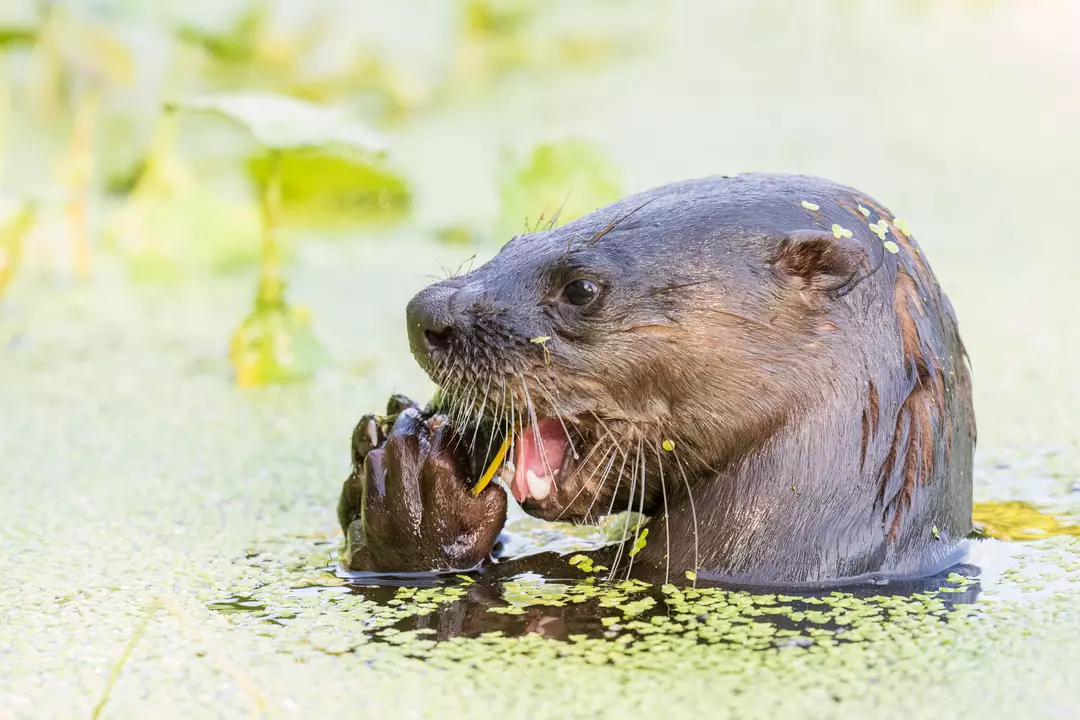
After investigating, Bulté determined the killings were carried out by river otters, a natural predator of turtles.
Even so, the situation raised new questions. Opinicon Lake hadn’t experienced a mass kill like this before, so why would otters suddenly take so many?
Bulté began narrowing down the possible factors and, through that process, arrived at an unexpected driver: changing weather patterns linked to climate.
He explained that northern map turtles overwinter in a way that can leave them exposed. Rather than burying themselves in bottom sediment, they remain out on the lakebed, which makes them more accessible if a predator can reach them.
“Maybe it got a little bit warmer, it melted along the shoreline and (otters) were able to sneak in,” he said.
The concern is that climate change may be increasing the chances of these encounters. Typically, a thick layer of ice limits access from above during the cold season.
But in this case, openings in the ice were observed—holes that could be associated with unseasonable warming and less stable winter conditions.
Bulté revealed he has noticed extremely early springs in recent years, telling the outlet: “We’re going to have less reliable ice. So, we are certainly wondering if this is going to affect opportunity for predations in the future.”
If warmer conditions continue to arrive earlier, the turtles’ tendency to cluster on the lakebed could make them especially vulnerable—particularly if otters can enter through newly formed gaps in the ice.
He suggested the species may be able to cope with some level of predation, but the wider picture is far more troubling when multiple pressures stack up. In that context, he described it as “death by a thousand cuts.”
The long-term stakes are significant. The impact of major attacks decades ago can still be felt, and losses on this scale could echo for years in a population that takes time to recover.
The Ontario Turtle Conservation Centre revealed that because of the status of the turtles, they are heavily protected, with its website stating: “The Map turtle has a status of special concern both provincially and federally. They are protected from collection and ownership in Ontario under the Fish & Wildlife Conservation Act.”