

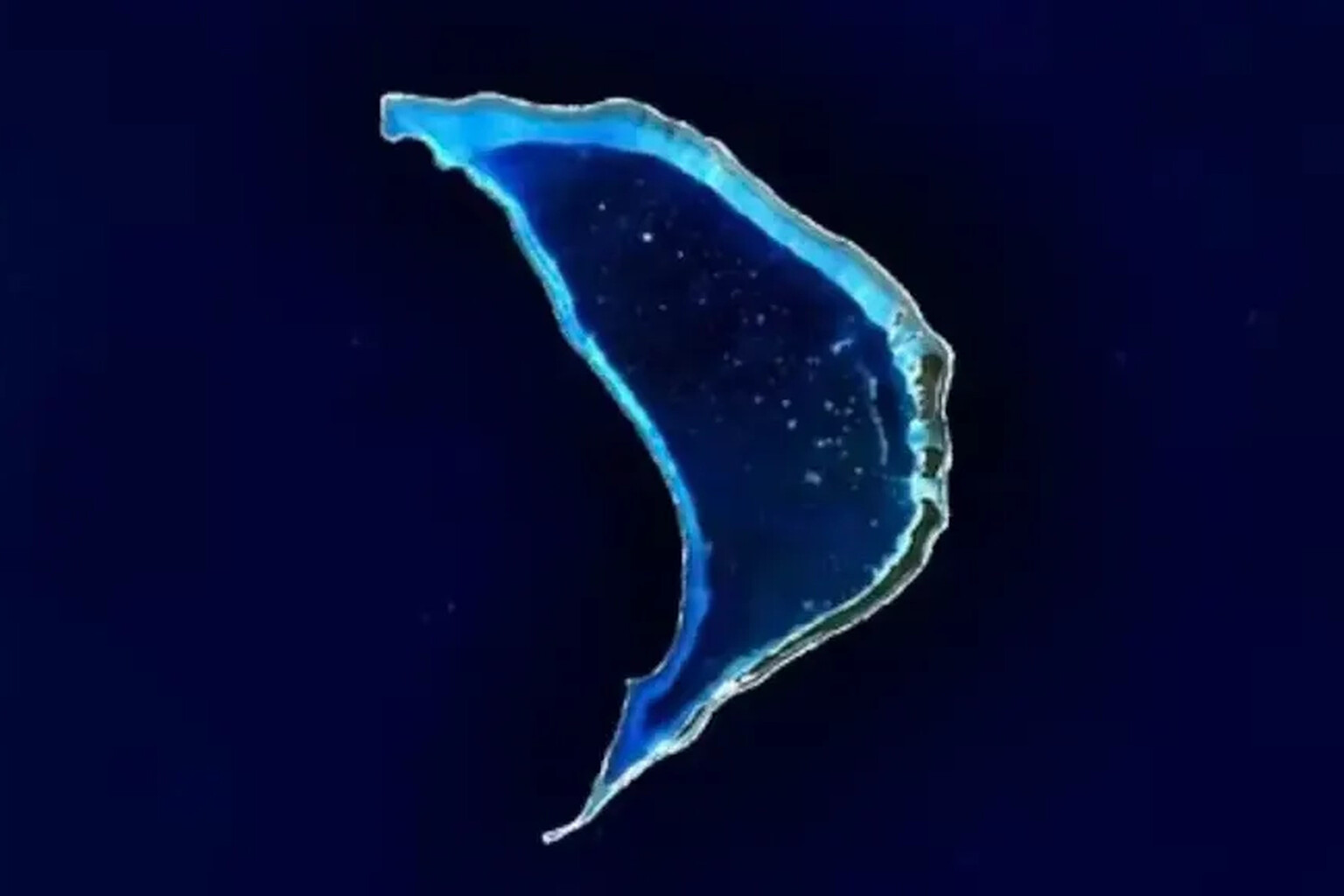
Scientists have declared two remote Pacific atolls among the most pristine ocean ecosystems ever documented.
Dr. Alan Friedlander, a marine ecologist at the University of Hawai’i, led a 2023 expedition to Bikar and Bokak in the Marshall Islands, and the findings published in Frontiers in Marine Science have since fueled creation of the country’s first national marine sanctuary. The atolls sit roughly 116 and 385 kilometres from the nearest inhabited land, leaving them largely untouched by human activity for generations.
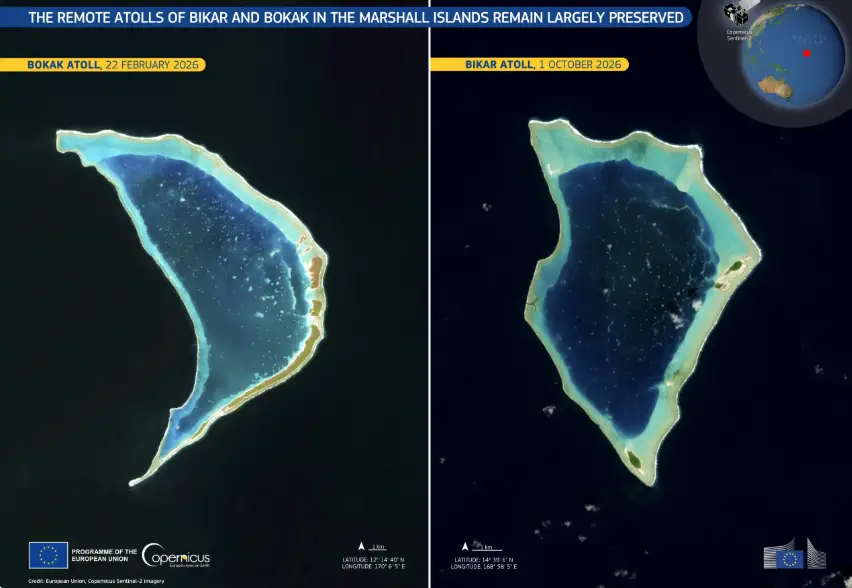
The research team employed scuba diving, underwater video, deep-sea camera deployments and a submarine to survey the land, sea and sky across both locations. Their methods revealed vast seabird and shorebird populations, mature native vegetation, active turtle nesting at Bikar, coral reefs and fish communities at Bokak, plus deep-sea habitats that remain poorly understood.
Friedlander described the significance of the discovery in a statement tied to the study’s release.
“Bikar and Bokak are not just treasures for the Marshall Islands but for the entire planet, a gift from the community of Utirik Atoll, which has traditionally and vigilantly safeguarded these fragile ecosystems for decades.”
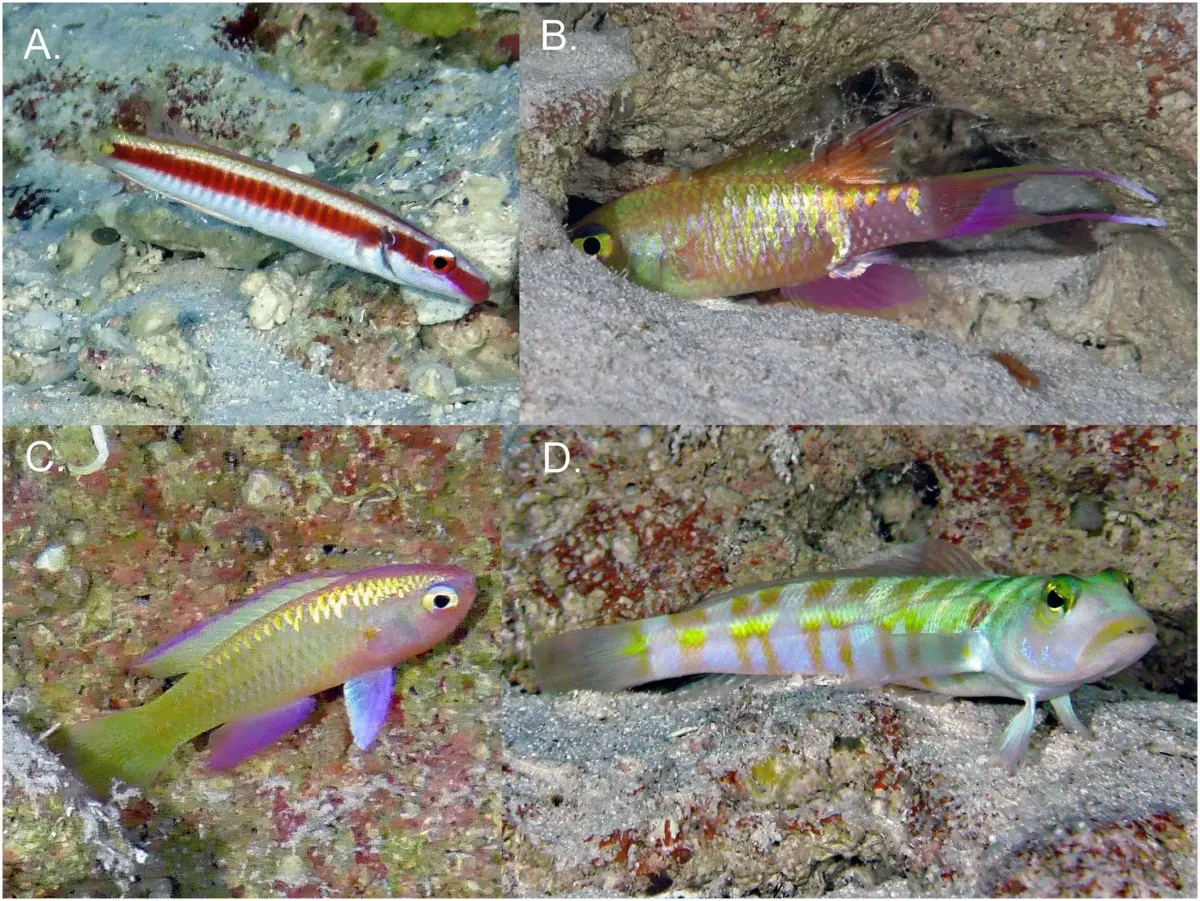
The team documented 15 seabird colonies that may be actively breeding, 266 groups of reef fish, 138 groups of fish in the deep depths, 15 groups of open-water predators including sharks, and 79 groups of deep-sea fishes. They also suspect they may have identified two entirely new species during the course of their work.
Friedlander framed the research within a broader conservation push led by local communities.
“We set out to inform the creation of a highly protected area within the scope of the Marshall Islands’ Reimaanlok vision, which means ‘looking towards the future,'” he said. “It is a national, community-led conservation framework designed to protect marine and terrestrial resources while ensuring island life thrives for generations to come.”
The initial assessment proved consequential. Around 48,000 square kilometres surrounding the atolls were designated as the Marshall Islands’ first national marine sanctuary two years after the team’s fieldwork concluded, with the extensive seabird colonies cited as a key factor in the decision.
Friedlander elaborated on the ecological richness that justified such sweeping protection.
“These atolls have extensive seabird colonies, mature native vegetation, active turtle nesting, high reef-fish biomass and large predators, coral-dominated reefs at Bokak, structurally complex mesophotic habitats, and surprisingly diverse and poorly known deep-sea communities,” he noted.
The remoteness that preserved these systems also introduces an element of unpredictability in their composition. “There is also a bit of a lottery involved as to which species show up and persist at remote locations,” Friedlander explained.
He stressed their value as benchmarks for a world where marine degradation has become the norm rather than the exception.
“They are among the best ecological reference systems we have to better understand what we have lost elsewhere and to provide fundamental insights needed for effective conservation and restoration efforts,” he added.
Friedlander directed praise toward national leadership for moving swiftly to secure the area’s protected status.
“The Marshall Island government should be applauded for their foresight in protecting these global biodiversity hotspots, where human activity is distant and habitats teem with life,” he said. “As human activities increasingly threaten biodiversity, areas devoid of intense human impacts serve as vital refugia. Large marine protected areas serve as globally important ecological reference systems for understanding the structure and future trajectories of tropical oceanic ecosystems in the Anthropocene.”
The researchers have indicated that the full scope of what these waters contain may not yet be apparent, suggesting further exploration could yield additional discoveries from the deep-sea communities that remain little known.