

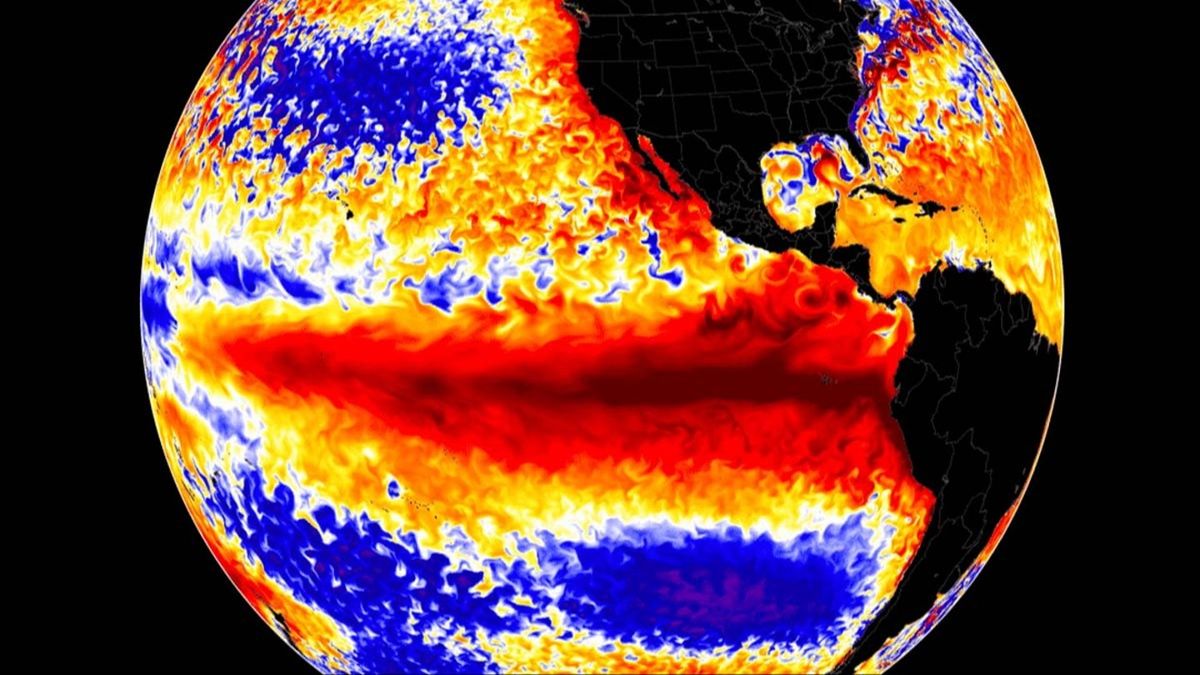
Scientists are sharing a fresh, and increasingly unsettling, outlook on the El Niño expected to develop this year.
For much of the past few months, researchers have debated how intense the pattern might become, with some warning it could rank among the most powerful events seen in modern records.
Those warnings have now grown louder.
Earlier this week, the United Nations said a new phase of the naturally occurring El Niño cycle could kick in within weeks, cautioning it may help drive global temperatures toward hazardous levels as the effects of climate change continue to build. That was only the start of the concern.
In a new update, the National Oceanic and Atmospheric Administration (NOAA) added to the sense of urgency. Its Climate Prediction Center (CPC) indicates that once El Niño takes hold, conditions may persist through the winter season.
NOAA currently puts the likelihood of El Niño developing between now and July at 82 percent.
The latest outlook repeats that same figure—an 82 percent chance of a transition to El Niño before July—making the shift feel increasingly likely.
The bigger question, however, is how strong it could ultimately get.
Online and in some commentary, the potential event has been branded with dramatic labels such as ‘Godzilla El Niño’ and ‘Super El Niño’, terms used to suggest the possibility of unusually extreme impacts.
What that looks like can vary widely by region: larger Pacific swells, more powerful storms and heavier mountain snow along parts of the US West Coast, or hotter, drier conditions in areas such as Australia.
Even so, specialists say it’s important not to assume the worst everywhere.
Forecasters at the Climate Prediction Center emphasized that a higher-strength El Niño can tilt the odds toward certain outcomes, but it doesn’t make them automatic.
In their own words: “Stronger El Niño events do not ensure strong impacts; they can only make certain impacts more likely.”
Put simply, a potentially major El Niño doesn’t guarantee every location will see the most severe effects.
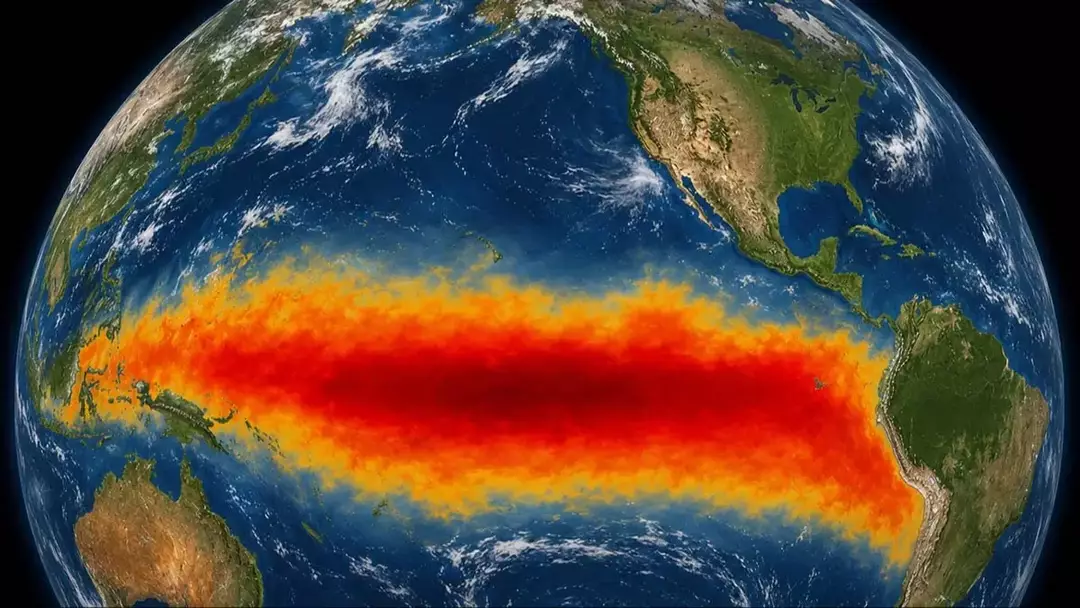
There’s also a lot scientists still don’t know about this particular event—especially its eventual peak intensity.
While confidence has risen that El Niño will arrive, pinning down whether it tops out as weak, moderate, strong, or very strong remains far more uncertain.
In fact, current projections show that no single strength bracket has odds above 37 percent, underscoring how much variability is still in play.
Researchers note that the most extreme El Niño episodes share a common feature: a powerful feedback loop between the ocean and the atmosphere that ramps up through the summer months.
Whether those ocean-atmosphere interactions intensify in 2026 is one of the key signals scientists will be watching closely.