

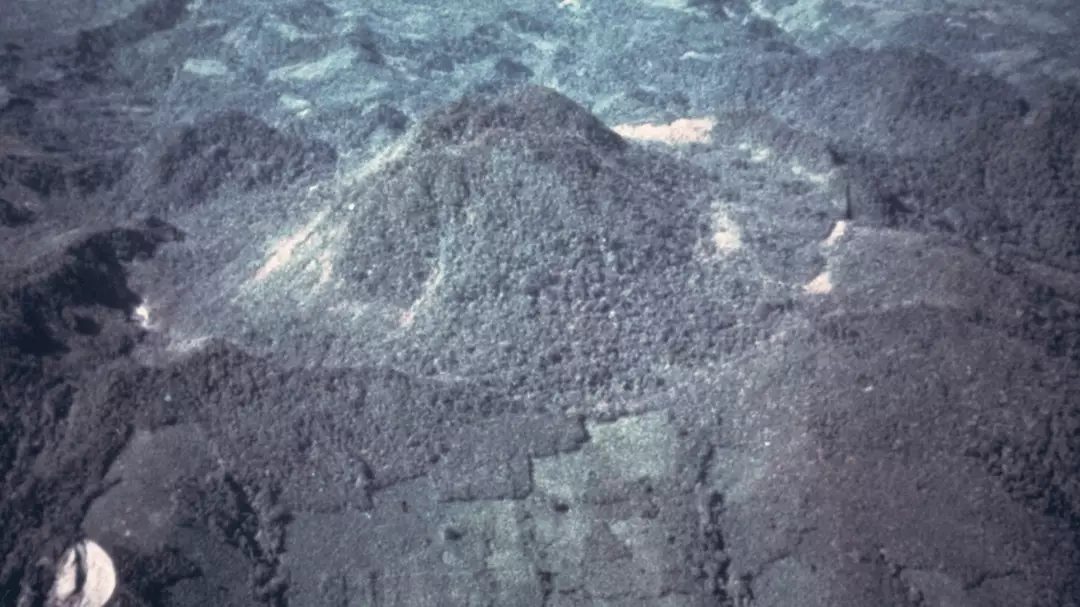
Researchers are on high alert as they observe a volcano with the potential to cause catastrophic damage, which has recently shown signs of renewed activity.
The focus is on El Chichón in Mexico, a volcano that last erupted in 1982, resulting in one of the most devastating volcanic events in the nation’s history.
In that eruption, at least 1,900 lives were lost, and nine villages were completely obliterated.
Volcanologist and blogger Erik Klemetti has previously emphasized the significance of El Chichón’s eruption, calling it ‘one of the most important volcanic events of the 20th century’. The eruption caused widespread destruction due to fire and ash deposits.
Klemetti elaborated: “The eruption of El Chichón is overlooked in comparison to other historic eruptions like Mount St Helens in 1980 or the Pinatubo eruption in 1991, yet it teaches us a number of important lessons about how we can be better prepared for volcanic disasters and the potential influence of volcanoes on the Earth’s climate.”
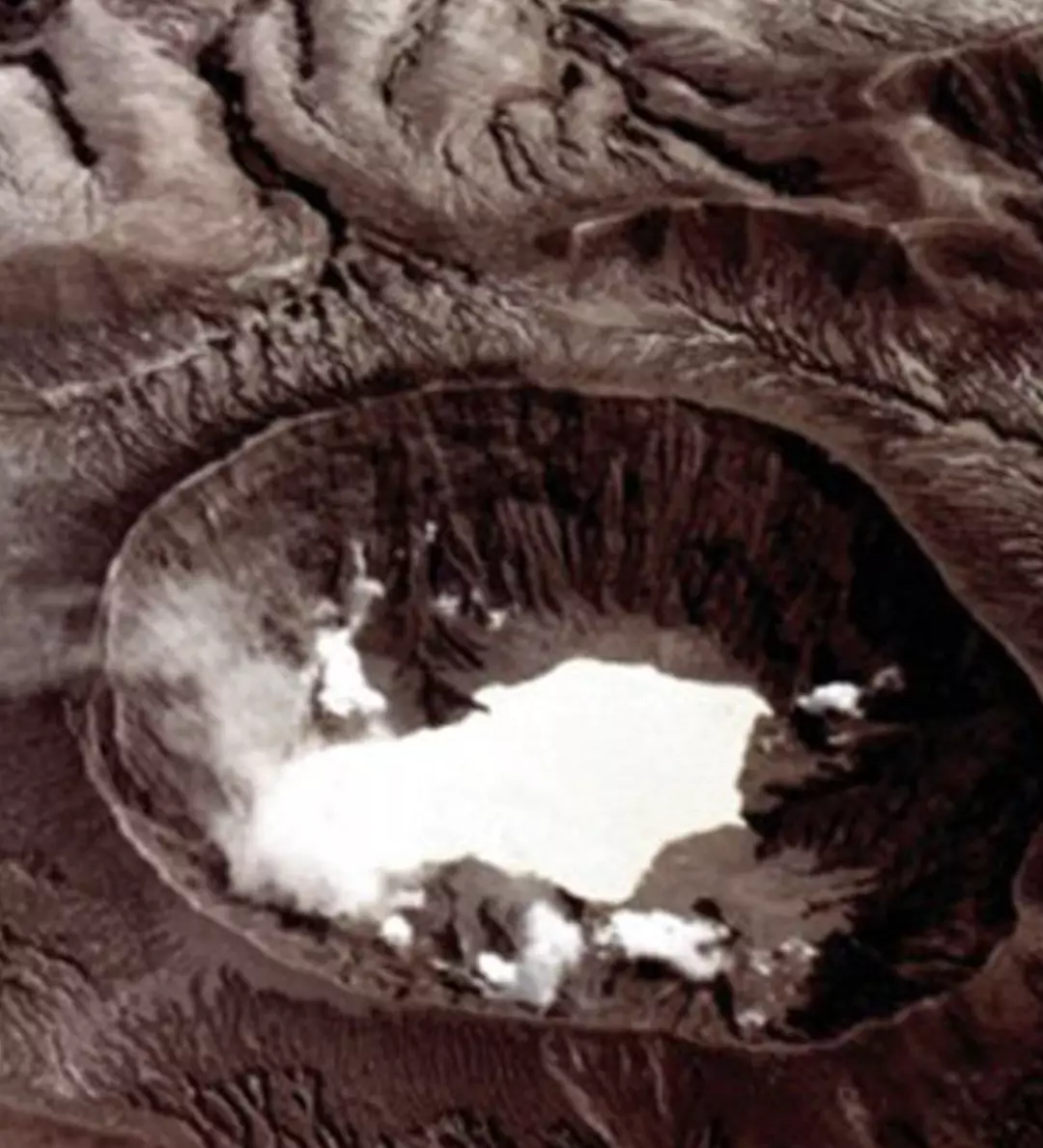
Though the last eruption was nearly four decades ago, ongoing internal changes within the volcano have prompted scientists to increase their surveillance, particularly after observations made from June to December 2025.
Any movement, even if considered ‘harmless’, necessitates vigilant monitoring due to the potential for severe consequences similar to those seen in previous eruptions.
Recent observations by the National Autonomous University of Mexico (UNAM) have identified several significant changes, such as a transformation in the color of the crater lake from green to grayish, suggesting possible shifts in sulfate and silica levels as well as rising temperatures.
There has also been a buildup of hydrogen sulfide and carbon dioxide near the crater. Although these gases don’t necessarily signal an imminent eruption and are common in hydrothermal systems, the increase has raised concerns, prompting closer scrutiny by experts.
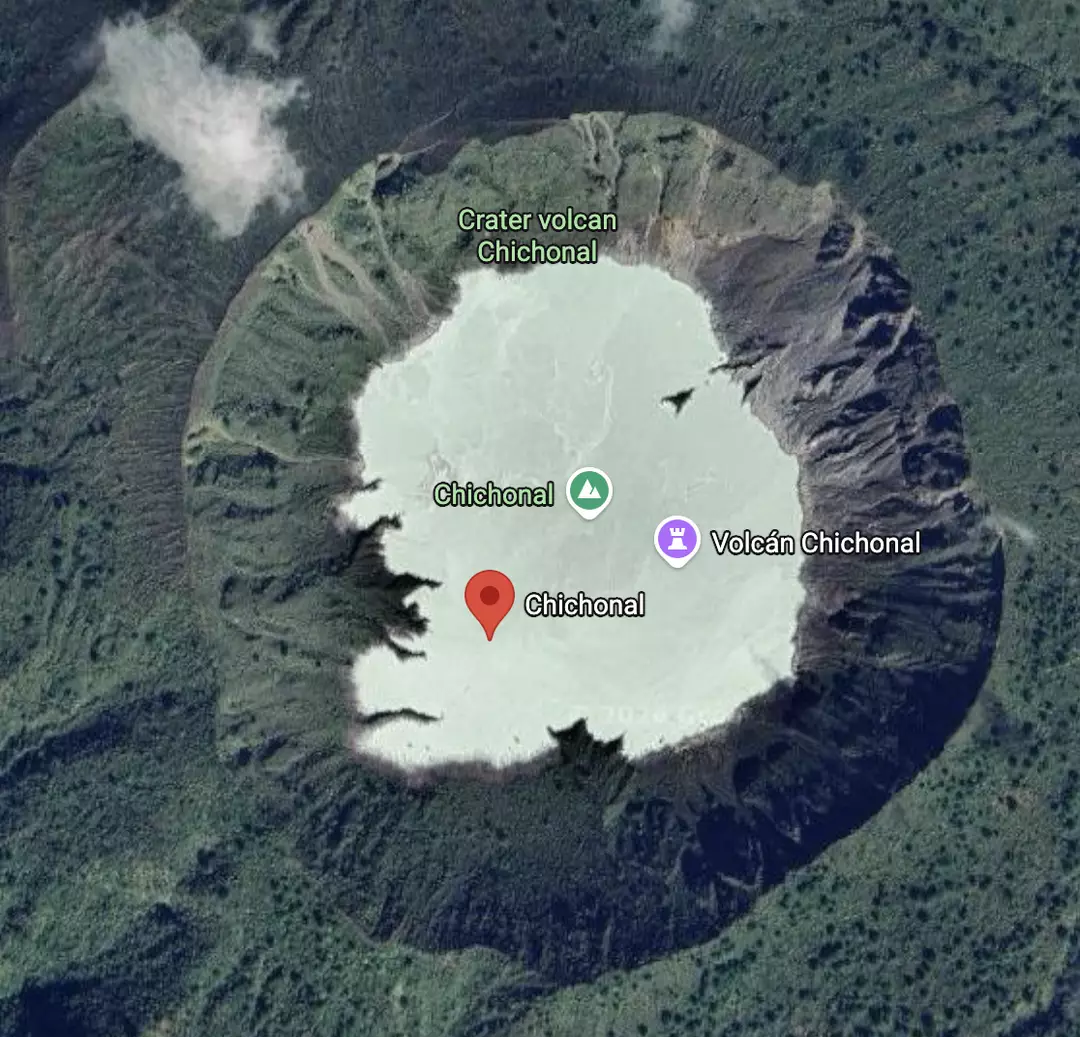
An unusual occurrence of sulfur spheres forming in liquid sulfur pools near the crater is also being closely monitored by scientists.
Volcanologist Dr. Patricia Jácome Paz from UNAM has reassured the public, indicating that the recent findings do not strongly suggest an impending eruption.
She explained that the current activity at the volcano is likely due to the interaction of superheated groundwater with hot rock rather than the presence of ‘fresh magma’.
In a UNAM report, it was stated that ‘Chiapas Civil Protection Secretariat maintains constant communication with local communities, including tour guides, to reinforce safety measures and disseminate clear and accessible information about volcanic hazards’.