


A new study has pointed to a possible contributor to Parkinson’s disease — and it’s something most people are exposed to in everyday life.
Parkinson’s is a neurological condition that primarily affects movement. It develops when brain cells responsible for producing dopamine are damaged or stop functioning as they should.
Early symptoms can include tremors, rigidity, and slowed movement, and the condition typically progresses over time.
While there is currently no cure, treatment and ongoing care can help manage symptoms and improve quality of life.
Doctors generally describe Parkinson’s in two broad categories: forms linked to genetics, and cases where there isn’t a single clear cause and multiple factors may be involved.
Researchers in China have now highlighted one environmental factor that could increase risk, following a large review of existing evidence.
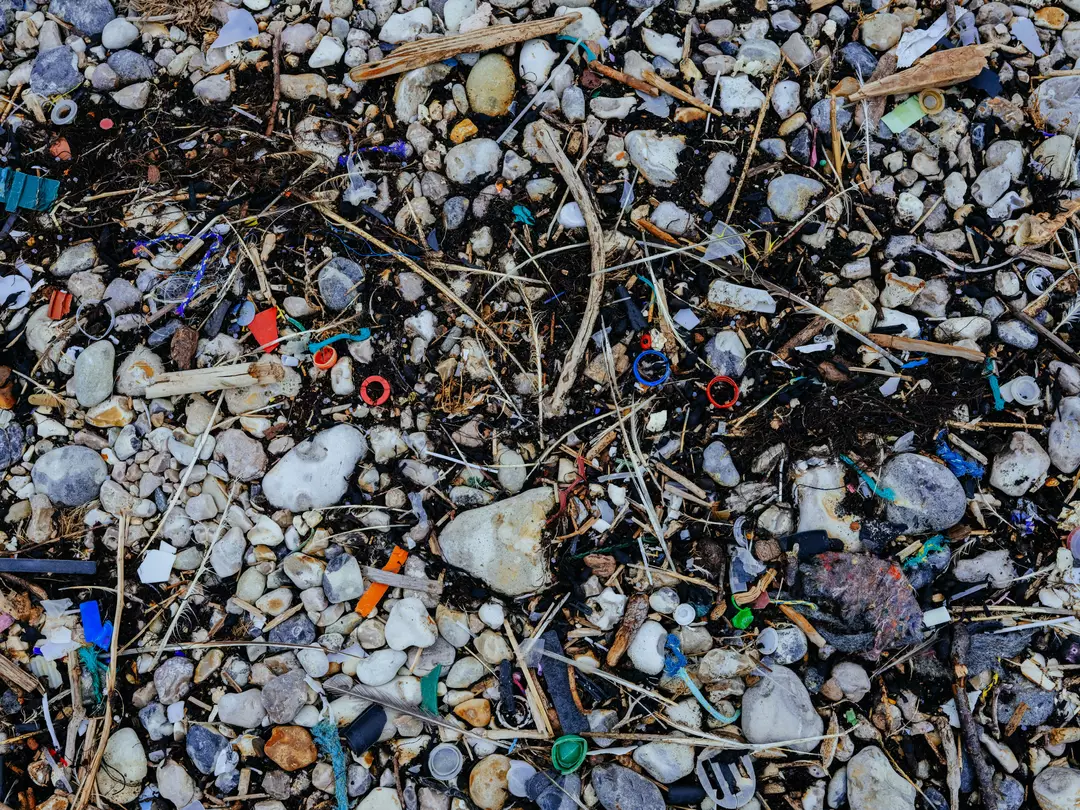
The concern is microplastics — tiny plastic particles that have spread throughout the environment, from oceans and soil to the air and, increasingly, the human body.
As plastic waste continues to accumulate and degrade, these fragments are turning up in more places, including components of the food chain.
The study said: “With the intensification of global plastic pollution, the potential threats posed by micro- and nanoplastics to human health have become a major concern.
“Microplastics] enter the organism through ingestion, inhalation, and skin contact, subsequently accumulating in multiple organs – particularly the brain.”
The researchers based their conclusions on a review of roughly 100 separate studies, bringing together findings from a wide body of published work.
According to the review, microplastics can enter the body through ingestion and may then build up in the brain.
Once there, the paper cautioned that exposure could contribute to the formation of toxic proteins — a process that has been linked with Parkinson’s disease.

The findings arrive as Parkinson’s diagnoses have climbed sharply, with reported cases more than doubling over the past 25 years.
Today, it’s estimated that around 8.9 million people worldwide are living with Parkinson’s, including actor Michael J Fox.
One of the biggest challenges with microplastics is that exposure is difficult to avoid, given how widespread plastic contamination has become.
Microplastics are created as larger plastic products break down in the environment, eventually becoming particles small enough to be consumed or inhaled without anyone noticing.
Some researchers have estimated that the average person in the US may ingest around five grams of microplastics per week.
That figure is often compared to around a spoonful, adding up to roughly 21 grams a month and about 125 grams over six months.
Microplastics are typically defined as plastic fragments smaller than five millimeters, while nanoplastics are far smaller — under one thousandth of a millimeter.