


Researchers say new influences may be affecting how quickly the Earth rotates.
Longer days aren’t just something people notice as the seasons shift toward warmer, brighter weather.
A team from the University of Vienna and ETH Zurich has been looking closely at measurements showing subtle changes in how long a day lasts on Earth.
It may sound counterintuitive, but scientists say the length of a day is increasing slightly—and the reason comes down to how the planet spins in space.
Day and night happen because Earth rotates on its axis, bringing different parts of the planet into sunlight and then away from it.
So why would that cycle be stretching out?
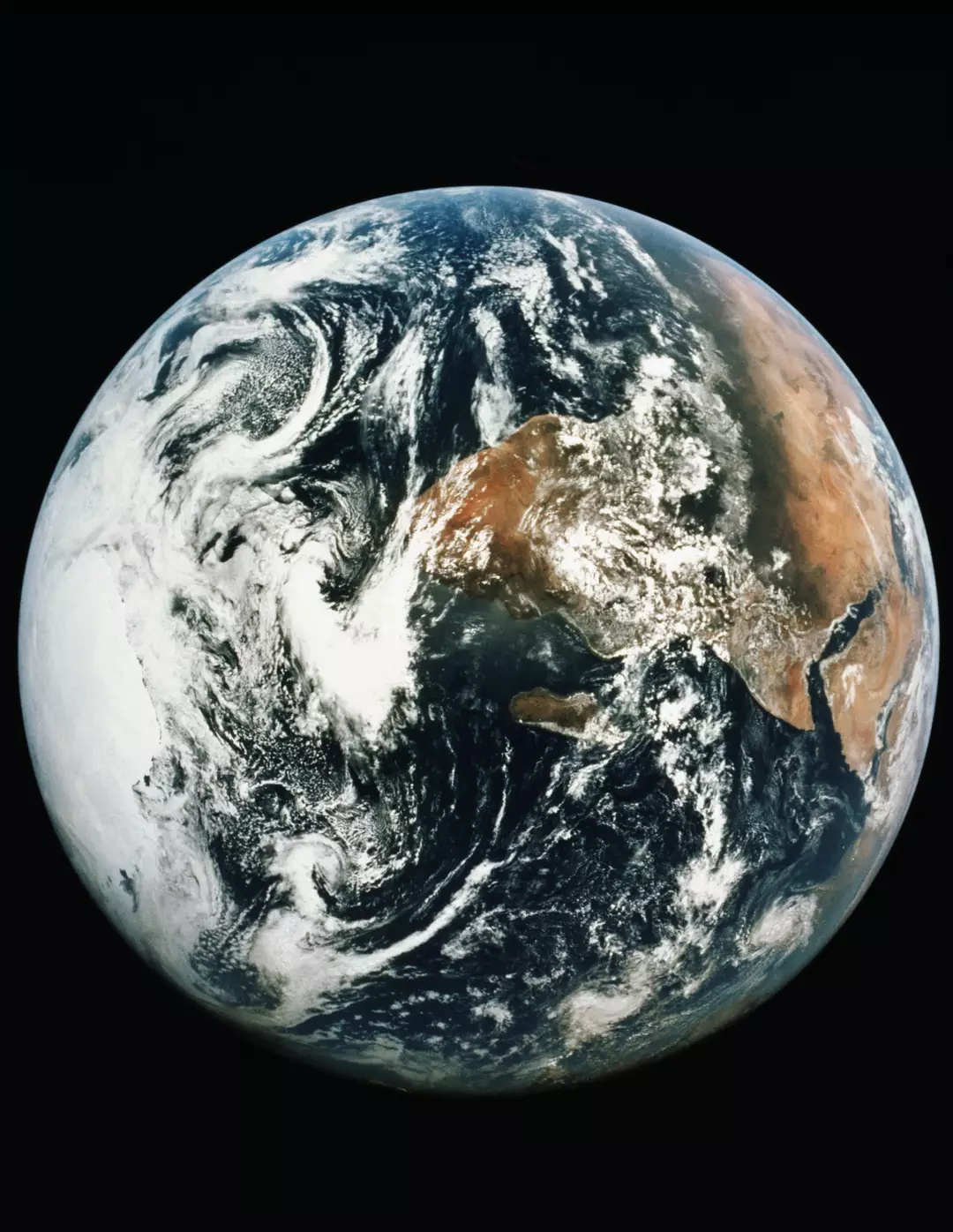
The short answer is that Earth’s rotation is slowing down, extremely gradually, over time.
That doesn’t mean anyone should expect to notice a difference any time soon—certainly not next week, or even in the coming years.
Even when described as happening at an “unprecedented” pace, the estimated change is still only about 1.33 milliseconds—and that’s on a century-by-century timescale, not annually.
Since it takes 1,000 milliseconds to make one second, it would take tens of thousands of years for the length of a day to increase by just a single second.
Still, the researchers suggest the current trend appears faster than what has been seen for roughly the past 3.6 million years.
Other research has also indicated that human-driven changes on Earth could be contributing to shifts in the planet’s rotation as well.
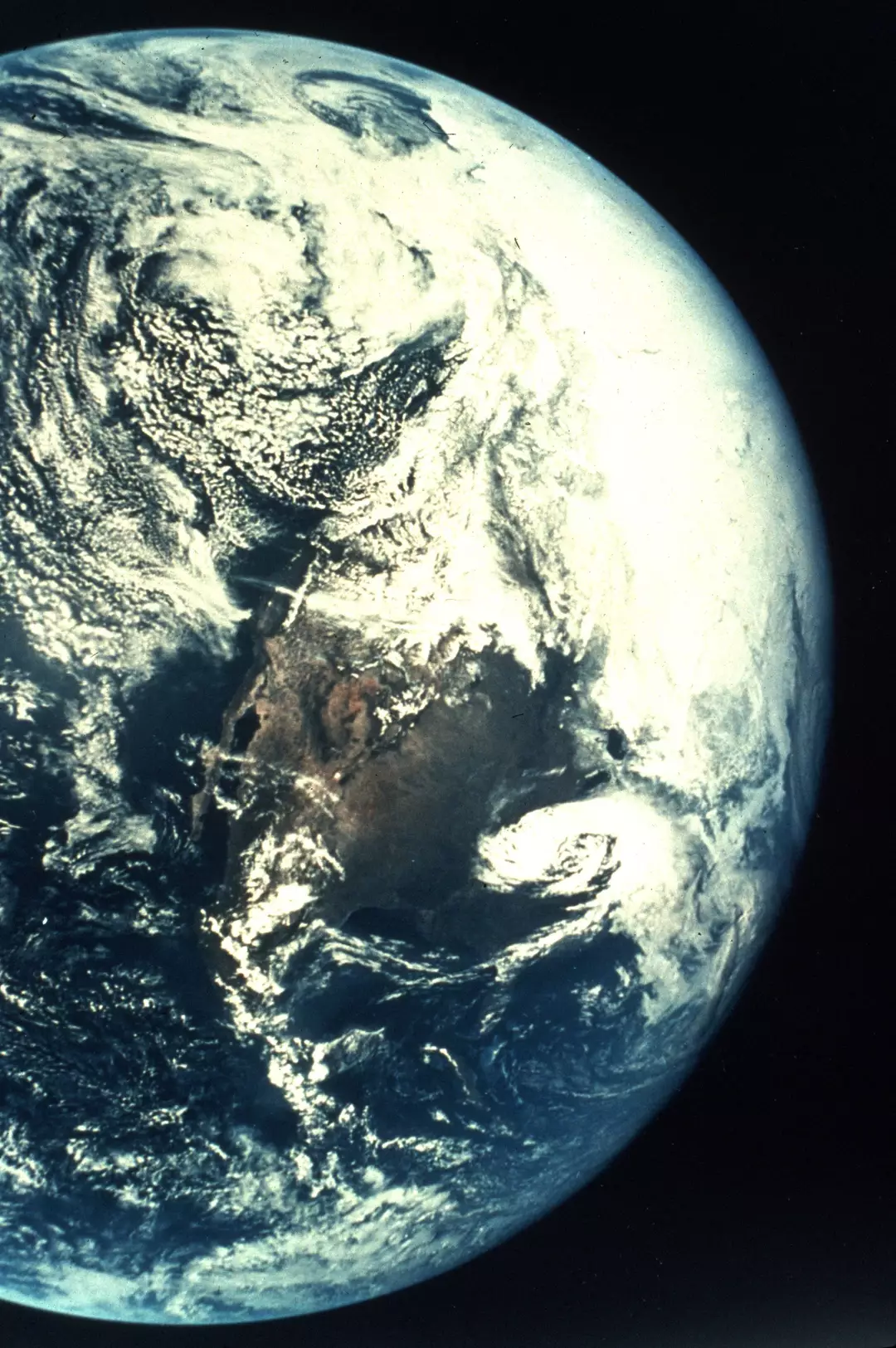
Co-author Professor Benedikt Soja is from the University of Vienna, and told the Daily Mail: “While natural cycles caused variations in the past, the current rate of change, due to human impact, is so rapid that it stands out in climate history.
“Only one time – around 2 million years ago – the rate of change in length of day was nearly comparable, but never before or after that has the planetary ‘figure skater’ raised her arms and sea–levels so quickly as in 2000 to 2020.”
While the shift is far too small to affect everyday life directly, it could still create complications in areas that depend on ultra-precise timing.
That’s because some technologies and instruments are sensitive enough that even tiny discrepancies can matter.
“Even though the changes are only milliseconds, they can disrupt systems that require extremely precise time keeping,” said Professor Soja.
“This includes space navigation, GPS and satellite navigation systems, and synchronisation of atomic clocks, which makes it so important to precisely monitor the Earth’s rotation.”