

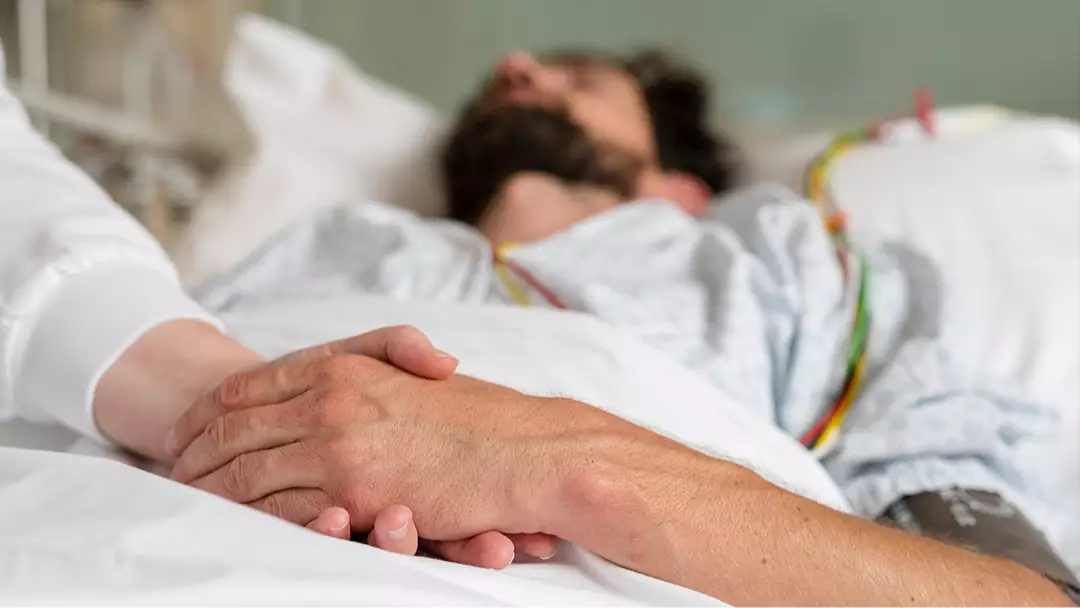
A revolutionary study has suggested that the human brain may experience ‘new dimensions of reality’ in the moments before death, while also revealing the potential last words a person might hear on their deathbed.
The mystery surrounding what occurs in the afterlife, especially concerning the physiological changes in the human body just before and shortly after death, continues to captivate researchers and the public alike.
Many individuals have shared their stories of seeing the afterlife, including one woman who ‘died for 32 seconds’ and subsequently issued a cautionary message to humanity.
Scientists are diligently conducting research to provide a scientific foundation for these anecdotal accounts.
Dr. Sam Parnia, who is the director of critical care and resuscitation research at NYU Langone School of Medicine in New York, has previously investigated what occurs in the brain post-mortem and spoken to those who have had near-death experiences.
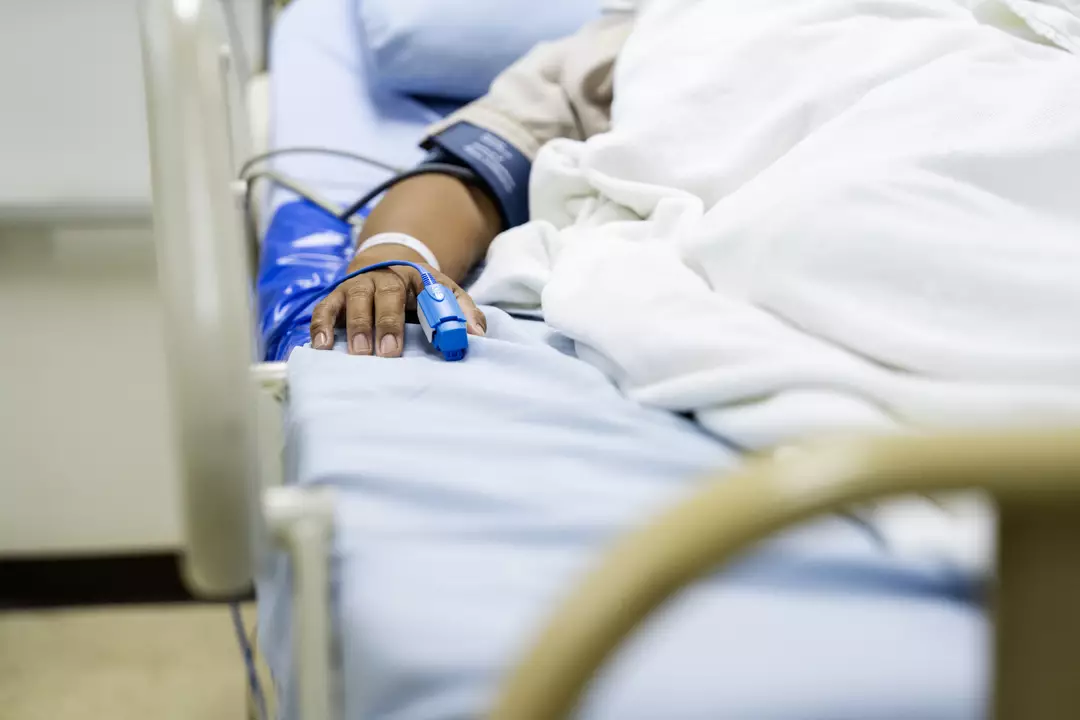
Parnia led a study in 2023 which found that the brain can ‘wake up’ even when medical staff are administering CPR after the heart has stopped.
Utilizing data from electroencephalograms (EEGs), researchers discovered that patients might hear conversations in the room, experiencing it similarly to a dream-like state.
“Although doctors have long thought that the brain suffers permanent damage about 10 minutes after the heart stops supplying it with oxygen, our work found that the brain can show signs of electrical recovery long into ongoing CPR,” Parnia explained.
The study also identified what patients might hear at the end of CPR.
Alarmingly, it is the doctor announcing the patient’s time of death before all consciousness fades away.
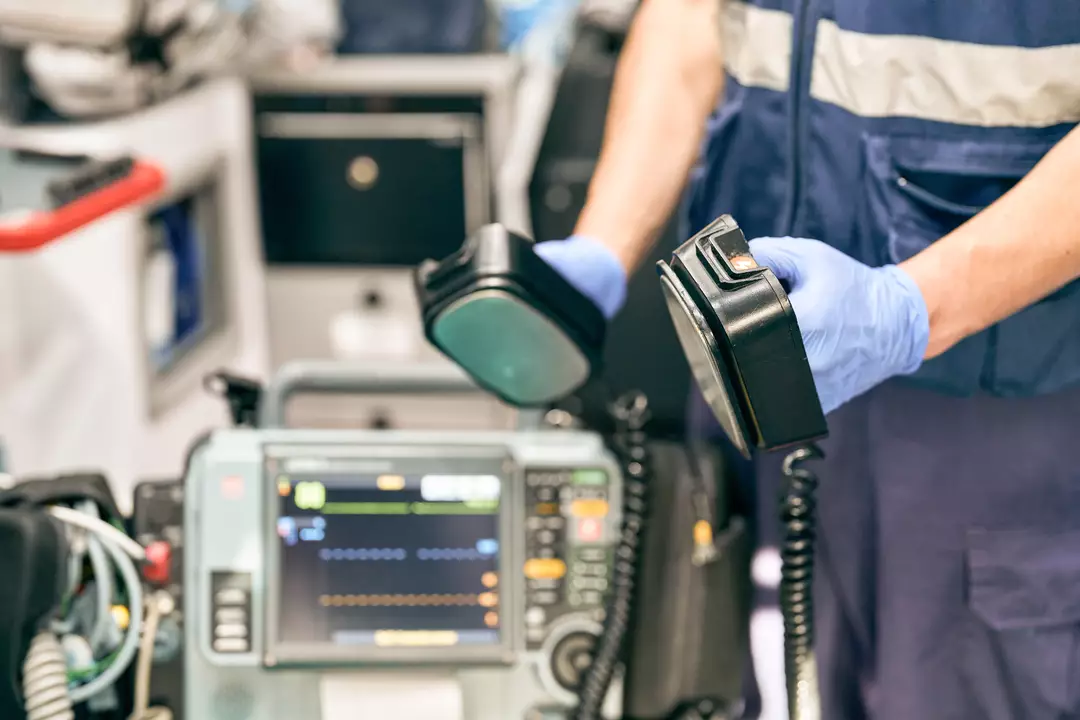
Researchers have also discussed ‘new dimensions of reality,’ where dying patients may recall various life memories, spanning from early childhood to moments before death.
Although many aspects of these findings remain enigmatic, scientists suggest they ‘open the door to a systematic exploration of what happens when a person dies’.
The team at NYU Langone School of Medicine also believes this research ‘may also guide the design of new ways to restart the heart or prevent brain injuries, and hold implications for transplantation’.
If you have experienced a bereavement and would like to speak with someone in confidence, contact GrieveWell at (734) 975-0238, or email [email protected].