


A biotech team believes future organ transplants and some medical research could rely on lab-grown, headless human bodies created specifically to provide organs—without consciousness.
Scientists at R3 Bio say they’re working toward reducing the need for animal testing in areas such as drug development and cosmetics by building non-sentient biological “bodies” designed to function as organ platforms.
The company says it’s developing what it describes as “complete organ systems” modeled on animals commonly used in laboratories, and has already demonstrated early progress with headless mice. The next step, according to the team, is to apply the approach to primates.
The central ethical claim behind the project is that these engineered bodies would not include a brain, meaning they would not have consciousness or the ability to experience pain. In that sense, R3 Bio argues they could offer a path to testing and organ sourcing that avoids many of the moral problems associated with using sentient beings—though the team pushes back on the “brainless” label.
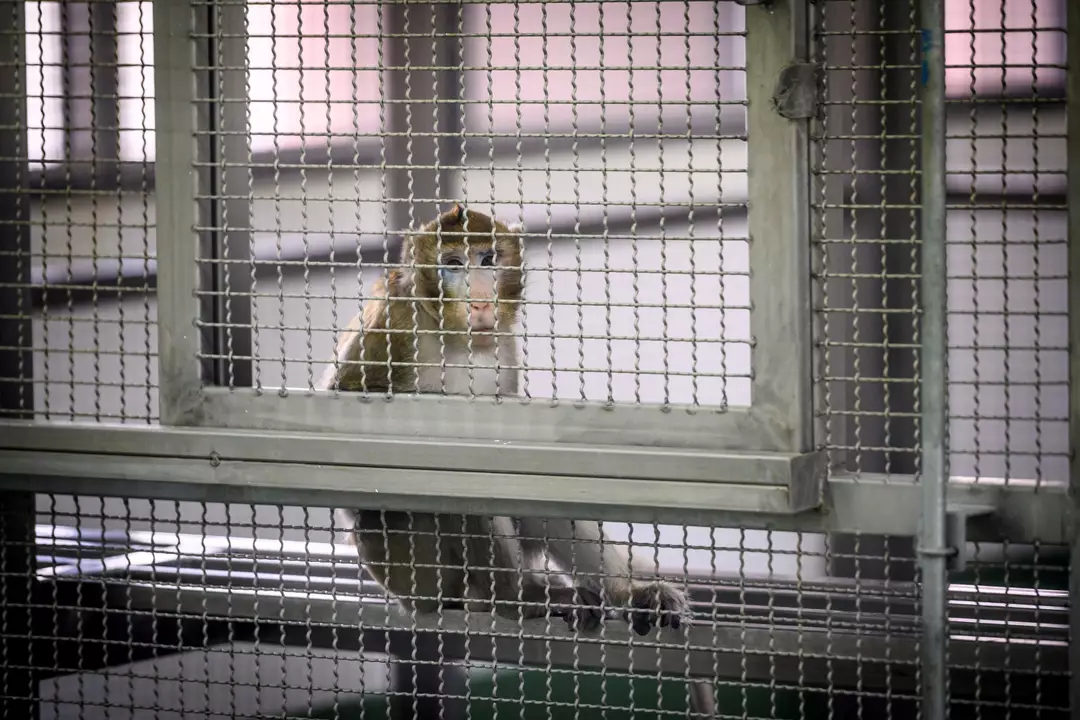
R3 CEO and co-founder Alice Gilman has said she dislikes the term often used to describe these creations, arguing that the absence of a brain is intentional rather than a defect. Even so, the company’s work has involved headless mice as part of its early-stage efforts.
Speaking to Wired, she said: “It’s not missing anything, because we design it to only have the things we want.”
Although the broader idea can sound like science fiction—especially with R3 Bio using the term “bodyoids” for these lab-made organisms—the project has attracted significant outside funding following early progress on mouse versions.
Investor Boyang Wang, CEO of the fund Immortal Dragons, framed the potential upside as a more direct route to treatment and longevity-related interventions.
He said: “We think replacement is probably better than repair when it comes to treating diseases or regulating the aging process in the human body.
“If we can create a non-sentient, headless bodyoid for a human being, that will be a great source of organs.”
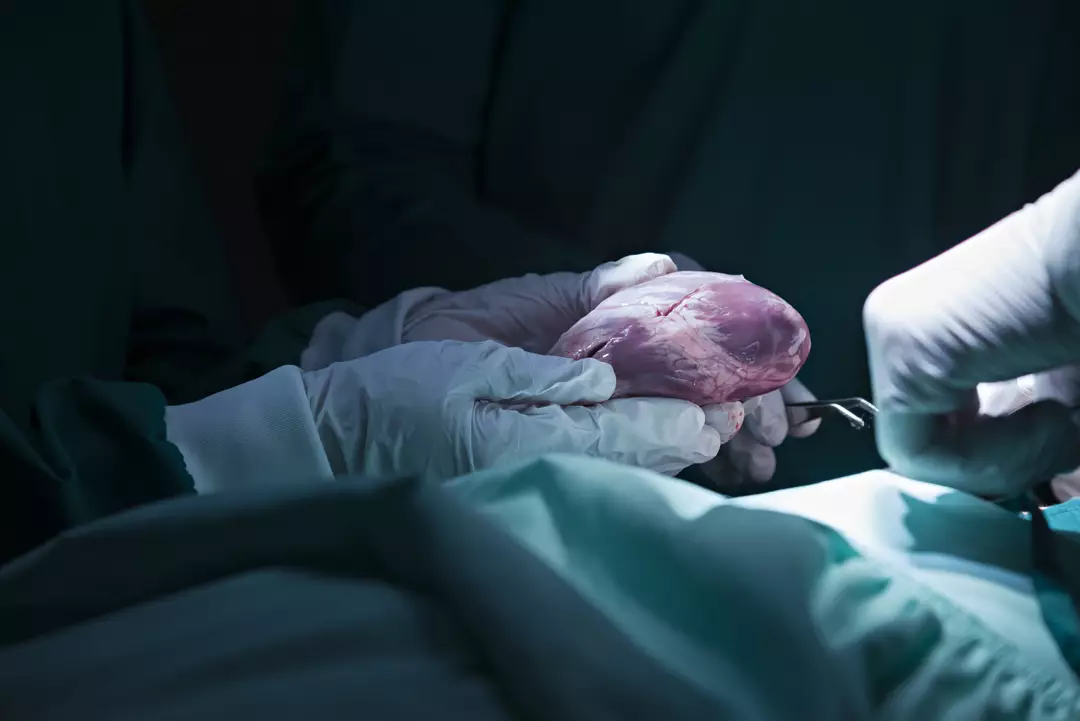
Gilman told wired that the company has built the systems intended to enable the creation of headless mice, but said the technology has not yet been implemented.
If those steps proceed as planned, R3 Bio says it wants to expand into primate models, with the stated aim of reducing the number of primates used in laboratories around the world.
Gilman argued that focusing on organ-only biological models could make research easier to expand and standardize compared with current approaches.
“The benefit of using models that are more ethical and are exclusively organ systems would be that testing can be meaningfully more scalable,” said Gilman. And this is true for the human bodyoids too.
Beyond organ donation, the team suggests the approach could also change how drugs are evaluated by reducing reliance on animals and instead testing experimental treatments on engineered human organ systems designed for that purpose.
Gilman wrote in a blog about the new technology: “The human body is not a collection of parts; it’s a system. We can’t keep studying diseases in pieces and hoping the results will scale.
“Whether we’re testing new drugs, mapping rare disorders, or training AI models, the biology we use needs to reflect the biology we live with.”
She added that for such models to become widely adopted, they would need coordinated investment and validation, writing: “That means funding it like a public good, validating it like a regulatory standard, and building it with the urgency of a moonshot.”