

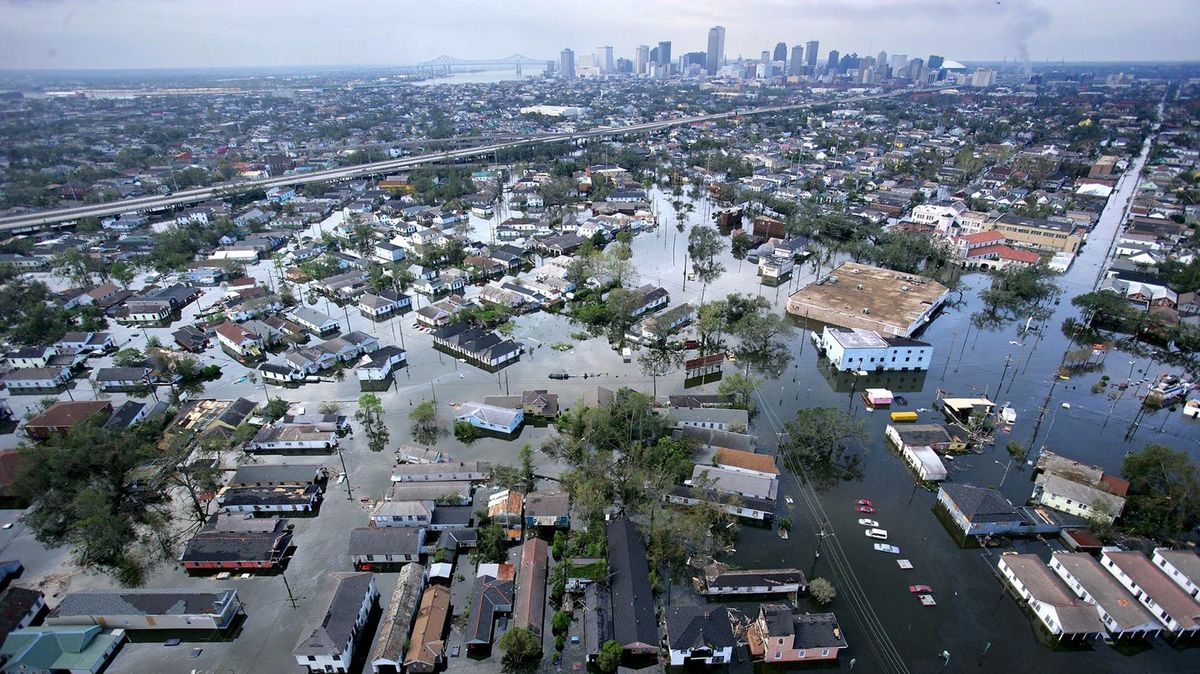
Millions of people living in New Orleans have been issued a stark warning as experts suggest there is a genuine possibility the city could end up underwater within the next 75 years.
The warning comes from the Bulletin of the Atomic Scientists — the group best known internationally for creating and maintaining the Doomsday Clock — which argues that “the process of relocating people from New Orleans should start immediately”. The concern isn’t limited to the US Northeast, either.
The caution follows a newly released scientific study published in Nature Sustainability, focused on long-term risks facing the wider New Orleans region in Louisiana.
New Orleans already has large areas sitting below sea level, and the city’s geography leaves it exposed. With the Gulf of Mexico and Lake Pontchartrain pressing in, the city is bordered on three sides, intensifying the danger as conditions worsen.
Alongside rising seas, increasing global temperatures, and stronger hurricanes, the Bulletin also points to human-driven changes to the landscape, warning the situation has been aggravated by a “coastline that has been carved apart by the oil and gas industry”.
The paper reports that southern Louisiana could see sea levels rise by between three and seven meters. It also projects the loss of 75 percent of remaining coastal wetlands, with the shoreline potentially shifting about 100 kilometers inland — making it the “most physically vulnerable coastal zone in the world”.
Researchers add that New Orleans and Baton Rouge could be left effectively isolated, putting two major metro areas — home to more than 2.2 million people — in a precarious position.
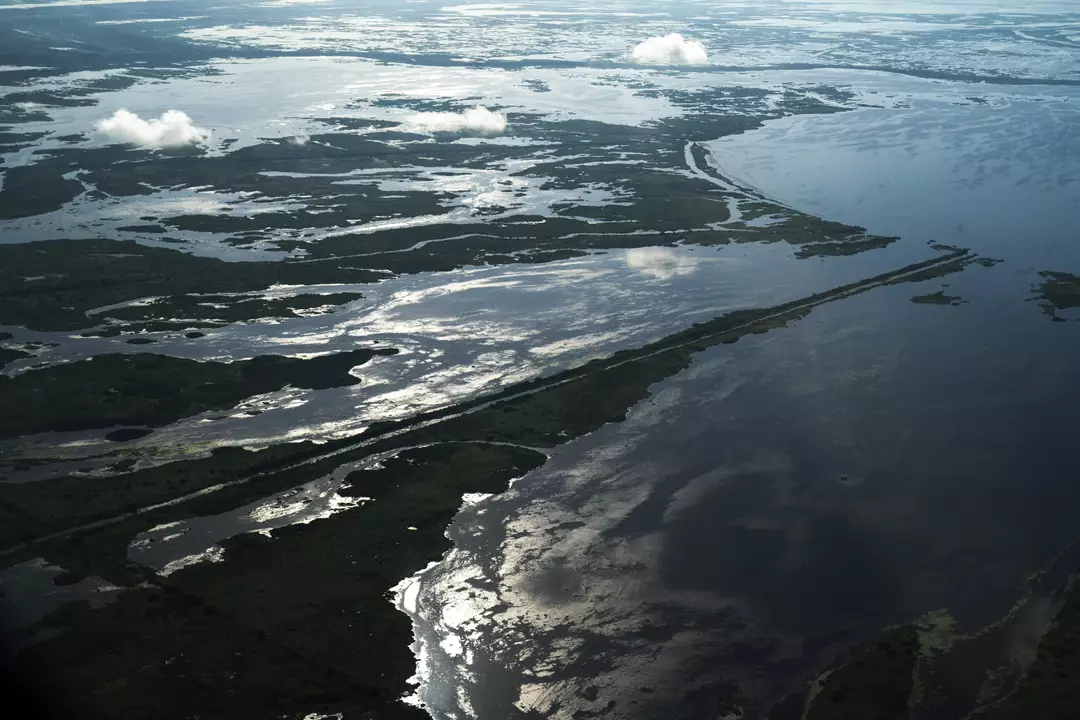
“In paleo-climate terms, New Orleans is gone; the question is how long it has,” said Jesse Keenan, a climate expert at Tulane University and one of the paper’s co-authors.
He said: “Even if you stopped climate change today, New Orleans’s days are still numbered.
It will be surrounded by open water, and you can’t keep an island situated below sea level afloat. There’s no amount of money that can do that.”
Because the city’s elevation varies significantly from neighborhood to neighborhood, flooding wouldn’t arrive uniformly. Instead, impacts would be uneven — with some areas experiencing far worse outcomes sooner than others.
A 2007 study from Tulane and Xavier University found that 51% of the urbanized parts of the Orleans, Jefferson, and St. Bernard parishes “lie at or above sea level”. Historically, the most densely populated areas were established on higher ground due to repeated flood risks.
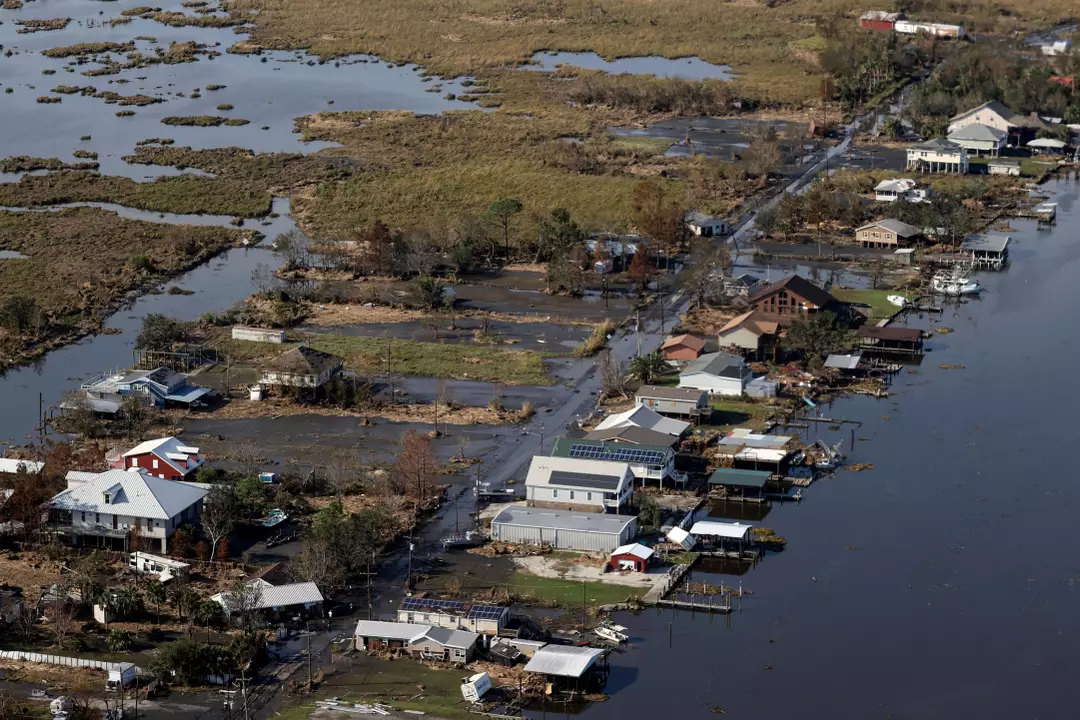
Currently, the city sits on average around one to two feet below sea level, though some places reportedly drop to as much as 20 feet below sea level — a reminder of how drastically the effects of future flooding could differ across New Orleans.
Despite the severity of the outlook, the authors argue there is still a window to plan. Keenan suggests this time could be used to build long-term resilience by investing in infrastructure farther inland.
He said: “This could be an opportunity for New Orleans to help migrate people further north, invest in long-term infrastructure and make that sustainable.
“That exodus has already begun, so if nothing is done, people will just trickle out over time and it will be an uncoordinated mess. The market will speak as people won’t be able to get insurance. Louisiana has to stop the bleeding and acknowledge this is happening. But at the moment there is no plan.”